The Day The Power Died On The Hottest Afternoon
I spent thousands of dollars on my home solar system, expecting it to run flawlessly all summer. But on a scorching 100-degree afternoon, my entire house suddenly went dark. I ran outside to check the solar inverter, and the metal box was so blazing hot that it burned my fingers. Nobody told me that extreme heat could force my expensive system to shut down completely. Let me show you how to keep your solar equipment cool so you never have to sit sweating in the dark like I did.
My 60-Second Solar Cooling Checklist
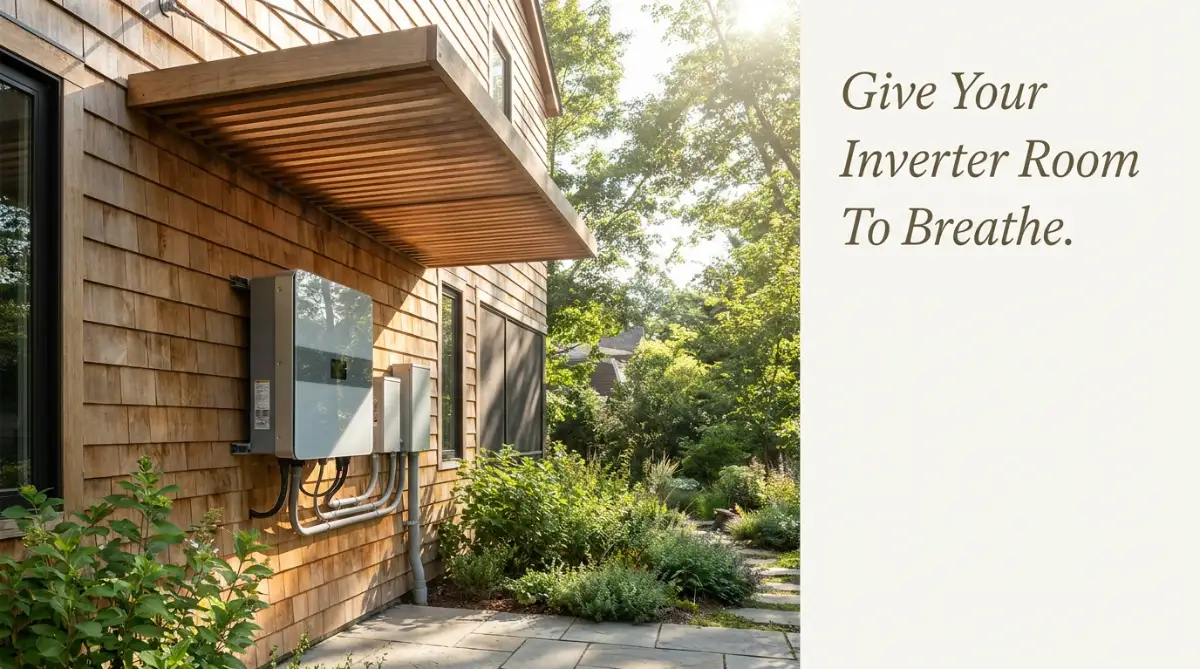
- Never build a tight wooden box around your solar inverter; it will bake to death.
- Clear away all tall weeds, vines, and outdoor storage boxes within 18 inches of the machine.
- Use a dry paintbrush once a month to sweep dust and spiderwebs off the cooling fins.
- Install a small shade canopy directly above the unit if it faces the harsh afternoon sun.
The Hidden Stress Of Unreliable Home Energy
Every single day, thousands of regular homeowners go through this exact same frustrating experience. We invest heavily in renewable energy to save money and protect our families from sudden power grid failures. But when your own system shuts down because it gets a little too warm, that entire sense of security vanishes instantly.
This creates a heavy, silent anxiety that sits in the back of your mind all summer long. You find yourself constantly walking outside just to stare nervously at your equipment. You worry about leaving the house for a weekend trip, terrified that a sudden heatwave will fry your entire electrical panel while you are gone.
It is incredibly unfair that everyday families are left to figure this out on their own. The companies that sell these systems often gloss over the maintenance side of things during their sales pitch. They show you beautiful charts of your future energy savings but skip the part about thermal management.
When your power drops unexpectedly, you risk losing hundreds of dollars in spoiled groceries when your refrigerator turns off. You also lose the peaceful comfort of your own home right when you need it the most. You truly deserve to feel one hundred percent confident that your expensive solar investment will actually work when the sun is shining its brightest.
Why Does The Magic Box Get So Hot Anyway?
To fix this annoying problem, we first need to understand what is actually happening inside that metal box on your wall. Your solar panels collect raw energy from the sun in the form of Direct Current (DC). However, your television, refrigerator, and lights all run on Alternating Current (AC).
The sole job of your inverter is to take that raw DC power and translate it into usable AC power. This conversion process takes a massive amount of hard work. Just like your body sweats when you run a long marathon, your equipment generates a huge amount of thermal heat when it works hard.
When the sun is at its brightest, your system is working at its absolute maximum capacity. It is pulling in tons of power and doing heavy mathematical conversions every single second. If that built-up heat has nowhere to escape, the internal temperature spikes to a dangerous level.
To prevent the delicate computer chips inside from literally melting, the machine simply goes into self-preservation mode and turns off. This is a built-in safety feature, but it obviously defeats the whole purpose of having a power system.
The Breathing Room Rule: Give It Some Space
The absolute best way to keep your equipment happy is to treat it like a living creature that needs plenty of fresh air. Many homeowners make the terrible mistake of trying to hide their equipment because they think it looks ugly. They will build tight wooden boxes around it or install it inside a crowded garage storage closet.
This is the fastest way to suffocate your system. Your inverter needs a constant flow of fresh air moving around all four sides of the device. This natural breeze pulls the heavy, hot air away from the metal casing and replaces it with cooler air.
If you pack boxes, garden tools, or thick bushes right up against the unit, you are essentially wrapping it in a thick winter blanket. The heat gets trapped in that tiny space and just keeps multiplying.
Go outside today and measure the space around your setup. The manufacturer manual usually asks for at least twelve to eighteen inches of totally empty clearance on every single side. If you have vines or weeds growing near it, grab some gardening shears and clear that area out immediately.
The Umbrella Method: Defeating Direct Sunlight
Here is a funny contradiction about solar power. While your panels on the roof absolutely love direct, harsh sunlight, your inverter hates it with a passion. If you mount the control box on a wall that faces the blazing afternoon sun, you are asking for serious trouble.
The dark metal casing will absorb all those hot sun rays, baking the delicate electronics inside before the machine even starts working. It is exactly like leaving your smartphone sitting on the dashboard of your car in the middle of July. It will overheat and shut down in a matter of minutes.
If your unit is already mounted in a highly sunny spot, you do not need to pay a professional to move it. You can simply build a small, inexpensive shade canopy right above it. A simple piece of treated wood or a small metal awning works perfectly.
Just make sure the canopy is mounted high enough so it does not block the upward flow of hot air. This one simple addition can drop the operating temperature of your equipment by fifteen degrees or more. It is a very cheap afternoon project that pays for itself immediately.
My $50 Shade Solution:
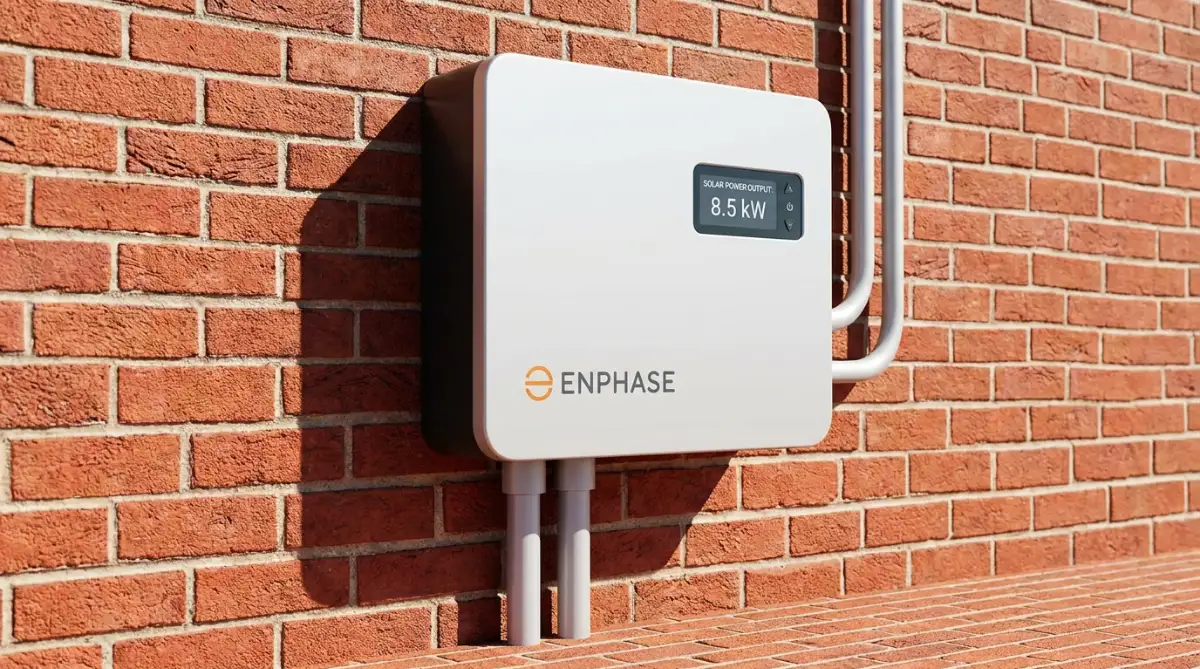
When my installer mounted my inverter on a south-facing wall, it baked in the sun all day. I bought a cheap metal awning online and bolted it to the brick wall just two feet above the unit. It immediately dropped the surface temperature of the inverter by nearly twenty degrees.
The Dust Blanket Effect: Why Cleaning Is Required
Even if your equipment is mounted in a nice, cool, shady spot, you still have an invisible enemy to worry about. Outdoor environments are filled with blowing dust, pollen, dirt, and spider webs. Over several months, all this natural debris gets sucked into the cooling vents of your machine.
Most heavy-duty inverters have large metal ridges on the back or top, which are called heat sinks. These ridges are designed to pull heat away from the internal circuit boards. When those ridges get clogged up with a thick layer of sticky dust, they completely lose their ability to cool the machine down.
You need to make cleaning those vents a regular part of your seasonal yard work routine. You do not need any fancy tools to do this safely. A simple dry brush, a clean microfiber cloth, or a gentle blast from a can of compressed air is all it takes.
My Personal Pro Tip: I used to ignore the back of my unit until it shut down again. Now, I keep a cheap, soft-bristled paintbrush right next to my electrical panel. Every time I take the trash cans out on a Sunday evening, I spend thirty seconds lightly brushing the dust off those cooling fins. Since I started this tiny habit, my system has never overheated once.
Never use a garden hose or wet towels to clean this area, as water and heavy electrical currents are a deadly combination. Just keep the vents clear so the machine can breathe easily.
Quick Maintenance Cheat Sheet:
Upgrading Your Airflow With Active Cooling
Sometimes, natural breezes and shade just are not enough to fight off a brutal heatwave. If you live in a location where summer temperatures regularly cross one hundred degrees, your system needs extra help. This is where active cooling comes into the picture.
Many larger units have built-in cooling fans that spin faster as the machine gets hotter. However, these tiny internal fans can easily break down or get jammed by heavy dirt over the years. You need to periodically stand next to your machine during peak sunlight hours and just listen.
If you do not hear a soft humming sound, or if the fan sounds like it is grinding and struggling, you have a mechanical problem. Replacing an internal fan is a very cheap fix compared to replacing the entire system.
If your model relies completely on passive cooling without any built-in fans, you can take matters into your own hands. You can easily install a small, heavy-duty external fan nearby. Pointing a basic outdoor-rated fan directly at the metal casing during the hottest three hours of the day works wonders.
Watch This Simple Trick In Action
If you want to see exactly how to set up the perfect airflow for your home system, check out this brilliant visual demonstration below.
Understanding Your Daily Power Load
Another big reason these machines overheat is because they are being pushed way past their limits. Every single electrical device in your house draws a specific amount of power. If you try to run your heavy machinery all at the exact same time, you are putting massive stress on your solar setup.
Imagine running your central air conditioning, your electric oven, your pool pump, and your heavy-duty clothes dryer all at two o'clock in the afternoon. The system has to process an enormous amount of energy in a very short window. This aggressive power demand forces the temperature inside the machine to skyrocket.
You can easily prevent this by spreading your heavy energy chores throughout the day. Run your dishwasher late at night or early in the morning when the outside temperature is nice and cool.
Tell your family to stagger their use of big appliances. This simple change in your daily habits takes a massive burden off your equipment. It allows the machine to process energy at a smooth, steady pace instead of sprinting at full speed and overheating.
The Power Of Smart Temperature Monitoring
We live in an amazing time where technology can actually warn us before a disaster happens. Most modern solar setups come with a dedicated smartphone app that tracks your daily energy production. But many people do not realize these apps also track the internal health of the machine.
You can dig into the settings menu of your app and find the specific thermal temperature reading. Even better, you can usually set up custom push notifications for your phone.
You can tell the app to send you a text message if the inverter temperature ever crosses a dangerous threshold. This gives you plenty of time to walk outside and turn on an external cooling fan before the system completely shuts down.
Being proactive with these digital tools puts you totally in control of your home power grid. You no longer have to guess if the machine is struggling on a hot day. You can see the exact data right on your screen and take action immediately.
Knowing When To Call In The Big Guns
There are times when all the shade, cleaning, and fans in the world will not solve the problem. If your equipment is constantly overheating despite having perfect airflow, you might have a deeper electrical issue.
Internal wiring can become loose over time, causing small arcs of electricity that generate extreme amounts of heat. A specific circuit board inside the casing might be slowly failing. These are highly dangerous situations that you should never try to fix by yourself.
Opening the main casing of an active inverter is incredibly dangerous and can easily cause a fatal shock. If you have tried the basic external maintenance steps and the box is still acting up, it is time to swallow your pride.
You need to call the original installation company or a certified solar technician to run a deep diagnostic test. They have the special tools required to safely test the internal components and find the hidden root cause of the thermal spike. Spending a little money on a professional service call is always better than letting your expensive equipment melt away.
Expert-Level Strategies To Protect Your Solar Investment
Taking basic care of your equipment is a great start, but true peace of mind requires a deeper understanding of your energy setup. If you want to keep your machine running perfectly for over a decade, you need to think like a professional solar technician. Let us explore some advanced strategies that go far beyond just sweeping away the dust.
First, you need to look at the actual software running your machine. Just like your computer or smartphone, your home solar setup relies on digital firmware to control its internal parts. Manufacturers frequently release software updates that optimize how the internal cooling fans operate under heavy stress.
If your software is outdated, the fans might not turn on when they are supposed to. Call your installer and ask them to push the latest firmware update to your system. This simple digital refresh can instantly solve unexplained thermal issues without touching a single wire.
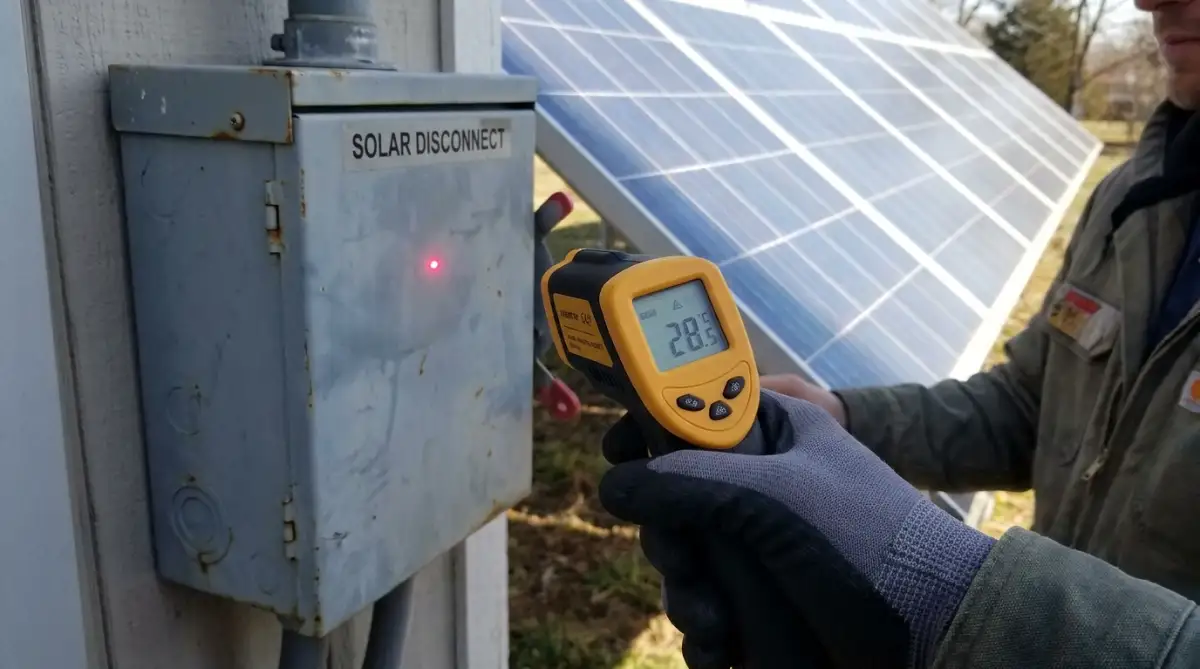
Another incredible tool you can use is a cheap infrared temperature gun from your local hardware store. Instead of guessing if your machine is getting too hot, you can simply point the laser at the metal casing. This allows you to check the exact temperature of different spots on the equipment in real-time.
You also need to seriously evaluate your total panel-to-inverter ratio. Many aggressive sales companies will install way too many solar panels for a single inverter to handle. They do this to maximize energy production, but it puts enormous thermal stress on the main control unit.
When your panels send more power than the machine can process, the equipment experiences something called "clipping." The excess energy is turned directly into pure heat inside the box. You can read up on the science behind inverter power clipping and thermal limits from the National Renewable Energy Laboratory to understand exactly how this process works.
If your installer severely oversized your roof panels, your system will constantly struggle during bright summer afternoons. You might need to have a technician come out and install a second, smaller inverter to share the heavy daily workload. Sharing the energy load keeps both machines running cool and significantly extends their lifespan.
Finally, consider the actual environment directly beneath your mounting wall. Asphalt driveways and concrete patios act like massive heat sponges during the day. They absorb the sunshine and radiate heavy waves of hot air straight up into the bottom of your equipment.
If possible, plant low-lying, heat-absorbing ground cover like grass or small succulents directly beneath the installation area. Natural greenery absorbs sunlight without radiating heat back into the air. This tiny landscaping adjustment can easily drop the ambient air temperature around your machine by several degrees.
Dangerous Traps That Will Destroy Your Equipment
When everyday people try to solve thermal problems without doing proper research, they often end up causing permanent damage. Let us walk through the most destructive mistakes homeowners make when trying to cool down their systems. Avoiding these traps will save you thousands of dollars in replacement costs.
The most common and expensive mistake is building a DIY wooden or plastic enclosure to hide the "ugly" equipment. Homeowners will construct tight wooden cabinets around the machinery to make their exterior walls look prettier. This is an absolute disaster waiting to happen.
By trapping the machine in a sealed box, you are creating a tiny, super-heated oven. The internal heat cannot escape, and the system will literally bake itself to death within a few days. These kinds of silent DIY solar project mistakes can actually void your manufacturer warranty completely.
If the overheated machine actually catches fire inside that wooden box, your home insurance provider will likely deny your claim. They will clearly see that you blocked the required ventilation ports against the direct advice of the installation manual. Never prioritize the aesthetic look of your house over basic electrical safety.
Another terrifying mistake is the "water cooling" myth. I have actually seen people grab a garden hose and spray cold water directly onto their hot equipment on a sunny afternoon. They assume it works exactly like splashing cold water on your face after a heavy workout.
Spraying pressurized water onto an active high-voltage electrical box is incredibly dangerous. Even if the casing is weather-resistant, sudden temperature changes can cause the internal metal components to crack instantly. Water can easily seep into the digital boards, causing a massive short circuit or a highly dangerous electrical fire.
If you want to read more about safely interacting with outdoor residential power equipment, the Department of Energy offers strict safety guidelines you should follow. Their experts heavily advise against using any liquid cleaning methods on active grid-tied systems.
You also need to be mindful of where you place other heavy outdoor appliances. Many people accidentally install their heavy-duty air conditioning condenser unit right next to their solar controls. The A/C unit blows massive amounts of exhausting hot air directly onto the solar equipment all day long.
This creates a brutal cross-fire of heat that your system simply cannot handle. If you have a BBQ grill, an outdoor pizza oven, or a pool heater, keep them far away from your energy mounting wall. Your power setup needs clean, undisturbed, and cool airflow to function safely.
Finally, ignoring the digital warning signs on your smartphone app is a massive failure. When your system sends you a push notification about a thermal spike, you cannot just swipe it away and ignore it. Chronic overheating slowly destroys the internal capacitors, very similar to the overlooked habits that ruin your smartphone battery over time.
Never ignore a red flashing light on the physical box or a warning email from your provider. These machines are designed to tell you exactly when they are hurting. Listening to those warnings immediately is the only way to prevent a total system failure.
Actionable Steps For Uninterrupted Home Power
We have covered a massive amount of technical ground today, but you now have the exact blueprint to protect your home. You no longer have to cross your fingers and just hope your system survives the next heavy summer heatwave. You are now fully equipped to take control of your own energy grid.
Your first assignment for this weekend is incredibly simple. Walk outside, look at your mounting wall, and honestly evaluate the airflow situation. Clear away those overgrown bushes, sweep the dust off the top cooling fins, and make sure there is plenty of room to breathe.
If your equipment is baking in the direct afternoon sun, start planning a small shade canopy project immediately. For more detailed industry standards on how these setups should ideally look, you can review the best practices from the Solar Energy Industries Association. Understanding the professional standard helps you spot clear mistakes in your own backyard.
You should also open your monitoring app tonight and explore the detailed settings menu. Find the section that shows your daily thermal temperature logs. If you notice the numbers spiking dangerously high every single afternoon, you know exactly when to turn on your external cooling fans.
Do not let a minor technical glitch turn into a terrifying electrical hazard. If you ever feel like the situation is out of your control, please call a certified technician immediately. The small cost of a professional inspection is nothing compared to the safety of your home and family.
My Personal Action Plan: I used to have terrible anxiety every time the summer temperatures spiked. After I built a simple wooden shade awning and set up temperature alerts on my phone, my stress completely disappeared. I now sleep perfectly well at night, knowing I took the right steps to protect my expensive investment and keep my house cool.
Your energy independence is a wonderful thing, but it requires a tiny bit of active participation. Start applying these smart cooling strategies right now. You will enjoy years of smooth, uninterrupted, and perfectly safe electricity for your entire family.
Common Questions About Managing Solar System Heat
What exactly happens when a solar inverter gets too hot?
When the internal temperature crosses the maximum safety limit, the machine protects itself by completely shutting down. It will automatically stop converting DC power from your roof into usable AC power for your house. This thermal shutdown leaves you without any solar energy until the unit cools off and resets itself.
Can I build a custom box to hide my outdoor solar equipment?
No, you should never enclose your electrical equipment in a tight box just to hide it from view. These machines require constant, heavy airflow on all four sides to push the heat away from the metal casing. Enclosing them acts like an oven, trapping the hot air and causing a rapid system failure.
Does the temperature of the inverter actually lower my panel efficiency?
Yes, extreme heat forces your main control unit to reduce its power output, an industry process known as derating. Even if your roof panels are producing maximum energy, an overheated inverter cannot process that heavy load. It will throttle your energy production down, meaning you lose out on free electricity.
How hot is too hot for my specific solar system?
Most modern residential systems are designed to operate safely in ambient temperatures up to one hundred and forty degrees Fahrenheit. However, if the internal digital chips stay close to that limit for too long, their lifespan drops heavily. You should always aim to keep the unit in the shade to maintain a much lower, healthier temperature.
Should I turn my entire system off during a massive summer heatwave?
You generally do not need to manually turn off the machine during a heatwave. If the equipment is properly shaded and has great ventilation, it will manage its own temperature safely. If it does get too hot, its internal safety switch will do the job of shutting it down automatically to prevent a fire.
Disclaimer: The information provided in this article is for general educational and informational purposes only and does not constitute professional electrical or engineering advice. Solar equipment involves dangerous high-voltage components that can cause severe injury or property damage. Always consult with a licensed, certified solar installer or qualified electrician before modifying, cleaning, or handling your home energy system.