Moving in with a close friend sounds like endless fun until unpaid utility bills pile up on the counter and their partner practically moves in rent-free. Shaking hands over a casual dinner is never enough to protect your credit score or your sanity when the landlord demands full rent on the first of the month. In this guide, I will show you how to draft a simple, airtight roommate agreement that locks in fair bill splits, sets clear house rules, and keeps your friendship alive for the entire lease.
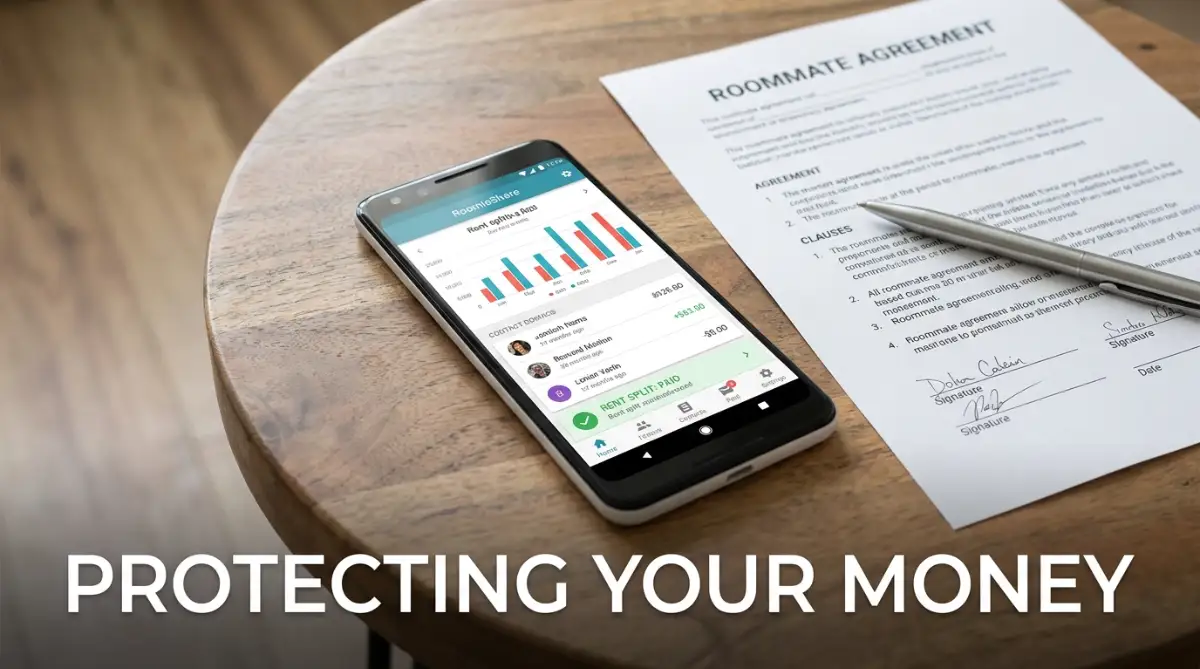
📌 What You Must Put in Writing Before Moving In:
- Math beats handshakes: Never do a blind 50/50 rent split if one bedroom has a private bath or dedicated parking; adjust the percentages to match room perks.
- Distribute utility names: Never let one single roommate carry the electric, water, and internet bills under their Social Security number alone—spread the legal accounts evenly.
- Set a guest curfew: Establish a hard limit on overnight stays (such as 3 nights maximum per week) before a romantic partner is required to help pay utility bills.
- Have an early move-out escape hatch: Mandate a 30-day written notice and require departing housemates to cover their share of the rent until an approved replacement signs on.
Why Handshakes Will Always Fail You
To understand exactly why you need a physical contract, we have to look at how human memory actually works under stress. When you sit down to talk about apartment rules with a new person, everybody is trying to be incredibly polite.
You both casually agree to keep the place clean and pay the bills on time. But human beings have wildly different definitions of what the word "clean" actually means.
To you, a clean kitchen means no dishes left in the sink overnight. To your new roommate, a clean kitchen might just mean taking the trash out once a week.
When these silent expectations clash, the arguments explode. If you do not have a written document to point to, every single disagreement turns into an emotionally exhausting shouting match.
A written roommate rental agreement acts as a completely emotionless referee. It removes the personal attacks and forces both of you to stick to the exact logic you agreed upon when you first moved in. Let us break down the absolute most critical sections you must include to build a bulletproof living arrangement.

Defining the Financial Boundaries
The absolute first thing you must attack in your agreement is the math. Money is the number one reason friendships are completely destroyed in shared apartments.
You cannot simply write down that you will "split the rent." You need to be aggressively specific about the numbers.
Write down the exact total amount of the monthly rent and exactly how much each person is responsible for paying. If one person took the master bedroom with the private bathroom, they should mathematically be paying a higher percentage of the rent.
📐 The Fair-Share Rent Split Formula (Real $2,400/Month Example)
My Rule of Thumb: Never do a lazy 50/50 split if one bedroom has an attached en-suite bathroom or a dedicated garage parking space. Calculate the square footage and amenity perks on move-in day so nobody harbors silent resentment over paying the exact same rent for a smaller room.
You must also clearly define exactly how the money will be transferred to the landlord. Will one person collect the cash and write a single check? Or will the landlord accept two separate digital payments?
If one person is in charge of collecting the money, you must set a strict internal deadline. For example, if the rent is due to the landlord on the first of the month, the agreement should state that all roommate transfers must be completed by the twenty-eighth of the previous month.
This simple three-day buffer completely eliminates the panic of waiting for a slow bank transfer to clear on the morning the rent is actually due.
🎬 Video Guide: The 11 Essentials for Your Roommate Contract
Writing down house rules can feel a little awkward with a friend, but it is the best way to prevent bitter arguments over rent day and dirty dishes. Before anyone unpacks a single box, watch this practical breakdown from the leasing experts at Apartment Guide. They highlight the eleven must-have clauses that keep shared apartments peaceful and protect your security deposit:
The Utility and Shared Expense Trap
Rent is usually a fixed number, which makes it easy to split. But utilities like electricity, water, gas, and high-speed internet fluctuate every single month.
Many roommates fall into a terrible trap where one person puts all the utility bills under their own personal name and social security number. If the other roommate refuses to pay their half, the person whose name is on the account is the one who gets their credit score ruined by collections.
Your written agreement must state exactly whose name is on which bill, and exactly how the costs will be divided.
I used to just guess what half the electric bill was and text my roommate a rough number. This led to massive arguments when the air conditioning bill spiked in the summer. I realized that keeping secrets about money was ruining our trust. From then on, our agreement stated that the person holding the account must pin the physical paper bill to the fridge or send a screenshot of the digital invoice to a group chat immediately. Total transparency completely killed the arguments.
You should also address shared household supplies. Who is buying the toilet paper, the dish soap, and the trash bags?
You can either agree to take alternating turns buying these specific items, or you can create a shared digital kitty where each person deposits twenty dollars a month specifically for cleaning supplies. Putting this tiny detail in writing saves you from a massive explosion of anger over an empty roll of paper towels.
Establishing the Guest Policy
If money is the first reason roommates fight, unexpected guests are absolutely the second. You are paying a lot of money for a safe, quiet place to sleep and recharge after work.
If you come home to find a stranger sleeping on your couch for the fourth night in a row, you are going to feel incredibly violated in your own home.
Your rental agreement needs a strict, clear section entirely dedicated to visitors and overnight guests. You need to establish a hard limit on how many nights a week a guest is allowed to stay over.
Most successful agreements state that any guest staying more than three consecutive nights requires explicit, verbal permission from the other roommates. You should also heavily clarify the rules regarding romantic partners.
If your roommate's boyfriend basically moves in and starts showering there every single morning, he is actively using the water and electricity that you are paying for. The agreement should clearly state that if a significant other spends more than fifteen days a month in the apartment, they are officially required to start contributing to the utility bills.
🚪 The 3-Tier Overnight Guest Rule (Keep It in Writing)
Avoid awkward hallway arguments by enforcing these three specific thresholds for romantic partners and visitors:
- Tier 1 (1 to 3 Nights a Week): Standard casual guest. No heads-up or permission needed as long as common spaces stay clear.
- Tier 2 (4 to 7 Consecutive Nights): Extended visitor. Requires a 24-hour advance text message and mutual approval from all roommates.
- Tier 3 (15+ Nights in a Calendar Month): Unofficial resident. The partner must formally chip in 25% toward water, power, and household supplies, or reduce their overnight stays immediately.
The Pets and Damages Protocol
People love their animals, but animals are highly unpredictable. If you are moving into an apartment that allows pets, you must address the potential for massive physical damage right out of the gate.
If your roommate brings a brand-new puppy into the apartment, and that puppy completely destroys the expensive living room carpet, who pays the landlord for the damage?
Do not rely on the standard security deposit to cover this. Your agreement must clearly state that the specific owner of the pet is one hundred percent financially responsible for any cleaning, repair, or replacement costs caused by their animal.
This rule also applies to general human clumsiness. If you have a party and your specific guest punches a hole in the hallway drywall, you are the one paying for the patch and the paint.
Writing this down forces everyone to take personal responsibility for the people and the animals they invite into the shared space.
The Cleaning Schedule Reality Check
We touched on this briefly, but it deserves a massive focus in your document. You cannot just agree to "keep things clean." You have to define the exact standard of cleanliness you both expect to live with.
A great roommate agreement breaks the apartment down into specific zones, like the kitchen, the living room, and the shared bathroom.
Create a clear, rotating schedule for the heavy chores. Who is taking the trash out to the dumpster this week? Who is scrubbing the shower tub on Sunday?
You should also implement a strict "twenty-four-hour rule" for the kitchen sink. This rule simply states that no dirty dishes are allowed to sit in the sink for longer than one full day.
If you cook a massive meal, you are responsible for washing your own pots and pans before you go to sleep. This single, written rule prevents the kitchen from turning into a smelly, unusable disaster zone.
If nobody in the apartment wants to scrub the floors, your agreement can actually include a clause to hire a professional cleaner once a month, with the cost split perfectly down the middle. Sometimes throwing a little bit of money at a problem is the easiest way to protect your friendship and your sanity.
Handling the Quiet Hours
Everyone has a completely different internal biological clock. You might be a morning person who loves to wake up at five and blend a noisy protein smoothie before hitting the gym.
Your roommate might be a bartender who does not get home from work until two in the morning and needs to sleep until noon.
If you do not respect these different schedules, the living situation will become completely toxic. Your agreement must establish official "Quiet Hours" for the apartment.
A standard quiet hour block is usually from 10:00 PM to 7:00 AM on weekdays. During these specific hours, the agreement should state that there will be no loud music playing through speakers, no running the loud vacuum cleaner, and absolutely no slamming doors.
If someone wants to watch an action movie at midnight, they must use headphones. This simple, written boundary guarantees that everyone gets the sleep they desperately need to function in the real world.
If you are already struggling with your daily productivity, a terrible sleep schedule caused by a loud roommate will only make you commit more dangerous morning routine mistakes as you try to catch up on your rest.
The Early Move-Out Clause
Life is incredibly unpredictable. People lose their jobs, get sudden promotions in different cities, or decide to move in with a serious romantic partner.
You have to strictly plan for the unexpected. When a roommate suddenly announces they are moving out three months before the master lease actually ends, absolute financial chaos usually follows.
If your written agreement does not cover this exact scenario, you will be forced to cover their half of the rent out of your own pocket to avoid an eviction notice. Your document must establish a rigid "Early Departure" rule.
This rule should clearly state that if someone wants to leave early, they are legally required to give a thirty-day written notice. More importantly, they remain entirely responsible for paying their share of the rent until a suitable, mutually approved replacement is found. You should also outline exactly who is responsible for paying the fees to run a background check on the new applicant.
Writing these hard rules down ensures that nobody can just pack their bags in the middle of the night and leave you drowning in housing debt.
Advanced Safety Strategies for Shared Finances
Once you sign a solid piece of paper with your roommates, you might think the hardest part is over. But honestly, getting everyone to agree on the rules is just the starting line. The real test of any shared living situation is how you actively manage those promises week after week.
You cannot just throw the contract in a drawer and hope everyone remembers the exact details six months later. You have to build simple, daily habits that keep the entire household running smoothly without constant arguments.
Let us dive into the expert-level strategies that professional property managers use to keep multiple tenants happy under one roof. These tricks will save your money and protect your friendships.
Automate the Monthly Cash Flow
The absolute fastest way to ruin a good roommate relationship is by forcing someone to become the aggressive debt collector every month. If you are the one responsible for mailing the physical rent check, you should never have to beg your roommates for their share.
You must take human forgetfulness entirely out of the equation. Everyone in the apartment should use their personal banking app to set up automatic, recurring transfers.
If the rent is due on the first, schedule the automatic transfer to hit the primary account on the twenty-sixth of the previous month. This guarantees the money is sitting there waiting, completely eliminating the monthly panic texts.
Automating your housing payments is just as critical as organizing your digital security. You would never want to make dangerous password management mistakes that leave your bank accounts exposed to hackers, so you shouldn't leave your rent payments exposed to human error.
The Magic of the Shared Digital Kitty
We briefly touched on shared supplies, but managing them properly requires a dedicated system. Toilet paper, dish soap, and trash bags are tiny expenses that silently breed massive resentment when only one person buys them.
Instead of trying to split a six-dollar receipt for paper towels, you need to establish a shared digital wallet. You can use an app like Splitwise or simply open a free joint checking account specifically for the house.
Every roommate automatically deposits twenty dollars into this kitty at the beginning of the month. When someone runs to the store to buy communal cleaning supplies, they use the money directly from that specific fund.
It keeps the math perfectly fair and stops petty arguments dead in their tracks. According to financial guides from NerdWallet, completely separating communal expenses from personal spending is the leading factor in maintaining peaceful shared households.
The Mandatory 24-Hour Cool-Down Rule
Even with the best planning, someone is eventually going to break a rule. Your roommate might leave a massive pile of dirty dishes in the sink after a party, or their significant other might overstay their welcome.
When you see a broken rule, your natural instinct is to immediately send an angry, passive-aggressive text message.
You must implement a strict twenty-four-hour cool-down rule for the entire apartment. If something annoys you, you are not allowed to address it immediately while your emotions are running hot.
Wait one full day to process your frustration. You will often find that the problem resolves itself, or you will realize it was just a tiny, honest mistake. If it still bothers you the next day, bring it up calmly in person.
This emotional discipline is the exact same mindset you need when dealing with stressful work delays. If you are trying to meet a deadline but keep troubleshooting home Wi-Fi dead zones, getting angry at the router will not fix the signal. You have to step back and find a logical solution.

Fatal Blunders That Destroy Shared Apartments
Even when people have a written agreement, they often sabotage their own living situations by making terrible, emotionally driven choices. We want our homes to feel relaxed, so we slowly start letting the established rules slide.
I have watched incredibly tight friendships completely disintegrate into bitter legal battles simply because the roommates ignored their own contract. When the boundaries blur, the financial risks skyrocket.
Let us walk through the most dangerous emotional and financial traps you must aggressively avoid when sharing a lease.
The Trap of the Unofficial Sublet
This is arguably the most common and financially devastating mistake young renters make. Your roommate decides to move back home to save money, but there are still six months left on the master lease.
Instead of going through the proper legal channels, they casually invite a friend from work to take their empty room and pay their half of the rent in cash.
You agree because it sounds incredibly easy and you just want the bills covered. This is a massive, illegal trap.
If this new, unofficial roommate suddenly stops paying rent or punches a hole in the wall, they have absolutely zero legal liability. Their name is not on the master lease, meaning the landlord will come directly after you for the missing money and the physical damages.
Never allow anyone to move their boxes into the apartment until they have officially passed the landlord's background check and signed their name on the dotted line. If you are already struggling financially, you do not want to be forced into researching unsecured loans with bad credit just to cover an illegal subletter's unpaid rent.
Ignoring the Utility Name Game
When you first move in, somebody has to call the local power company and put the electricity bill under their social security number. Usually, the most responsible person in the group volunteers for this task.
If that responsible person is you, you are holding a massive financial bomb.
Many roommates think that because everyone agreed to split the bill, the utility company will split the liability. That is completely false. The utility company only cares about the single name printed on the invoice.
If your roommates refuse to pay their share of a massive winter heating bill, you cannot just pay your third and ignore the rest. The power company will send the remaining balance directly to a collections agency, instantly destroying your personal credit score.
You must insist that the utility bills be spread out evenly among the roommates. You take the electricity, one roommate takes the internet, and the third takes the water bill. Distributing the legal liability forces everyone to stay honest.
If you are a freelancer working from the living room couch, protecting your credit score is a top priority. A ruined score can hurt your ability to secure better housing or business loans, making it just as damaging as silent freelance profile mistakes that scare off high-paying clients.
Letting the "Small Stuff" Build Up
We all want to be the cool, easygoing roommate. When your housemate accidentally eats your expensive yogurt, you decide to let it slide because it is only a five-dollar item.
The next week, they "borrow" a squirt of your expensive laundry detergent. A few days later, they leave their wet towels on the bathroom floor.
You keep staying silent because you do not want to start a fight over something tiny. This is a terrifying psychological trap called resentment building.
These tiny, unspoken frustrations slowly pile up in the back of your mind. Eventually, a minor inconvenience will cause you to completely explode in anger, ruining the entire relationship over a bottle of laundry soap.
You have to address the small boundary violations immediately, but calmly. Refer back to the written agreement you all signed. Having a signed paper takes the personal attack out of the conversation and simply redirects everyone back to the agreed-upon standard.
Allowing chaos to build up in your home is exactly like making dangerous morning routine mistakes. Small, sloppy habits eventually compound and completely destroy your peace of mind.
Your Roadmap to a Peaceful Shared Home
Navigating the complex dynamics of a shared apartment does not have to feel like walking on eggshells every single day. You now possess the exact, professional-level knowledge required to protect your personal space and your bank account.
You understand that writing down the math, defining the cleaning zones, and establishing strict guest rules are not signs of distrust. They are the ultimate foundation for mutual respect and a peaceful living environment.
Do not let the fear of an awkward, five-minute conversation keep you trapped in a messy, stressful living situation. You have the total power to design a functional, happy home.
I used to hate coming home from work because I never knew what kind of roommate disaster was waiting for me in the kitchen. But the day we finally sat down and signed a solid agreement, the heavy cloud of anxiety completely vanished from the apartment. Print out a simple template tonight, sit down with your housemates, and build a living situation that actually brings you peace!
Common Questions About Co-Living Arrangements
Does our personal roommate agreement override the landlord's official lease?
No, it absolutely does not. Your internal agreement only manages the daily relationship between the roommates. If your private rules conflict with the master lease—such as allowing pets when the landlord strictly forbids them—the landlord's official lease always holds total legal authority.
Can I legally break my lease if my roommate becomes incredibly toxic?
Breaking a lease is notoriously difficult and entirely dependent on the specific contract you signed with the property owner. You usually cannot break the lease just because you are arguing, but if you feel physically unsafe, many states have specific laws allowing victims of harassment to exit a lease without financial penalty.
What should we do if one person wants to run the AC constantly?
This is a classic battle, and it must be addressed in your written agreement. The fairest solution is to establish a set baseline temperature for the apartment, like 72 degrees. If one roommate wants it significantly colder, they should legally agree to pay a slightly higher percentage of the summer electric bills.
How do we handle security deposit refunds when someone moves out early?
The landlord will not issue a partial refund when one person leaves; they hold the entire deposit until the apartment is totally empty. Your internal agreement should state that the new, incoming roommate must pay their share of the deposit directly to the person who is moving out.
Is it a good idea to share a single grocery budget?
Sharing a massive grocery budget is almost always a terrible idea because human diets and eating habits vary wildly. The absolute safest method is to buy your personal meals separately and only share the cost of cheap, bulk communal items like cooking oil or basic spices.
What happens if my roommate simply refuses to sign any agreement?
If someone aggressively refuses to sign a basic, common-sense living agreement, you have just received a massive red flag about their character. You should seriously reconsider moving in with that specific person, as their refusal strongly indicates they do not plan on respecting your boundaries.
Disclaimer: The information provided in this article is strictly for educational, informational, and organizational purposes only and does not constitute official legal or financial advice. Tenant rights, lease enforcement laws, and eviction procedures vary dramatically depending on your specific state, county, and local municipality. Always consult directly with a licensed real estate attorney, a local tenant advocacy group, or your official property manager before signing binding legal documents or attempting to resolve serious disputes with housemates. We are not responsible for any legal liabilities, financial losses, or housing complications resulting from the interpretation of this general guide.