The Frustrating Reality Of The Revolving Door
Staring at a spreadsheet showing record-breaking new sales while your total revenue stays totally flat is a sickening feeling. I spent years pouring all my cash into shiny marketing campaigns to get new clients, completely ignoring the massive hole in the bottom of my business bucket where my oldest customers were quietly leaving. It took almost running out of cash for me to realize that true wealth does not come from the first sale—it comes from the fifth. Let's break down exactly why your best buyers are silently walking away and how to lock them in for life.

Your 4-Step Customer Rescue Plan:
- Customers rarely complain before they leave; you must proactively monitor sudden drops in their daily usage or support ticket frequency to spot silent apathy.
- Never punish your oldest buyers by offering massive discounts exclusively to new users—always reward your most loyal clients first.
- Do not wait for contract renewals to talk to your clients; schedule 15-minute "Wellness Checks" just to ask how you can make their lives easier.
- When a client requests a feature you cannot build, always reply personally to explain why, rather than tossing their feedback into a silent black hole.
The Silence Before The Storm: Why Customers Really Leave
The scariest part about losing customers is that they rarely ever scream at you before they go. We imagine angry clients writing massive, furious emails demanding refunds. In reality, the end of a business relationship is usually incredibly quiet.
Your best customers do not want to argue with your support team or write long complaint letters. When they feel ignored, underappreciated, or confused by your product, they just silently turn off auto-renew. They simply fade away like a ghost, leaving you completely clueless as to what actually went wrong.
To stop this from happening, you have to learn how to read their digital body language. Long before a customer hits the cancel button, they send out tiny, almost invisible warning flares. If you know exactly what to look for, you can step in and save the relationship before it is too late. Let us break down the exact signs you need to start monitoring today.
Warning Sign 1: The Sudden Drop In Usage Frequency
This is the absolute loudest alarm bell you can possibly find in your data. It applies whether you are running a software company, a local gym, or a weekly meal delivery service. If a customer normally logs into your app three times a week, and suddenly they have not logged in for fourteen days, you have a massive problem.
People are creatures of strict habit. When your product actually solves a painful problem for them, using it becomes a core part of their normal weekly routine. A sudden break in that routine means they are no longer getting value from what you built.
Maybe your recent software update completely broke their favorite feature. Maybe they got too busy at their own job and simply forgot how to use your tool properly. Or worst of all, maybe your biggest competitor just offered them a free trial, and they are currently testing it out.
You cannot afford to wait and see if they come back on their own. You need to set up an automated alert system inside your customer database. The exact moment a high-value client drops their normal usage by fifty percent, an alert should pop up on your computer screen.
My Personal Pro Tip: I used to wait until a customer officially canceled before I finally reached out to ask what went wrong. By then, their mind was completely made up, and my emails were totally useless. Now, the minute I see a client stop logging in for two weeks, I send a short, friendly video message just asking if they are stuck on anything. That single, tiny intervention saves me thousands of dollars in lost revenue every month.
When you spot this drop, do not send a generic, automated marketing email. Send a personal, human message. Ask them specifically if they need a quick five-minute phone call to help them overcome whatever roadblock they just hit.
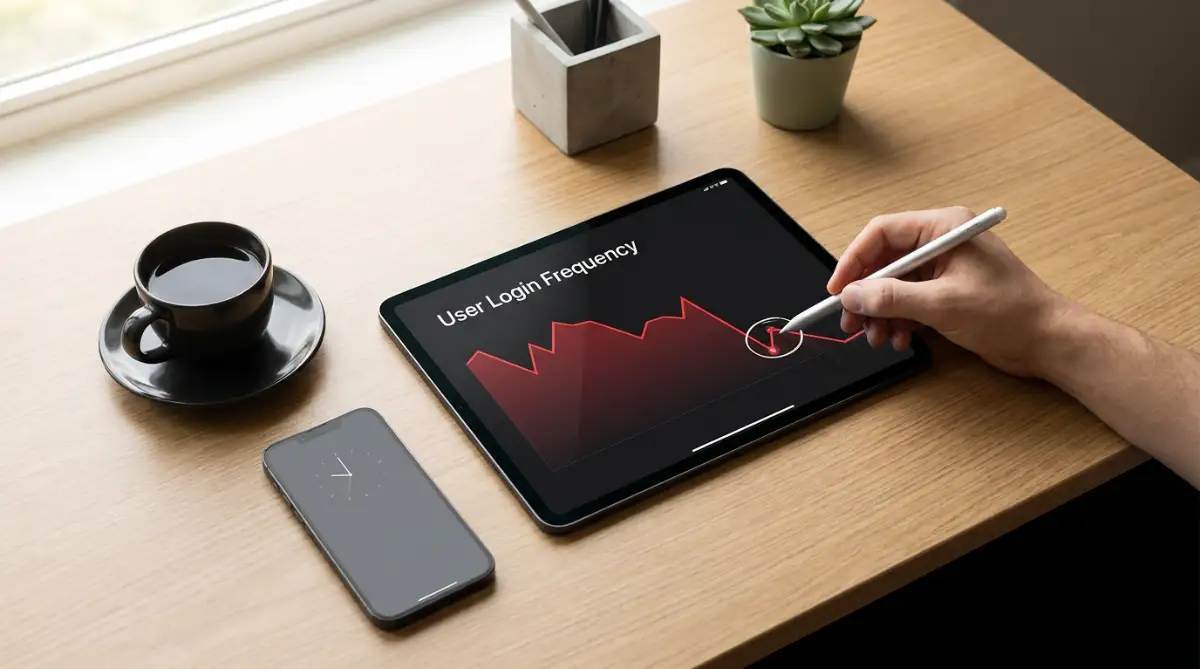
See The Usage Drop In Action
If you want to see exactly how professional companies track these hidden usage drops in real-time, take a quick look at this incredible dashboard breakdown.
Warning Sign 2: Customer Support Tickets Go Totally Dark
Most startup founders hate seeing a flood of customer support tickets in their inbox. They view complaints as a massive failure of their product design. But in the world of customer retention, a complaining customer is actually a highly engaged customer.
When someone takes ten minutes out of their busy day to write a detailed support ticket, it means they still care. They actively want your product to work for them, and they are begging you to fix the friction.
The real danger zone is when an older customer, who used to ask questions all the time, suddenly goes completely silent. A total lack of support tickets from your user base does not mean your product is flawless. It usually means your customers have given up hope that you will actually fix anything.
This is known as the "Apathy Phase." They have accepted that your service is slightly broken, and instead of complaining, they are quietly researching other options on Google. They are just waiting out the end of their current contract before they leave you permanently.
To test if your audience has gone apathetic, you need to proactively break the silence. Send out a short, one-question survey to your oldest clients. Ask them, "What is the single most annoying thing about using our service right now?" If you get zero responses from your best buyers, your relationship is on life support.
My "Apathy-Breaker" Email Template ✉️
If an old client has not emailed support in 6 months, do not assume they are happy. Send this exact text to break the ice:
- Subject: Are we dropping the ball?
- Body: "Hey [Name], I noticed you haven't needed our support team lately. Usually, that means we are either doing a perfect job, or you've found a frustrating bug and just gave up on asking us to fix it. If there is ONE thing we could fix for you today, what is it?"
- This raw honesty almost always gets a massive, highly valuable response.
Warning Sign 3: Failing The Basic Upsell Test
A healthy, thriving business relationship naturally grows deeper over time. As your customer experiences more success using your basic product, they should naturally want to upgrade to your premium features. If your upsell attempts are constantly hitting a brick wall, your foundation is extremely weak.
Let us say you run a marketing agency. If your client has been paying you for basic social media posts for two years, but refuses to let you run their paid advertising, you need to ask yourself why. They clearly have the budget, but they are not giving it to you.
This usually means they only trust you to do the bare minimum. They do not view you as a strategic partner; they view you as a cheap commodity that can be easily replaced. When budget cuts eventually happen, commodities are always the very first things to get chopped.
You need to sit down and analyze your "expansion revenue." Are your current customers spending ten percent more with you this year than they did last year? If that number is flat or shrinking, your retention strategy is already failing. You are not providing enough massive value to justify asking for more of their money.
Warning Sign 4: The Delayed Invoice Payment
We often try to be incredibly nice when a long-term customer pays their monthly invoice a few days late. We tell ourselves that their accounting department is just a little backed up this week. While that might be true once or twice, a consistent pattern of late payments is a massive red flag.
In the business world, companies always pay their most critical vendors first. If the internet company shuts off their connection, their entire office stops working, so that bill is always paid on time. If they are constantly pushing your invoice to the bottom of the pile, it is because your service is no longer a top priority for their survival.
They are quietly testing the waters to see what actually happens if they do not pay you. They want to know if losing your service will actually hurt their daily operations. If they realize they can survive without you for three weeks, they will simply cancel the contract in week four.
You must address delayed payments immediately, but you cannot be aggressive or mean about it. Pick up the phone and call your main point of contact directly. Do not talk to the accounting department; talk to the actual person who uses your product.
Ask them gently if everything is okay with their budget this quarter. Often, this simple question will uncover a massive internal problem at their company that you can actually help them solve. If you can help them navigate a tough financial quarter by offering a temporary pause, you will build intense loyalty that lasts for decades.
Building An Unbreakable Shield Around Your Best Clients
Now that you know exactly how to spot the quiet red flags, you need a powerful strategy to stop the bleeding. You cannot just sit around waiting for customers to show signs of frustration. You have to build a proactive defense mechanism that makes them feel incredibly valued from day one.
The most effective retention strategy always begins the exact minute a new customer hands you their credit card. We call this the critical onboarding phase. If your onboarding process is confusing or messy, your buyer will immediately regret their purchase.
Do they receive a clear welcome email explaining exactly what to do next? Do they have a dedicated account manager they can easily contact? If you leave them alone in the dark for their first week, they will instantly start looking for the exit door.
You must hold their hand heavily for the first ninety days of your relationship. Show them exactly how to get massive value out of your product as quickly as possible. When they experience a quick, easy win early on, their loyalty to your brand skyrockets.
The Power Of The Proactive Wellness Check
Most companies only talk to their customers when it is time to renew a contract or collect a late payment. This makes the customer feel like a walking ATM machine. You have to change this dynamic by scheduling proactive wellness checks throughout the year.
A wellness check is a simple, fifteen-minute phone call where you do not try to sell them anything at all. You simply ask them how their business is doing and if your product is actually making their life easier. This tiny gesture shows that you genuinely care about their long-term success.
Ignoring these small check-ins is a terrible idea. Ignoring these small check-ins is a terrible idea. It works exactly like those overlooked habits that quietly destroy your smartphone battery lifespan. Skipping regular maintenance slowly drains the goodwill and patience your customer has for your brand.
During these calls, you might discover that they are completely using your software the wrong way. Because you took the time to call, you can gently correct them and save them hours of frustration. This level of extreme care makes it nearly impossible for a competitor to steal them away.
To take this a step further, you can actually look into To take this a step further, you can actually look into the actual science of customer emotions published by the Harvard Business Review to understand what truly drives brand loyalty.
When you connect with a buyer on a deep emotional level, price suddenly becomes completely irrelevant to them.
Turning Top Buyers Into VIP Advisors
If you want to lock in your highest-paying clients for life, you need to give them a seat at the table. Create an exclusive Customer Advisory Board for your top twenty buyers. Invite them to special virtual meetings once a quarter to share their honest opinions on your future product updates.
When you ask a customer for their advice, you instantly make them feel highly respected and important. They move from being just a random consumer to feeling like an active partner in your business growth. People simply do not cancel subscriptions with companies they feel personally invested in.
You can give this VIP group early access to beta features before anyone else sees them. You can also send them surprise gifts on their birthdays or their company anniversaries. These small, thoughtful touchpoints build a massive emotional wall around your best accounts.
3 Cheap VIP Perks That Build Unbreakable Loyalty 🏆
You do not need to spend thousands to make someone feel special. Try these cheap but powerful tactics:
- The Beta-Tester Title: Give them early access to a half-finished feature and explicitly ask them to help you "break it."
- The Content Spotlight: Interview them and feature their company on your blog or newsletter (free marketing for them!).
- The Physical Thank You: A handwritten $5 card mailed to their physical office desk stands out infinitely more than a generic $50 digital gift card.

How Smart Founders Accidentally Drive Loyal Users Away
Even with the best intentions, it is incredibly easy to accidentally ruin a great client relationship. I have watched brilliant startup founders destroy their own companies simply because they fell into terrible operational traps. We need to expose these silent killers so you can actively avoid them in your own daily operations.
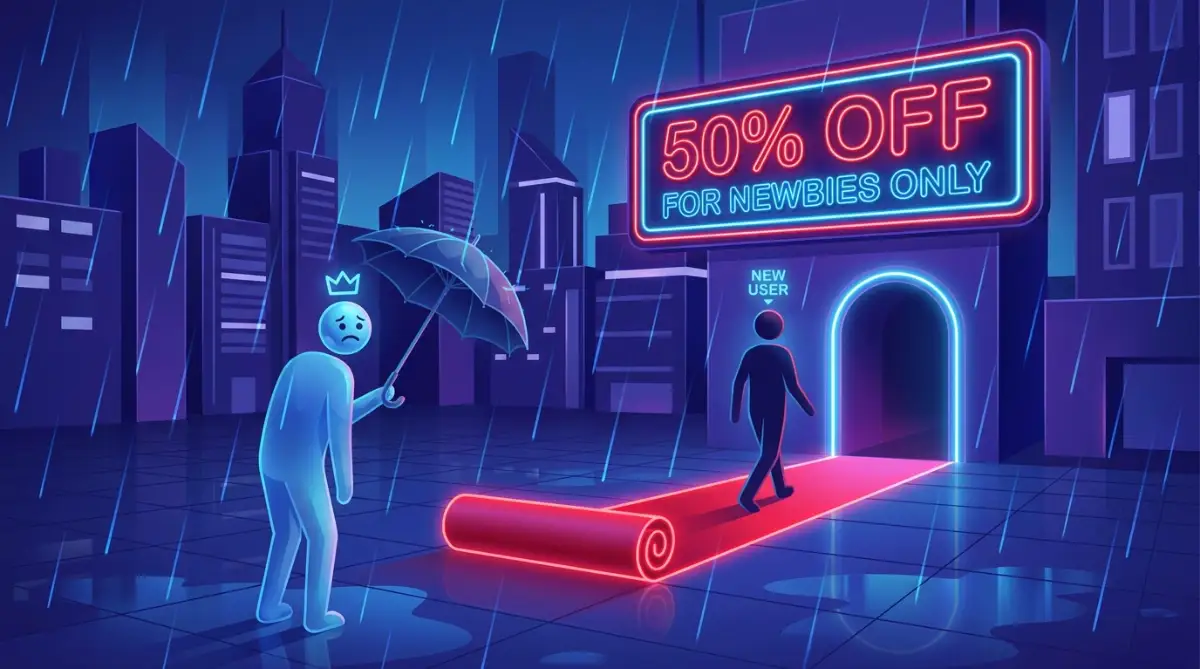
One of the most offensive mistakes you can make is punishing your loyal customers for staying with you. Imagine how a four-year client feels when they see you running a massive discount campaign for brand-new users. They are paying full price, while a total stranger gets fifty percent off just for signing up today.
This sends a terrible, incredibly insulting message. It tells your loyal base that you care way more about capturing new leads than rewarding long-term trust. You should always offer your best upgrades, discounts, and perks to the people who have been with you the longest.
Another massive trap is the disjointed sales handoff. The sales team promises the buyer a totally magical experience to get the contract signed. But once the ink is dry, the customer is dumped onto an overworked, under-trained support team that has no idea what was promised.
This creates an instant breach of trust that is almost impossible to repair. It is exactly like making silent freelance profile mistakes that keep you from getting your first client. If the image you project during the sales pitch does not match the actual delivery, your reputation is instantly ruined.
You must also be deeply aware of your own team's mental health. When your customer support staff is completely exhausted, they start treating clients like annoying numbers instead of human beings.
If you do not let your team cool down and rest, their internal system will crash, taking your customer satisfaction down with it. You have to treat your front-line workers incredibly well if you expect them to treat your buyers well.
The Dangerous Trap Of The Empty Feedback Loop
Every business book will tell you to constantly ask your customers for feedback. So, founders send out massive email surveys every single month begging for opinions. The customers take the time to fill them out, hoping their ideas will actually be heard.
The fatal mistake happens when you collect all that amazing data and do absolutely nothing with it. If a customer begs you to fix a broken feature three months in a row, and you completely ignore them, they will leave. Asking for feedback and then ignoring it is actually much worse than never asking at all.
You are essentially telling the buyer that their opinion is totally worthless to you. If your internal administrative processes are too slow to implement quick changes, you need to clean house.
Just as you routinely speed up your phone simple steps to clear app cache on android, you must clear out the bad habits slowing down your engineering team.
To fix this, you should always follow up on every piece of feedback you receive. If someone suggests a feature that you cannot build right now, email them back personally. Thank them for the incredible idea and honestly explain why it is not currently on your immediate roadmap.
They will deeply appreciate your transparency and honesty. If you want to learn how to structure this process properly, you can study measuring your customer effort score from industry leaders at Gartner.
Ignoring The Deep Value Of A Graceful Exit
Sometimes, despite your absolute best efforts, a customer is going to leave. Their budget might have been slashed, or their company might be pivoting in a totally new direction. How you handle this breakup determines whether they will ever come back in the future.
Many insecure founders take cancellations highly personally. They make the exit process incredibly difficult, hiding the cancellation button or forcing the client to wait on hold for an hour. This aggressive tactic might save one or two accounts, but it permanently burns the bridge with everyone else.
If you make leaving a miserable experience, they will loudly warn all their industry friends to never do business with you. You must make the offboarding process just as smooth and respectful as the onboarding process.
Thank them warmly for the time they spent with your company. Ask them politely for one final piece of honest feedback before they go. Many times, a customer who leaves on great terms will actually refer new business to you or return when their budget recovers.
You can read more about You can read more about understanding the mechanics of customer churn through McKinsey reports to see exactly why some turnover is perfectly natural.
Leaving your customer retention strategy completely unguarded is a massive business risk. It is just like making dangerous password management mistakes.
You are basically leaving your most valuable assets completely vulnerable to the open market.
Your 24-Hour Blueprint To Stop The Bleeding
We have explored the deep psychology of why people stay and exactly why they silently pack their bags. You are no longer flying completely blind when it comes to your monthly recurring revenue. You now have the exact analytical tools you need to build a highly loyal, passionate user base.
Your first immediate action step for tomorrow morning is to audit your own welcome process. I want you to sign up for your own product using a completely fake email address. Experience firsthand exactly what a brand-new buyer sees, feels, and reads during their first hour inside your ecosystem.
If you feel confused or overwhelmed during that test, you know exactly what needs to be fixed today. Do not start your day by checking social media or reading random news. Avoid those dangerous morning routine mistakes that secretly destroy your daily productivity, and focus entirely on your existing clients instead.
Next, pull up your database and find three customers who officially canceled their accounts last month. Pick up your phone and call them directly. Do not email them; use your actual voice.
Tell them you are not trying to win them back, but you genuinely want to know where you failed them. The brutal honesty you hear on those three phone calls will give you a clearer roadmap than a hundred expensive consulting sessions.
If you want to visualize this entire process perfectly, I highly recommend looking into mapping the complete customer journey guided by MIT Sloan.
My Personal Action Plan: I spent my first two years in business obsessed with chasing brand-new logos for my website. It was not until I finally sat down and called my oldest clients just to say thank you that my profits truly exploded. Stop treating your current buyers like old news, start treating them like total VIPs, and watch your business scale faster than you ever thought possible!
Must-Know Questions About Retaining Your Best Customers 💡
Should I offer a massive discount to a client trying to cancel?
Honestly, no. Throwing a quick 50% discount at a frustrated client might save the account for one month, but it doesn't fix the actual problem. If they are leaving because your software is confusing, making it cheaper won't make it any easier to use. Fix the friction, don't just slash your prices!
How do I know if my churn rate is secretly killing my business?
It really depends on your specific industry, but generally, if your monthly churn sits above 3% to 5% for a subscription business, you are in the danger zone. You need to stop spending all your cash on Facebook ads and immediately start auditing your onboarding process to see where people are getting stuck.
Why do my top-paying clients suddenly stop talking to my support team?
Total silence is a terrifying red flag. If a heavy user stops submitting tickets, it doesn't mean your product is suddenly flawless. It usually means they have entered the "Apathy Phase"—they gave up hope that you will actually fix their problems and are quietly looking for a replacement on Google. You must call them immediately!
Can building a community actually stop people from canceling?
Absolutely! When you build a private group or forum where your customers can network and learn from each other, you create a massive emotional moat. People will often hesitate to cancel their basic subscription simply because they do not want to lose access to that highly valuable network of peers.
Disclaimer: The information provided in this article is for general educational and informational purposes only and does not constitute professional financial, legal, or formal business consulting advice. Startup growth metrics, retention strategies, and industry standards vary heavily depending on your specific niche and target audience. Always consult directly with a certified business advisor or a financial professional before making any major strategic changes to your company operations or pricing models.