The Frustrating Cycle of Thirsty Skin
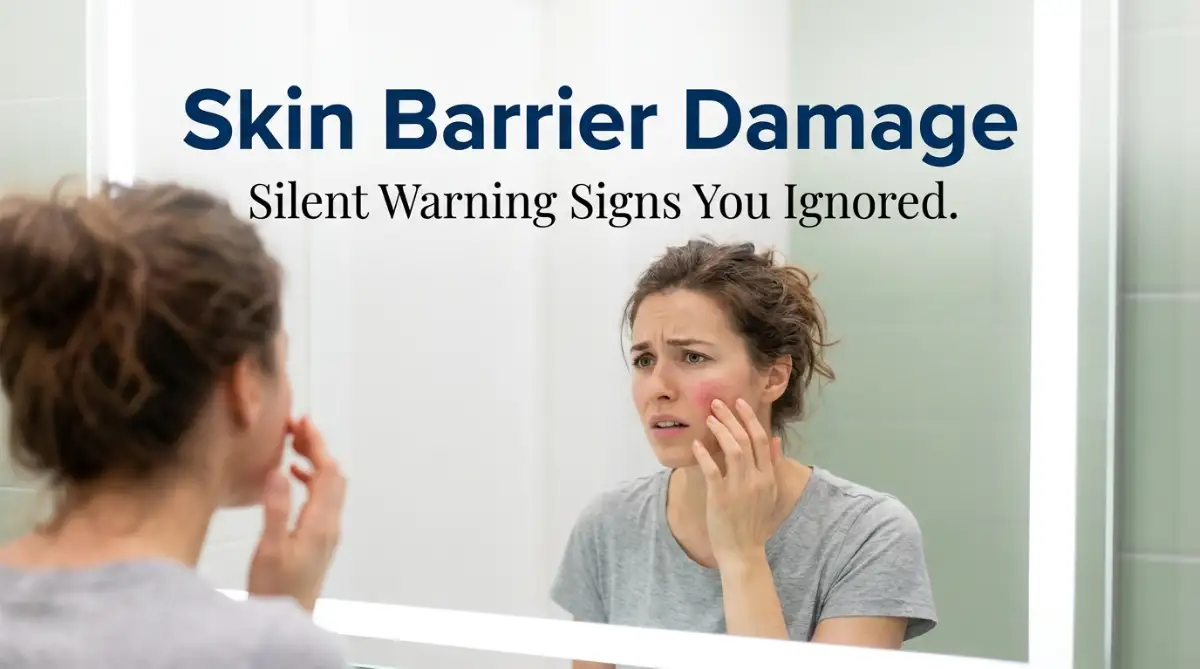
Waking up with skin so tight it hurts to smile is an incredibly frustrating feeling. I used to spend hundreds of dollars on the thickest, heaviest moisturizers I could find, only to have my face look greasy on top but completely flaky and peeling underneath by lunchtime. I felt like my skin was just permanently broken. It turns out, I wasn't fighting bad genetics—I was just treating the wrong biological problem. Let's look at exactly why heavy creams aren't working for you, and how to actually force real moisture deep into your cells today.
Your Fast-Track Skin Hydration Plan:
- Dry vs. Dehydrated: "Dry" skin lacks natural oil (sebum), while "Dehydrated" skin lacks actual water. You can have a very oily face that is still severely dehydrated!
- The Damp Skin Rule: Never apply hydrating serums (like Hyaluronic Acid) to a dry face; always apply them to damp skin so the serum can pull the surface water deep into your pores.
- Stop the Heat: Steaming hot showers literally melt away your skin's protective lipid barrier. Switch to lukewarm water immediately.
- Ditch the Towel: Stop rubbing your face dry with harsh cotton towels. Leave your face slightly wet to trap maximum moisture under your creams.
Decoding the Biology of Your Skin's Moisture Barrier
Before you spend another twenty dollars on a fancy moisturizer, you have to understand the basic mechanics of a human skin cell. Your skin is not a solid sheet of plastic.
It is a highly complex, living wall made of millions of tiny building blocks. These cellular building blocks are held together by a natural, oily glue called the lipid barrier.
When this lipid barrier is strong and healthy, it acts exactly like a heavy glass lid on a pot of boiling water. The steam and moisture cannot escape into the air, keeping everything inside the pot perfectly hydrated.
But when you wash your face with harsh, foaming soaps, you violently scrub away that natural oily glue.
The Leaking Bucket Analogy:
Imagine taking a plastic bucket and drilling fifty tiny holes into the bottom of it. If you turn on a hose and pour gallons of water into that bucket, it will never actually fill up.
The water will instantly leak out of the holes and spill all over the driveway. Your skin behaves in this exact same logical way when the lipid barrier is damaged.
You can drink a hundred glasses of water a day and apply five different expensive creams. But if your barrier is broken, all that beautiful hydration instantly evaporates directly into the dry air around you.
This biological evaporation process is scientifically known as Transepidermal Water Loss (TEWL). To achieve a naturally clear, glowing complexion, we have to stop this silent evaporation first.
My Quick "Leaky Skin" Test 💧
If you aren't sure if your barrier is broken, try this 10-second test tomorrow morning: Wash your face with your normal cleanser and pat it dry. Do not put any products on. Wait 5 minutes. Does your skin feel tight, shiny, or like it might crack if you smile too wide? If yes, your barrier is officially compromised and leaking water into the air.
Identifying the Difference Between Dryness and Dehydration
This is the absolute biggest mistake millions of people make when buying skincare products. The cosmetic industry uses the words "dry" and "dehydrated" interchangeably to sell you more products, but biologically, they mean two completely different things.
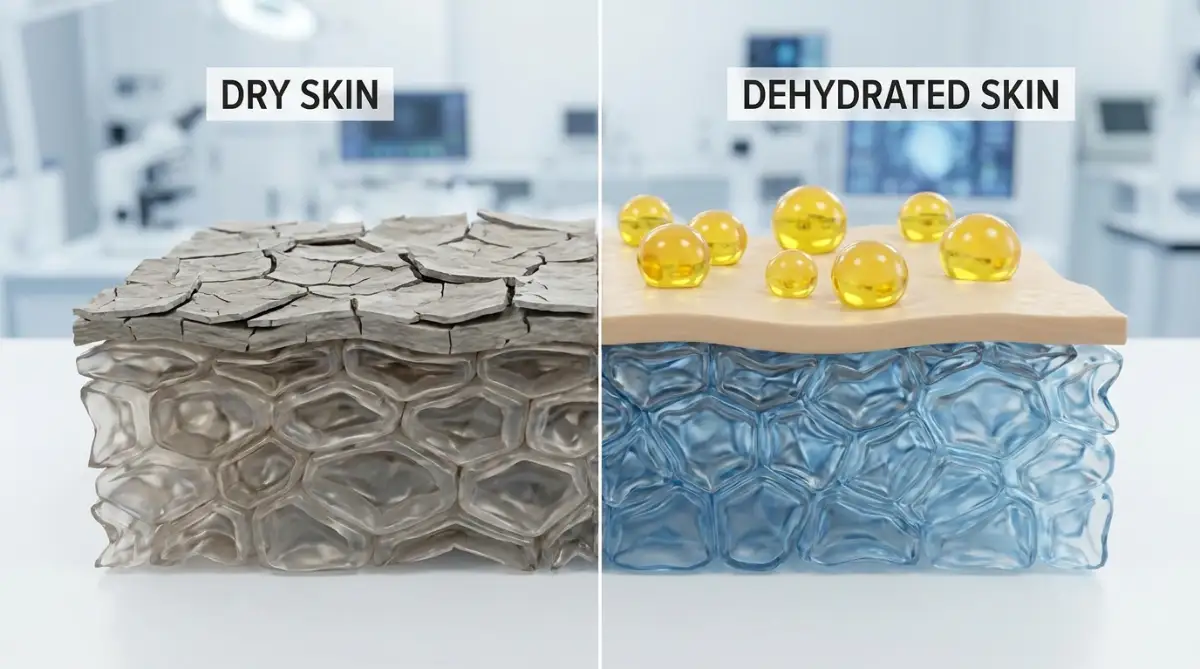
Dry Skin is an actual genetic skin type. It means your body naturally under-produces sebum, which is the physical oil your pores create to protect your face.
If you have true dry skin, your face feels tight and rough because it lacks protective oil.
Dehydrated Skin, on the other hand, is a temporary biological condition that can happen to absolutely anyone, even if your face is incredibly greasy. Dehydration means your actual skin cells are severely lacking water.
Quick Look: Dry vs. Dehydrated Skin
Advanced Strategies to Trap Moisture Inside Your Cells
Before we jump into the specific steps to fix your moisture barrier, watch this amazing breakdown by a board-certified dermatologist that finally made everything click for me. It perfectly explains the science we just talked about, so check it out and then keep reading for the exact daily habits you need to change!
Once you understand that your skin is physically leaking water, you have to look much deeper into how you are actually washing it. Your bathroom routine is a highly active chemical process that dictates your skin's survival throughout the day.
According to dermatological guidelines published by the American Academy of Dermatology (AAD), maintaining a strong external barrier is the absolute foundation of preventing severe dry skin flare-ups. You must learn to use established biological facts to protect your face from sudden environmental damage.
Clinical research shared by the National Eczema Association reveals that applying moisturizers directly to damp skin can increase water retention by up to eighty percent. Knowing how to lock the moisture into your cells is highly important before you step out of the shower.
The Magic of Hyaluronic Acid
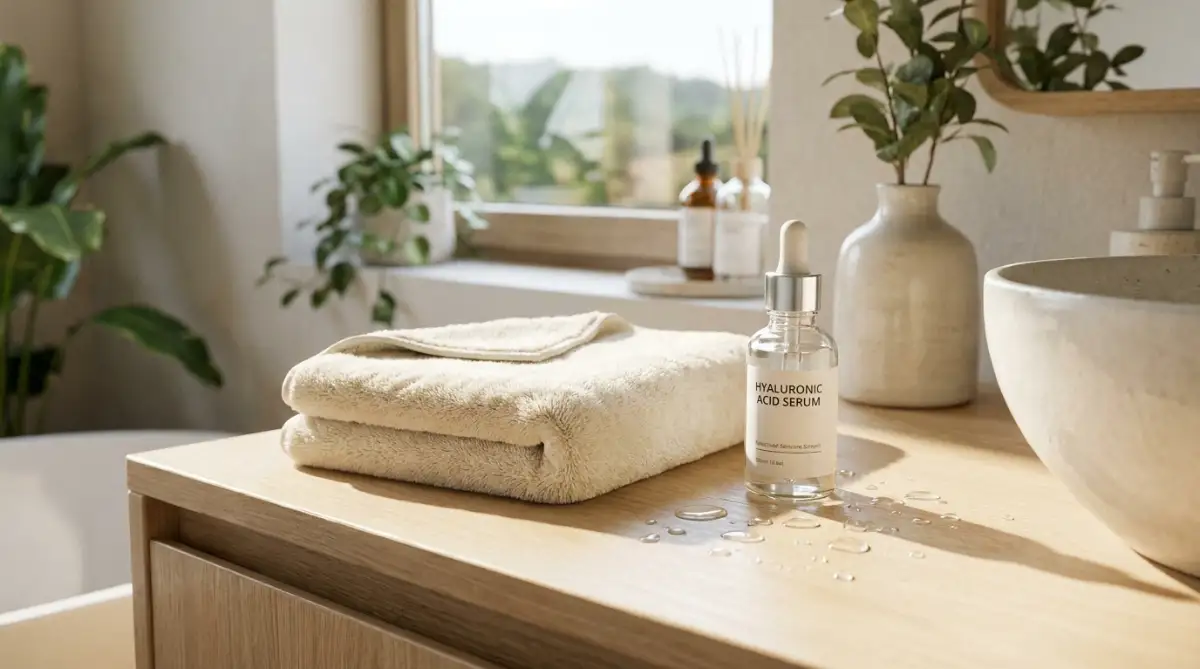
If you want to pull a massive amount of water directly into your skin cells, you need to use a specific biological magnet. This magnet is called Hyaluronic Acid (HA), and it is actually a naturally occurring sugar found inside your own body.
Hyaluronic acid is famous in the medical world because a single molecule can hold up to one thousand times its own weight in pure water. It acts exactly like a dry kitchen sponge sitting in a puddle of water.
The Sponge Analogy:
If you place a hard, dry sponge on a kitchen counter and pour a tiny drop of water on it, nothing happens. But if you soak the sponge first, it becomes incredibly soft, plump, and heavy with moisture.
When you apply a hyaluronic acid serum to your face, it literally acts like that wet sponge, pulling moisture out of the air and forcing it deep into your skin cells.
Your Actionable Strategy:
You must never apply hyaluronic acid to a completely dry face. If you put it on dry skin, the acid will actually pull water out of your deep skin layers to satisfy its thirst, making you even drier.
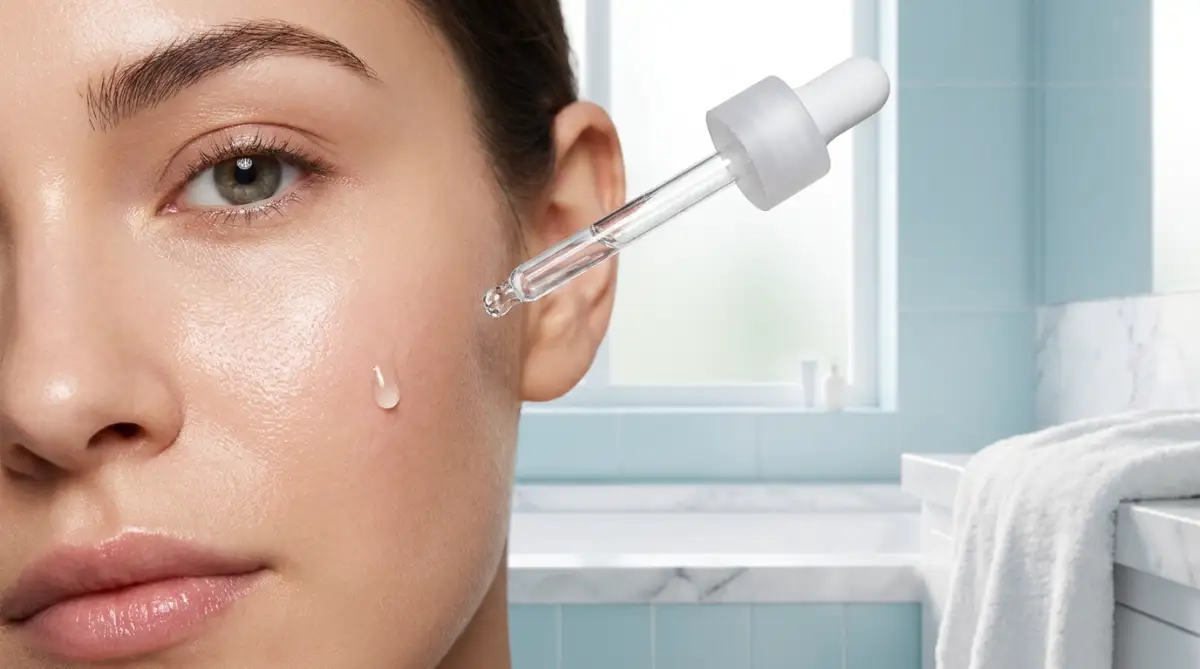
Always splash your face with lukewarm water, or use a gentle facial mist, before applying the serum. Massage it gently into the damp skin, and immediately follow up with a thick cream to lock that new moisture securely inside.
💡 My Personal Pro Tip for Serums:
Never dry your face with a towel before putting on your hyaluronic acid! I keep a small, cheap spray bottle filled with plain water on my bathroom counter. I give my face two quick sprays right before applying the serum. It makes a massive difference, and my skin drinks it up like a sponge!
The Thermal Shock Trap in the Shower
Most people try to wake up on a cold morning by jumping into a highly steamy, boiling hot shower. While a hot shower feels incredibly comforting on your tired muscles, it is a complete disaster for your skin's outer barrier.
Sizzling hot water physically melts away the natural, protective sebum your body spent all night creating.
The Greasy Pan Analogy:
Think of your natural skin oils exactly like bacon grease sitting in a dirty frying pan. If you run cold water over the pan, the grease stays perfectly solid and stuck to the metal.
But the exact second you turn on the steaming hot water, the grease instantly melts and washes away down the drain. When you take a hot shower, you are literally melting your face's natural protective shield right off your body.
Your Actionable Strategy:
You must turn the temperature dial down to lukewarm before you put your face under the water. The water should feel slightly cool and comfortable, never hot enough to turn your skin red.

Protecting your fragile moisture barrier requires building highly consistent, healthy habits. If your face is already peeling and you are actively looking for natural home remedies to fix extremely dry and flaky skin, keeping your daily shower water lukewarm is the absolute best foundation for natural healing.
Furthermore, waking up with tight, painful skin can completely ruin your mood for the entire day. Ignoring your skin's basic biology is actually one of those dangerous morning routine mistakes that secretly destroy your daily productivity, because you end up spending the whole morning feeling physically uncomfortable and distracted.

Pro Tip: The "Slugging" Secret 🐌
If you have a severely dry patch that won't heal, try the viral "slugging" method tonight. After your normal moisturizer, apply a very thin layer of a pure occlusive (like Vaseline or pure Shea Butter) over the dry areas. This creates an impenetrable plastic-wrap effect, forcing your skin to heal and locking in 100% of the hydration while you sleep.
Silent Skincare Habits That Will Destroy Your Face
Even highly intelligent people make terrible choices when they are desperate to fix a flaky, peeling face before a big social event. The intense stress of looking in the mirror often blinds us to basic biological logic and healthy habits.
If you fall into these incredibly common traps, your daily complexion will eventually experience a complete, permanent failure. This frustrating cycle can easily ruin your daily confidence, destroy your professional appearance, and wipe out your self-esteem.
Here is exactly what you must avoid to keep your skin completely safe and hydrated.
The "Rough Towel Scrub" Disaster
When you step out of the shower, your first human instinct is to grab a thick cotton towel and rub your face completely dry. You might even rub a little harder on the flaky spots, hoping the towel will scrape the dead skin away.
This is an absolute biological disaster waiting to happen. A rough cotton towel acts like harsh sandpaper on your delicate, wet skin.
You are physically tearing the healthy skin underneath the flakes, creating millions of microscopic cuts across your entire face. Your skin responds to this violent trauma by becoming bright red, highly inflamed, and even drier than before to protect itself.
Always use a clean, soft microfiber cloth to gently pat your face. Never rub, pull, or stretch the wet skin under any circumstances.
Drinking Gallons of Plain Water Blindly
We are constantly told by fitness influencers that drinking eight massive glasses of plain water a day will magically cure dry skin. While drinking water is healthy for your organs, chugging plain water all day will simply send you running to the bathroom every ten minutes.
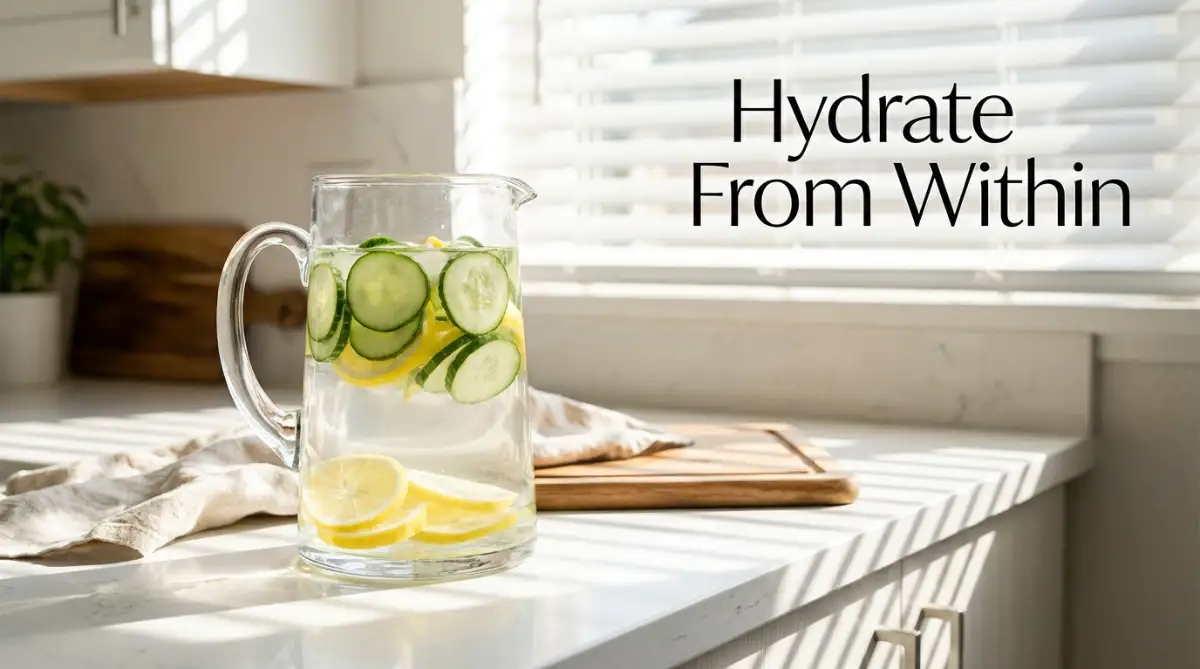
If your body lacks essential minerals, the plain water will flush right through your system without ever actually reaching your skin cells. Water needs specific minerals to physically bind to your cellular walls and stay there.
DO's and DON'Ts For Glowing Skin:
- DO add a tiny pinch of natural sea salt to your morning glass of water for essential electrolytes.
- DO NOT rely on heavy, chemical-filled makeup to hide dry patches, as it only clogs the damaged pores further.
- DO place a cool-mist humidifier directly next to your bed during the freezing winter months.
- DO NOT use strong chemical peeling acids on your face when your skin barrier is actively broken and stinging.
You must focus on hydrating your environment as well as your body. Using a humidifier creates a highly humid micro-climate right around your pillows, allowing your skin to naturally absorb the floating water droplets while you sleep.
A Word from the Expert: Your Blueprint for Radiant Confidence
Fixing a broken, heavily dehydrated complexion does not have to be an overwhelming or painful experience. You now hold the exact same scientific knowledge that professional estheticians use to treat high-paying celebrity clients.
By taking a few short days to fix your shower temperature, use hyaluronic acid correctly, and stop aggressive towel rubbing, you completely remove the fear of waking up with flaky skin. You are no longer crossing your fingers and hoping a new magic cream will save your face today.
Instead, you are confidently commanding your own biological engine like a seasoned skincare professional. This simple shift in your physical habits gives you incredible power over your entire physical appearance.
Your Skincare Protection Action Plan:
- Audit Your Shower Temperature: Turn the dial down to lukewarm tonight and promise yourself to never let steaming hot water touch your face again.
- Buy the Right Acid: Purchase a simple, affordable hyaluronic acid serum and apply it strictly to a damp face.
- Ditch the Cotton Towel: Swap your harsh bathroom towels for a soft, gentle microfiber cloth meant for delicate glass cleaning.
- Lock in the Moisture: Always apply a thick, unscented moisturizer within sixty seconds of getting out of the shower to seal the water inside your pores.
Your skin is a brilliant, highly capable organ that simply needs the right type of daily maintenance to thrive. Do not let basic nighttime laziness or the comfort of a boiling hot shower steal your natural glow.
Read your skin's biological signals carefully, protect your moisture barrier fiercely, and take complete, fearless control of your daily complexion starting right now.
Common Questions About Skin Hydration
Can drinking too much coffee cause my skin to become dehydrated?
Yes, coffee is a natural diuretic, which means it physically forces your kidneys to flush water out of your bloodstream faster. If you drink multiple cups of coffee a day without matching it with electrolyte water, your skin will quickly lose its natural plumpness.
Why does my face feel extremely oily but still look flaky?
This is the classic sign of a broken lipid barrier. Your skin is severely dehydrated, so it is panicking and overproducing heavy oil to compensate, but the water is still evaporating through the broken barrier beneath the oil.
Is it safe to use physical scrubs to remove the dry flakes?
Absolutely not. Using harsh walnut scrubs or rough electronic brushes on dehydrated skin creates microscopic tears and massive inflammation, which will ultimately make the flaking significantly worse over the next few days.
How long does it actually take to repair a damaged moisture barrier?
If you stop using harsh soaps, lower your water temperature, and apply gentle hydrators daily, a damaged lipid barrier typically takes about three to four weeks to fully repair and regenerate itself.
Disclaimer: The information provided in this article is for educational and general informational purposes only and does not constitute formal medical, dermatological, or dietary advice. Individual skin types, chemical sensitivities, and physical health conditions vary heavily by person and genetic background. Always consult with a board-certified dermatologist, licensed esthetician, or primary healthcare provider regarding any severe chronic acne, painful skin rashes, or drastic changes to your daily skincare routine.