
My Endless Nights of Tooth Agony and the Fear That Paralyzed Me
Have you ever stayed awake until 3 AM, clutching your jaw, and terrified of calling the dentist? I know exactly how that feels. We would rather live with a dull, constant ache for months than face what we think is dental torture. But I am going to show you that a modern root canal is actually as boring as getting a standard filling—and ignoring the problem is the only real mistake you are making.
📌 Quick Summary: The Truth About Tooth Pain
- Zero Pain Rule: Modern local numbing makes a root canal feel no different than getting a basic, everyday filling.
- Keep Your Natural Teeth: Pulling a tooth causes bone loss and massive structural shifts that cost thousands to fix later.
- The "Silent" Threat: A tooth that suddenly stops hurting is not cured; its nerve has deadened, but the underlying bone infection is still actively growing.
- Get the Crown: A treated tooth is fragile. Getting a custom crown is essential to prevent it from cracking when you eat.
The Invisible Weight of Dental Anxiety on Everyday Life
My story is incredibly common, and you might be going through the exact same nightmare right now. Millions of normal people walk around every single day hiding a massive amount of dental pain. They smile at their coworkers, attend family dinners, and go about their lives while secretly hurting. This happens because the internet and old rumors have totally brainwashed us.
When you believe these scary rumors, your everyday life suffers in ways you might not even realize. You stop enjoying your favorite hot coffee or that cold bowl of ice cream because the temperature sensitivity is too much to handle. You cancel social plans because you have a sudden toothache flare-up that drains all your energy. It becomes a heavy, invisible weight that you carry everywhere you go.
The mental toll is honestly just as bad as the physical pain. You spend hours lying in bed, staring at the ceiling, wondering when the tooth is finally going to give up. You might even start swallowing over-the-counter pain pills like they are candy, which is terrible for your stomach and liver. Your peace of mind is completely destroyed by a problem that could be fixed in just one afternoon.
It is time to take a deep breath and look at the actual facts. Getting rid of the pain starts with getting rid of the bad information floating around in your head. Let us break down exactly why you need to stop believing these silly myths right now.
Shattering the Biggest Myths Keeping You in Pain
When you actually look at modern dental science, you quickly realize that dentistry has changed a lot. We are no longer living in the dark ages of medicine. The tools, medicines, and techniques used today are designed to keep you totally comfortable.
Let us tackle the most common misunderstandings one by one so you can finally feel safe making an appointment.
Myth 1: The Procedure Is Incredibly Painful
This is the biggest and most stubborn lie of them all. When people hear the words "root canal," their brain instantly translates it to "maximum pain." But here is the absolute truth you need to hear today. The treatment does not cause the pain; it actually cures the pain you are already feeling.
The pain you feel right now is coming from the damaged, infected nerves inside your sick tooth. The whole point of this therapy is to go inside, gently remove those sick nerves, and stop the signals from reaching your brain. Modern dentists use highly effective local anesthesia that completely numbs the entire area.
Once that numbing shot takes effect, your tooth is completely asleep. Most patients report that the procedure feels exactly like getting a normal, everyday filling. You might feel a little bit of pressure or vibration, but you will not feel sharp pain. In fact, the relief you feel immediately after the procedure is often life-changing.
Did You Know? The Ice Bucket Analogy
Think of an infected tooth like a tiny ice bucket with a lid on it. If you put a hot match near the outside, the ice melts slowly. But if the lid is sealed shut (like your tooth shell) and pressure builds up from gas, it starts to throb. The dentist is simply taking the lid off the bucket to release that built-up pressure instantly!
Watch This Quick Breakdown to Understand the Comfort Level:
Find out why modern technology has made this procedure completely painless.
Myth 2: It Is Easier and Cheaper to Just Pull the Tooth
When the pain gets really bad, many people just throw their hands in the air and say, "Just pull it out!" On the surface, yanking the tooth seems like a fast, cheap, and permanent solution. But this is a massive trap that will cost you dearly in the long run.
Saving your natural tooth should always be your absolute first priority. When you pull a tooth, you leave a gap in your smile that causes a chain reaction of bad events. The teeth next to the empty space will slowly start to shift and fall into the gap, ruining your bite. Your jawbone in that area will also begin to shrink because it has no tooth root to support it.
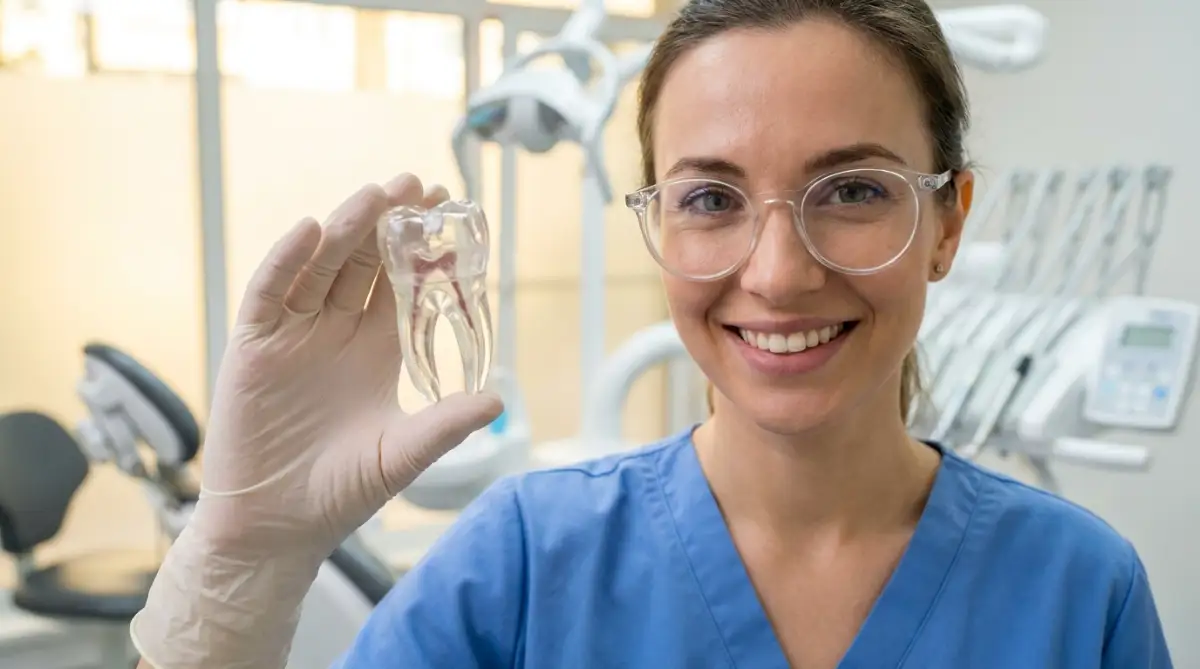
To fix those new problems, you will eventually need a dental implant or a bridge. Guess what? Those artificial replacements are much more expensive and require way more surgery than a simple endodontic treatment.
Here is a simple look at why saving your tooth wins:
As you can see, pulling a tooth is like selling your entire car just because you got a flat tire. It makes zero logical sense when you look at the big picture. Protect your natural smile at all costs.
Myth 3: The Treatment Causes Other Serious Illnesses
This is an old, scary rumor that still floats around corners of the internet today. Some people claim that getting this therapy traps dangerous bacteria inside your body, which later causes heart issues or joint problems. This idea is based on a poorly conducted, flawed study from nearly a century ago.
When you have a deeply infected tooth, your body is constantly fighting off that localized bacteria. If you leave the infected tooth in your mouth without treating it, that infection can actually spread to your jaw, neck, or even your brain. Getting the therapy completely removes the dangerous bacteria and stops the infection from spreading. It keeps your whole body safer and healthier.
My Personal Realization on Delaying Treatment:
I thought I was being smart by waiting it out and hoping my tooth would just calm down. I learned the hard way that tooth decay never takes a vacation or fixes itself. By delaying the inevitable, I just made my infection much worse and gave myself weeks of totally unnecessary suffering. Do not make my mistake; get it checked the moment it hurts.
Myth 4: A Dead Tooth Needs No Treatment
Sometimes, a severely damaged tooth will suddenly stop hurting all on its own. You might wake up one morning, notice the throbbing is gone, and celebrate a false victory. You might think, "Great, the tooth is dead, so I do not need to go to the clinic anymore."
This is an incredibly dangerous way of thinking. The reason the tooth stopped hurting is that the nerve inside it has completely died. Because the nerve is dead, it can no longer send pain signals to your brain. But the massive infection inside the tooth is still very much alive and actively eating away at your bone.
A silent, painless infection is basically a ticking time bomb in your mouth. It will continue to quietly destroy your jawbone and form a nasty pocket of pus called an abscess. Eventually, this will blow up into a massive, painful swelling on your face. You still need the treatment to properly clean out that dead, rotting tissue, even if nothing hurts right now.
Understanding What Actually Happens in the Chair
Fear mostly comes from the unknown. When you do not understand what the doctor is doing in your mouth, your imagination runs wild. So, let us break down exactly what happens during this incredibly routine procedure.
First, the dentist takes an X-ray to see the exact shape of the hidden roots under your gums. Then, they apply a strong numbing gel to your gums so you do not even feel the tiny anesthetic needle. Once you are perfectly numb, they place a small protective rubber sheet around the tooth to keep it clean and dry.
Next, they make a tiny opening at the top of the tooth. Using extremely small, flexible, hair-like tools, they gently clean out the soft, infected center. They flush the area with a cleaning liquid to make sure every single bug and bacteria is totally washed away. You do not feel any of this; you just hear a low humming sound from the tools.
Finally, they fill the empty space inside the tooth with a safe, rubbery material to seal it completely shut. They put a temporary filling on top to protect it. Later, you will get a permanent crown placed on the tooth to make it strong enough for chewing hard foods again. That is it. The whole process is highly organized, incredibly safe, and beautifully simple.
Myth 5: The Roots Are Completely Removed
This is a very common misunderstanding based purely on the name of the treatment. People hear "root canal" and think the dentist is digging out the entire root of the tooth from the jawbone. If they did that, your tooth would just fall out of your mouth!
Your tooth root is safely left exactly where it is, anchored firmly into your jaw. The dentist is only cleaning out the hollow canal or tunnel that runs completely through the middle of the root. They are removing the soft tissue, known as the pulp, from the inside of that tunnel.
The hard, outer shell of your tooth root remains perfectly intact. This is wonderful news because it means your tooth stays solidly rooted in your mouth for the rest of your life. It continues to help you chew, speak, and smile just like a normal tooth.
Myth 6: The Fix Requires Too Many Long Appointments
Many people avoid making the call because they think they will have to miss weeks of work. They picture endless appointments, sitting in the clinic day after day. Decades ago, this might have been slightly true, but modern technology has changed the game completely.
Today, most of these therapies can be completely finished in just one or two simple visits. Dentists now have powerful 3D imaging, specialized microscopes, and advanced cleaning tools that make the process incredibly fast. An average appointment might only take about 60 to 90 minutes from start to finish.
You can easily schedule an appointment for the morning and go right back to your office desk after lunch. Your mouth will stay numb for a few hours, but you will not feel groggy or heavily medicated. You do not need to take sick leave or cancel your entire week's plans.
The Reality of Post-Treatment Recovery
Another big worry people have is about what happens after the numbing medicine wears off. They expect a wave of terrible agony to hit them the second they walk out of the clinic. Once again, this is simply not true.
When the anesthesia slowly fades, you might feel some mild tenderness in the area for a few days. Your jaw might feel a little tired from keeping your mouth open during the visit. But this feeling is totally manageable and nothing compared to the severe toothache you had before.
Most people find that basic, over-the-counter anti-inflammatory medicines like ibuprofen are more than enough to handle this mild soreness. You can usually start eating soft foods the very same evening. Within a few short days, the tooth will feel completely normal again, and you will totally forget you even had the procedure done.
Breaking the Cycle of Fear Today
Now that you know the real facts, you have the power to break out of this cycle of fear. Your teeth are incredibly important for your overall health, your confidence, and your daily happiness. Letting false rumors stop you from seeking proper medical care is a terrible shame.
If you have a tooth that reacts sharply to hot or cold, hurts when you bite down, or keeps you awake at night, please do not wait. The longer you wait, the less chance you have of saving that beautiful natural tooth.
Call your local clinic, tell them you are a bit nervous, and let them take good care of you. You will be absolutely amazed at how simple, fast, and easy the modern dental experience truly is. You deserve to sleep soundly tonight without holding an ice pack to your face. Take action, save your smile, and leave those silly old myths behind you forever.
Mastering Your Long-Term Dental Health
Once you finally take the brave step to save your tooth, the story does not simply end there. Fixing the immediate problem is just the start of your journey toward a permanently healthy smile. You want to make sure that the investment you made in your mouth actually lasts for decades.
Keeping that treated tooth strong requires a bit of smart planning and simple daily habits. It is not complicated, but it does require you to be slightly more mindful about your oral care routine. Let us explore some powerful ways to protect your new, pain-free smile.
The Secret Power of the Permanent Crown
Many people think that once the inner infection is cleaned out, the job is 100% finished. They walk out of the clinic with a temporary filling and never bother going back for the final step. This is a massive missed opportunity for long-term protection.
After this specific endodontic therapy, the outer shell of your natural tooth becomes slightly brittle over time. It no longer has a living blood supply to keep it perfectly moist. Because of this, the tooth is much more likely to crack or break if you bite down hard on a piece of ice or hard candy.
To prevent this disaster, your dentist strongly recommends placing a custom-made dental crown over the treated tooth. Think of a crown like a strong, protective helmet for your tooth. It absorbs the heavy forces of chewing and spreads that pressure out evenly. Getting that crown placed quickly is the absolute best way to guarantee your tooth lasts a lifetime.
Leveling Up Your Daily Brushing Game
You already know you need to brush your teeth, but how you do it makes all the difference. That treated tooth still has natural gums around it, and those gums can still get infected if you are not careful. You need to keep the foundation around the tooth incredibly clean.
Consider upgrading to a high-quality electric toothbrush if you have not already. They remove significantly more plaque than manual brushing, especially along the gum line where dangerous bacteria love to hide. Just let the brush do all the hard work; there is no need to press down aggressively.
Also, do not forget the spaces between your teeth. The tight area between your new crown and the neighboring tooth is a prime trap for tiny food particles. Flossing daily, or using a handy water flosser, will flush out that hidden junk. This simple habit stops new cavities from forming on the side of your freshly saved tooth. You can find excellent guidelines on proper interdental cleaning from The American Dental Association (ADA).
Paying Attention to Subtle Warning Signs
Your mouth is excellent at sending you early warning signals when something is slightly off. You just need to learn how to listen to it properly. Even after a successful treatment, you should always stay aware of how your bite feels.
If you notice a small, pimple-like bump forming on the gums near the treated tooth, do not ignore it. This could be a tiny sign that a secondary infection is trying to sneak in. Similarly, if the tooth feels strangely high when you close your jaw, or if you feel a dull pressure when chewing, it is time to make a quick call.
Do not wait for these minor annoyances to turn into a full-blown ache. Catching these tiny issues early usually means a very fast and simple fix. Just like troubleshooting home Wi-Fi dead zones without buying an expensive router, solving dental problems early saves you a massive headache later. It is all about paying attention to the small details.
Your Quick Dental Emergency Decision Tree
- Scenario A: It only hurts when I drink ice water, and the pain stops after 5 seconds.
- What it means: Likely a mild cavity or minor sensitivity. Keep brushing gently.
- Scenario B: The tooth throbs constantly, especially when I lie down at night.
- What it means: The nerve is actively infected. Do not wait for it to "die"—call your clinic tomorrow morning!

The Dangerous Traps That Will Ruin Your Smile
Even with the best intentions, it is very easy to fall into bad habits that slowly destroy your dental work. When the pain is finally gone, human nature makes us a little too relaxed. We stop being careful and start taking our teeth for granted again.
These common missteps might seem totally harmless right now, but they can quickly unravel all the amazing progress you just made. Let us look at the sneaky traps you need to dodge at all costs.
Skipping the Follow-Up X-Rays
This is perhaps the most common way people accidentally ruin their own health progress. After the pain disappears, they assume everything is perfectly healed forever. They skip their regular six-month checkups because they feel totally fine.
But true healing happens deep down in the bone, far below what you can see in the mirror. A dentist needs to take regular follow-up X-rays to ensure the bone around the root is filling in properly. They look for microscopic signs of hidden trouble that you cannot feel yet.
Skipping these simple X-rays is like driving a car for thousands of miles and never checking the engine oil. Everything seems fine on the outside until the engine suddenly blows up on the highway. Regular monitoring is the only way to catch silent issues before they become expensive disasters. In fact, many medical professionals at The Mayo Clinic highlight regular exams as the cornerstone of oral longevity.
Chewing Like a Rockstar on the Temporary Filling
When you leave the clinic after the first cleaning stage, you usually have a soft, temporary seal on the tooth. This seal is just meant to keep food out for a few weeks until your permanent crown is ready. It is absolutely not designed for heavy-duty chewing.
People often forget this and go straight to eating tough bagels, crunchy nuts, or sticky caramels on that exact side of their mouth. The sticky food easily pulls the temporary filling right out. Or worse, the hard food causes the weakened, unprotected tooth to snap perfectly in half.
If the tooth cracks all the way down to the root, your dentist can no longer save it. You will have gone through all that initial work just to end up needing an extraction anyway. Treat that temporary filling like it is made of fragile glass until your final appointment.
Relying Entirely on Home Remedies for Pain
When a toothache first starts, many folks try to play doctor in their own kitchen. They rub clove oil on their gums, rinse with warm salt water ten times a day, or even hold crushed aspirin directly against the tooth. They hope these little tricks will magically cure the deep infection inside the root.
While salt water might soothe swollen gums temporarily, it cannot reach the bacteria hiding deep inside the hard shell of your tooth. Using these tricks might mask the pain for a few hours, but the infection is still actively growing and spreading.
Delaying professional care by relying on these temporary fixes is incredibly risky. It is similar to trying natural home remedies to fix extremely dry and flaky skin; they might feel nice, but they do not always solve the root medical cause. Always get a real diagnosis from a trained professional as soon as the pain begins.
Grinding Your Teeth While You Sleep
You might be destroying your fresh dental work every single night without even knowing it. Millions of stressed adults heavily grind or clench their jaws while they are completely asleep. This massive, repetitive pressure can easily crack a new crown or damage a healing tooth root.
If you wake up with frequent headaches, a sore jaw, or neck tension, you are probably a nighttime grinder. The constant friction acts like coarse sandpaper on your teeth.
The easiest and cheapest fix for this is getting a custom night guard made by your dentist. It is a simple, clear piece of plastic that you pop in before bed. It absorbs all that aggressive grinding pressure and keeps your teeth perfectly safe while you dream. Protecting your teeth at night is just as important as learning to spot and avoid overheating issues with your favorite gaming console; prevention is everything.
Stepping Into a Future Free of Dental Dread
We have completely torn down the scary stories and looked at the pure facts. You now know that modern dentistry is built around your absolute comfort and safety. The heavy anxiety you have been carrying around is based on outdated rumors that simply do not exist in today's clinics.
Saving your natural tooth is always the smartest, healthiest, and most logical choice you can make. You avoid the nightmare of shrinking jawbones, expensive implants, and a totally ruined bite. Instead of running from the dentist, you can now walk into the clinic feeling empowered and fully educated.
I finally stopped letting random internet stories dictate my health choices, and it was the best decision I ever made. Walking out of that clinic completely pain-free felt like winning the lottery, and I want you to feel that exact same incredible relief. Stop torturing yourself with needless worry, make that simple phone call, and get your happy, healthy smile back today.
Common Questions About Painless Endodontic Care
How do I know if my tooth nerve is actually infected?
You will usually feel a deep, constant throbbing ache that gets much worse when you lie down to sleep. Extreme, lingering sensitivity to hot coffee or cold water is also a massive red flag. Sometimes, you might even notice a small, pimple-like bump on the gums directly below the painful tooth.
Can I drive myself home after the appointment?
Yes, absolutely. The doctor uses standard local numbing shots, not full body sleep anesthesia, so your mind stays completely sharp. You can safely drive your car, go back to your desk, or run normal errands right after leaving the clinic.
What happens if I just ignore the infected tooth completely?
Ignoring the problem is highly dangerous because the localized infection will silently spread into your jawbone. This can cause massive facial swelling, extreme pain, and even serious infections in your bloodstream. A bad tooth will never heal itself; it will only get more complicated and expensive to fix.
Is a dental crown absolutely necessary afterward?
In almost all cases involving your back chewing teeth, yes, it is highly recommended. The therapy removes the living tissue inside, which makes the tooth dry and much more fragile over time. A crown acts like a strong protective helmet, ensuring the tooth does not crack when you eat hard foods.
Will the treated tooth look dark or discolored later?
Decades ago, this sometimes happened, but modern techniques have mostly solved this issue. The dentist cleans the inside very thoroughly and seals it with clean materials to keep the tooth looking natural. If it ever does slightly darken, your dentist can easily whiten it from the inside or cover it perfectly with a bright crown.
Disclaimer: This article is for informational and educational purposes only and does not constitute professional medical or dental advice. Always consult with a qualified dentist or healthcare provider regarding any specific dental issues, pain, or treatment plans. The information provided here should not replace a formal medical diagnosis.