Have you ever stared at your ceiling at 2 AM, wondering why your body feels like it is completely failing you after surgery? I have been there. Your doctor tells you the operation was a total success, but you can barely walk to the bathroom without breaking into a cold sweat. You feel terribly guilty watching your family do all the heavy lifting around the house. I used to think my body was permanently broken, until I realized my own daily habits were secretly ruining my recovery. Let me show you exactly what you need to change today so you can finally get your normal life back.

✅ Your 1-Minute Recovery Checklist:
- Stop starving yourself: Your body desperately needs high protein (like a smoothie) to rebuild tissue, not just plain toast.
- Take the pain pills: "Toughing it out" raises your stress hormones and literally stops the healing process.
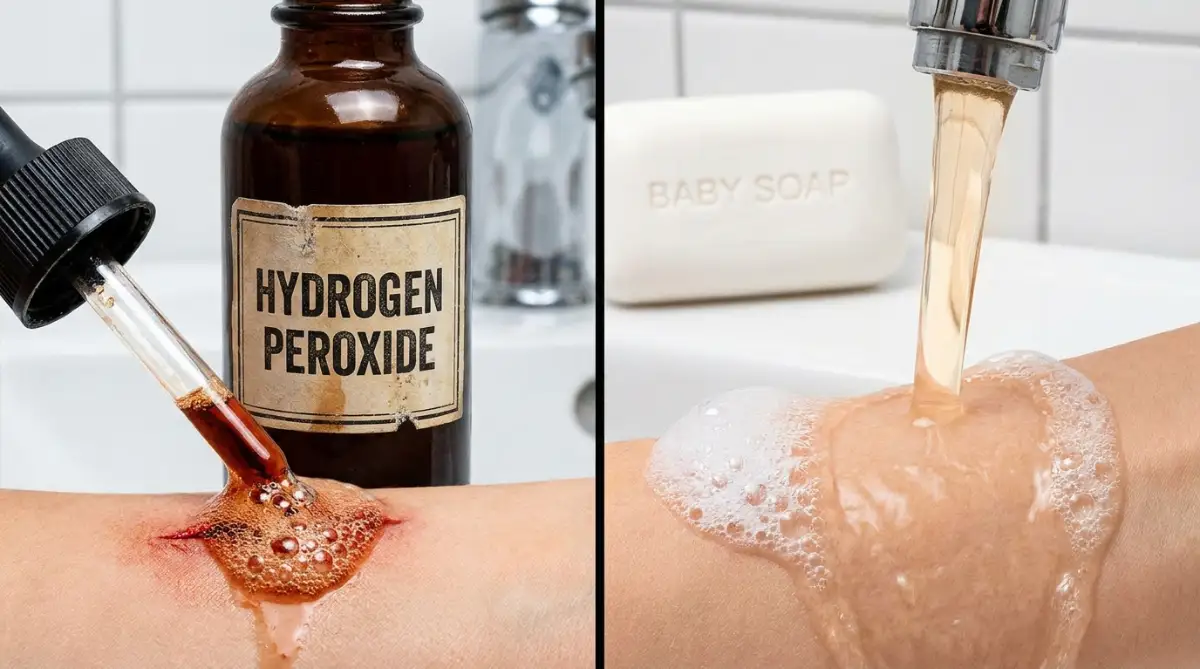
- Ditch the harsh chemicals: Never put rubbing alcohol on a fresh wound; use gentle baby soap and let gravity do the work.
- Walk slowly, but do not lift: A 5-minute walk around the living room clears toxins, but doing heavy laundry will pop your internal stitches.
The Nutritional Starvation Trap
When you return home from a hospital stay, your stomach is usually a completely chaotic mess. The heavy anesthesia drugs completely turn off your digestive system, leaving you feeling highly nauseous and completely uninterested in food.
Because you feel slightly sick, you naturally reach for the most basic, boring foods imaginable. You survive entirely on plain white toast, saltine crackers, clear chicken broth, and maybe a little bit of applesauce.
You think you are doing the right thing by taking it easy on your upset stomach. In reality, you are completely starving your body at the exact moment it needs massive amounts of energy.
Let us look at a highly practical, real-life scenario.
Imagine hiring a professional construction crew to rebuild the entire back wall of your house after a severe storm. The workers arrive at your property with all their expensive tools, completely ready to work hard.
But when they look around the yard, there are absolutely no bricks, no cement, and no wood. You handed them the blueprints, but you refused to buy the actual raw building materials.
Your body operates in this exact same logical way. The surgeon gave your body the blueprint to heal by stitching the top layer of skin together.
However, your body has to rebuild millions of microscopic muscle fibers, blood vessels, and deep skin tissues from scratch. To do this heavy construction, your biological workers absolutely require massive amounts of dietary protein.
Myth vs. Reality:
The Myth: Eating a very light, low-calorie diet of soup and crackers is the safest way to recover from abdominal surgery.
The Reality: Your body's demand for calories and pure protein actually skyrockets after physical trauma. If you only eat plain toast, your body will actually start eating its own healthy muscle tissue just to find the protein it needs to close your surgical wound.
Your Practical Solution for Today:
If chewing a piece of chicken or eating a heavy steak makes your stomach turn, you must drink your building materials instead. You need to trick your digestive system.
Buy an unflavored or vanilla-flavored whey protein powder. Blend one heavy scoop of this protein with a handful of frozen berries, a splash of almond milk, and a spoonful of smooth peanut butter.
This simple, cold smoothie goes down incredibly easy, even if you feel slightly nauseous. More importantly, it delivers thirty grams of raw, highly usable protein directly into your bloodstream.
By feeding the internal construction workers properly, you will notice your incision closing faster, looking less red, and feeling significantly stronger within days.
Quick Nutrition Cheat Sheet for Healing
- Protein: Chicken, eggs, or whey powder (Builds new tissue)
- Vitamin C: Berries or citrus fruits (Helps create strong collagen)
- Zinc: Nuts and seeds (Fights off infections)
- Water: At least 8 big glasses a day (Flushes out all the heavy anesthesia toxins)
The "Toughing it Out" Medication Error
There is a very strange, proud mindset built into our modern culture. We are constantly taught that dealing with physical pain makes us morally stronger.
Many patients return home with a bottle of prescribed pain medication and decide they want to "tough it out." They leave the pill bottle sitting unopened on the kitchen counter.
They tell their families, "I do not want to rely on chemicals; I can handle the soreness naturally." While avoiding unnecessary drugs is generally a healthy mindset in normal life, it is a catastrophic failure after a major surgery.

When you refuse to manage your post-operative pain, you trigger a massive, destructive chain reaction inside your nervous system.
Understanding the Cortisol Problem:
When you feel sharp, continuous physical pain, your brain naturally assumes you are under active attack by a dangerous predator. To protect you, the brain floods your entire bloodstream with a heavy stress hormone called cortisol.
Cortisol is excellent if you need to run away from a wild bear in the woods. However, high levels of cortisol actively suppress your immune system and completely pause your cellular healing process.
Your body thinks, "We cannot waste energy fixing this cut right now, we need to save energy to run away!" Because your brain is trapped in this panicked survival mode, your wound simply stops knitting itself together.
Real-Life Consequences of Unmanaged Pain:
Beyond the heavy chemical stress, uncontrolled pain changes your physical behavior entirely. If your abdomen hurts deeply, you will naturally take very short, shallow breaths to avoid stretching your stomach muscles.
Taking shallow breaths allows fluid to pool heavily at the very bottom of your lungs. This trapped fluid becomes a perfect breeding ground for bacteria, directly leading to a deadly case of post-operative pneumonia.
If your knee hurts too much to stand up, you will stay frozen in bed for three straight days. This complete lack of movement causes your blood to pool in your calves, which can quickly form a highly dangerous, life-threatening blood clot.
Pro Tip for Safe Pain Management:
You must stay ahead of the pain; you cannot chase it. If your doctor tells you to take a specific mild painkiller every six hours, you must set an alarm on your phone and take it exactly on time.
Do not wait until you are crying in absolute agony to swallow the pill. By keeping a low, steady amount of pain relief in your system, you keep your brain entirely calm.
When your brain is calm and your cortisol levels drop, your immune system is finally allowed to do its job. You will breathe deeper, walk easier, and heal significantly faster.
My absolute biggest mistake was trying to "tough it out" and refusing to take my prescribed pain pills on time. I did not realize that the constant, throbbing pain was keeping my stress hormones high, which basically stopped my body from healing itself. Once I started taking my medication exactly on schedule, my body finally relaxed, and my recovery started moving much faster.
The Chemical Burn Over-Cleaning Disaster
Before you clean your surgical wound today, watch this highly helpful video that shows you the exact safe way to wash your skin post-surgery. It visually breaks down the best steps so you do not accidentally damage your fresh cells, so check it out and then read on to learn what to avoid!
It is incredibly normal to feel completely paranoid about getting a nasty infection inside your new wound. You look at the pink, tender skin and imagine millions of invisible bacteria trying to attack you.
Because of this deep, understandable fear, many patients go completely overboard with their daily hygiene routine. They turn their home bathroom into an aggressive chemical laboratory.
They jump in the shower and aggressively scrub their delicate surgical site with heavy, highly scented antibacterial body washes. Some people even apply harsh household chemicals like pure rubbing alcohol or bubbling hydrogen peroxide directly onto the fresh incision.
They mistakenly believe that if the liquid bubbles and burns heavily, it must be killing all the dangerous bad guys. This is a massive, highly destructive medical misunderstanding that ruins hundreds of recoveries every single year.
The Science of Tissue Destruction:
Rubbing alcohol and strong hydrogen peroxide do not just kill bad bacteria on your skin. They are highly aggressive, non-selective chemical agents.
This means they also violently destroy the brand new, highly fragile healing cells your body just spent forty-eight hours building.
A Clear Biological Analogy:
Imagine planting tiny, fragile grass seeds in your front yard to grow a beautiful new lawn. If you pour heavy chemical bleach over the soil to kill a few tiny weeds, you will also instantly kill all the fresh, healthy grass trying to grow.
When you apply harsh chemicals to a surgical wound, you are essentially causing a secondary chemical burn on top of the original knife cut. This heavy chemical trauma creates deep, angry inflammation.
Your body has to stop healing the original surgery and pivot to healing the new chemical burn you just created. The skin edges will pull apart, the redness will spread, and the scarring will look thick, raised, and extremely ugly.
How to Clean Safely and Intelligently:
Your body is highly capable of protecting itself if you just get out of its way. Unless your specific surgeon handed you a special prescription wash, you only need warm tap water and a very mild, completely unscented baby soap.
When you stand in the shower, absolutely never aim the high-pressure showerhead directly at the surgical site. The heavy water pressure can easily blast a surface stitch right out of your skin.
Instead, let the warm, soapy water gently run down your chest or your shoulder, simply washing over the wound naturally. Let gravity do all the hard work for you.
When you finally step out of the shower, never aggressively rub the wet area with a rough, heavy cotton towel. Gently pat the surrounding healthy skin completely dry with a clean paper towel.
Let the actual incision air-dry for ten minutes before putting your clothes on. This gentle, hands-off approach prevents heavy friction and keeps your delicate new cells perfectly intact.
💡 My Personal Shower Pro Tip:
If you are terrified of getting soap directly on your fresh incision, grab a clean, dry washcloth and gently hold it over the wound while you wash the rest of your body. Once you are clean, just let the plain warm water run over the area for a few seconds before stepping out!
Mastering the Hidden Biology of Deep Tissue Repair
We often focus entirely on the outside of our bodies after a hospital visit. We watch the scar slowly change color in the mirror and assume the healing is almost finished.
But the real, heavy lifting happens deep beneath the surface, completely out of your normal sight. To secure a truly permanent recovery, you have to understand how your hidden internal systems operate.
Your lymphatic system acts exactly like an internal highway, carrying waste and dead cells away from the surgical site. When you lie perfectly still in bed for two straight weeks, this highway turns into a massive, stagnant traffic jam.
If the biological waste cannot escape, massive swelling and painful inflammation build up heavily around your incision. You might notice your legs, hands, or abdomen looking puffy and feeling incredibly heavy by the late afternoon.
This trapped, stagnant fluid slows down the delivery of fresh, oxygen-rich blood to your damaged cells. To fix this dangerous traffic jam, you must engage in highly gentle, strategic movement.
We are absolutely not talking about lifting weights or jogging around your neighborhood block. We mean taking a slow, simple five-minute walk around your living room every few hours.
The Mechanical Pumping Strategy
This gentle, slow walking acts like a mechanical pump for your lymphatic fluid. It physically pushes the stagnant toxins out and pulls fresh, healing nutrients directly into the wound area.
Medical experts at the research published by the National Institutes of Health (NIH), highly recommend this type of early, controlled mobilization to prevent dangerous blood clots. Sleep is your other massive secret weapon for long-term recovery success, but it cannot be just any type of light rest.
You absolutely need deep, uninterrupted REM sleep to trigger your body's heavy repair mode. When you enter the deepest stages of sleep, your brain releases a massive wave of human growth hormone into your bloodstream.
Building Your Healing Environment
Think of this growth hormone as the master project manager on a busy construction site. It tells your cells exactly where to go and how to rebuild the torn muscle fibers properly.
If you are constantly waking up because your bedroom is too hot or noisy, that hormone never gets fully released. Your recovery timeline will stretch out for extra weeks simply because you are not sleeping deeply enough.
Treat your sleep environment like a sterile, highly controlled hospital room. Use heavy blackout curtains to block the streetlights and keep the room temperature pleasantly cool.
You need to protect your healing environment just as carefully as you would use natural home remedies to fix extremely dry and flaky skin to rebuild a damaged outer barrier. By controlling your internal fluid movement and mastering your sleep schedule, you take absolute control of the biological healing process.
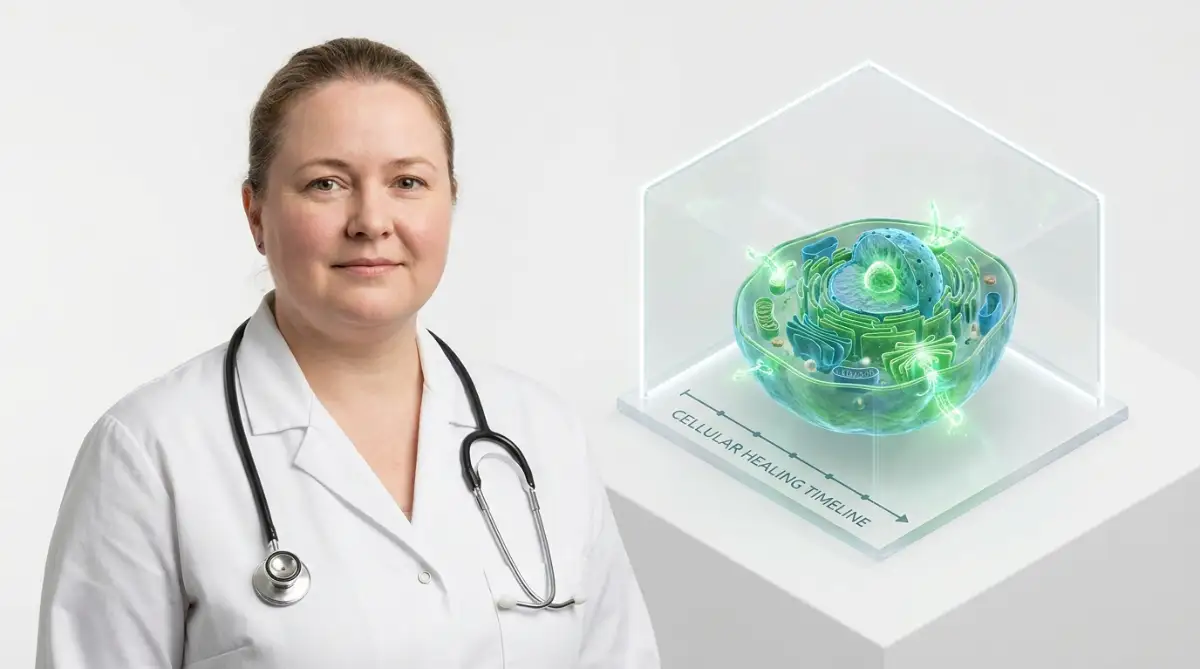
The Silent Saboteurs: Behaviors That Secretly Tear Your Stitches
Many patients mistakenly believe that if they are not actively bleeding, they are completely safe. This dangerous assumption leads to quiet, daily habits that slowly destroy the surgeon's hard work over time.
Let us look at a very common, highly destructive scenario that happens in homes every single day. Imagine a hardworking mother named Sarah who just had major abdominal surgery.
For the first four days, she rests beautifully in bed while her husband handles all the cooking and daily cleaning. By day five, her pain medication is working extremely well, and she feels a sudden burst of fake energy.
Sarah's Dangerous Mistake
She looks around the house, sees a massive pile of laundry, and decides to just "do one quick chore." She bends over, picks up the heavy laundry basket, and feels a tiny, sharp pull deep in her stomach.
She completely ignores it, thinking it is just a normal muscle cramp from lying in bed too long. In reality, that heavy lifting just snapped a deep internal stitch holding her abdominal wall together.
A week later, she ends up riding back to the emergency room with a painful, bulging internal hernia. We push ourselves too hard because we feel incredibly guilty about resting and watching others do our work.
This emotional guilt forces us to ignore our physical limits entirely, causing massive physical setbacks. You might also rush your recovery because you are terrified about missing work and losing your income.
The Heavy Cost of Financial Panic
Financial panic is a massive, unspoken enemy of proper medical healing. People will literally risk tearing their wounds wide open because they are heavily worried about falling behind on their monthly bills.
Your physical health and long-term mobility must always come before a temporary paycheck. Do not destroy your body just to appease a demanding boss or pay a utility bill a few days early.
Q&A: The "It Doesn't Hurt" Illusion
Question: "My incision feels totally numb and does not hurt at all right now. Can I start driving my car and lifting heavy things again?"
Answer: Absolutely not. The surgeon actually cuts through thousands of tiny, invisible nerve endings during the physical operation.
The numbness you feel is just temporary nerve damage, meaning your body’s natural alarm system is currently turned off. Because you cannot feel the pain warnings, you are incredibly likely to overstretch and destroy the healing tissues without knowing it.
According to global safety guidelines from the World Health Organization, patients must strictly follow postoperative timelines regardless of their personal pain levels. You must act like your body is a highly sensitive piece of technology right now.
Setting Strict Boundaries With Visitors
When well-meaning friends and neighbors constantly visit to check on you, they drain your social energy rapidly. You have to sit up, smile, and entertain them when your body desperately wants to sleep.
You have to establish strict, unapologetic boundaries to protect your personal healing space. Learning how to secure your cryptocurrency wallet from advanced phishing attacks requires building a digital fortress to keep internet thieves away.
In the exact same way, you must build a physical fortress around your bedroom to keep well-meaning visitors from stealing your required rest time. Tell your family to politely turn guests away at the front door until you are truly ready.
The Post-Op Constipation Trap
Another massive, rarely discussed mistake is completely ignoring your digestive system during the first week home. Heavy prescription painkillers completely paralyze your intestines and stop your natural digestion.
If you spend five days eating heavy foods without moving around, you will become severely, painfully backed up. When you finally go to the bathroom, you will naturally have to strain aggressively.
That heavy physical straining creates massive internal pressure that pushes directly against your new surgical repairs. This sudden pressure can easily burst your internal stitches wide open in an instant.
You must take a gentle stool softener every single day while you are consuming heavy pain medication. Drink a large glass of warm water every single morning to wake up your digestive tract safely and naturally.
Your Personal Blueprint For a Seamless Recovery
Recovering from a medical procedure does not have to be a terrifying game of pure guesswork. You now hold the exact same knowledge that professional rehabilitation nurses share with their private patients.
By deeply understanding how your body prioritizes tissue repair, you can completely remove the heavy anxiety from your daily routine. You are no longer wondering if you are accidentally hurting yourself every time you move.
Instead, you are confidently managing your physical movements and protecting your biological energy reserves. This simple change in your mindset gives you incredible power over your own health journey.
You know exactly why you need to sleep deeply, walk gently, and avoid the heavy temptation of household chores. You have built a safe, highly protective bubble around your physical body to ensure maximum healing.
Your Action Plan For Tomorrow Morning:
- Audit Your Sleep Environment: Tonight, make sure your bedroom is pitch black and perfectly quiet so your growth hormones can activate fully while you dream.
- Pace Your Movements: Do not stay frozen in bed all day, but absolutely do not lift anything heavier than a small paperback book. Take tiny, five-minute walking breaks around the living room to keep your blood flowing smoothly.
- Manage Your Mindset: Forgive yourself entirely for needing help right now. Stop looking at the messy house and focus entirely on knitting your broken tissues back together.
- Protect Your Digestion: Keep a massive bottle of fresh water next to your bed and sip it constantly throughout the afternoon. Take your stool softeners early to prevent any dangerous internal pressure from building up.
Your body is an incredibly brilliant biological machine that desperately wants to heal itself completely. It just needs you to provide a safe, calm environment and get out of its way.
Take a deep breath and give yourself full permission to be a resting patient today. Follow these smart, scientific guidelines, protect your energy, and watch your body perform an absolute miracle of healing over the next few weeks.
Looking back, surviving that long, frustrating recovery actually taught me how to finally slow down and treat my body with kindness. You can absolutely heal and get your normal life back if you just take it one day at a time, so please do not lose hope. Give yourself full permission to rest tonight, drink a large glass of water, and let your body perform its own healing miracle!
Common Questions About Surgical Recovery Mistakes
Why do I still feel so exhausted and sore weeks after my surgery?
Your body is spending a massive amount of energy rebuilding microscopic muscle fibers, blood vessels, and internal tissues from scratch. If you are not eating enough dietary protein or sleeping deeply, your internal repair systems will run out of fuel and drag out your recovery time.
Is it safe to stop taking my prescription pain pills early to avoid chemicals?
Stopping your pain medication too early can actually trigger a heavy stress response that floods your body with cortisol, which temporarily pauses cellular healing. Staying ahead of the pain keeps your nervous system calm and lets your immune system focus entirely on closing your wound.
Why should I avoid using rubbing alcohol or hydrogen peroxide on my surgical incision?
Rubbing alcohol and hydrogen peroxide are aggressive chemical agents that destroy the fragile new cells your body is trying to build to close the wound. Washing gently with warm water and mild unscented soap is all you need to keep the incision safe.
When is it actually safe to start lifting heavy objects again after an operation?
You must strictly follow your surgeon's timeline regardless of how good or numb you feel, because internal tissues heal much slower than surface skin. Feeling zero pain does not mean your internal stitches are strong enough to handle heavy laundry or grocery bags yet.
What causes severe constipation after an operation, and how can I fix it?
Heavy prescription painkillers completely slow down your intestinal tract and paralyze normal digestion during the first week at home. Taking a gentle daily stool softener and drinking plenty of warm water will help you avoid dangerous internal pressure and painful straining.
Disclaimer: The information provided in this article is for educational and informational purposes only and is strictly not intended as medical advice. Always consult with a qualified healthcare provider or your primary surgeon regarding any specific medical questions, unusual post-operative symptoms, or before making any changes to your prescribed recovery routine.