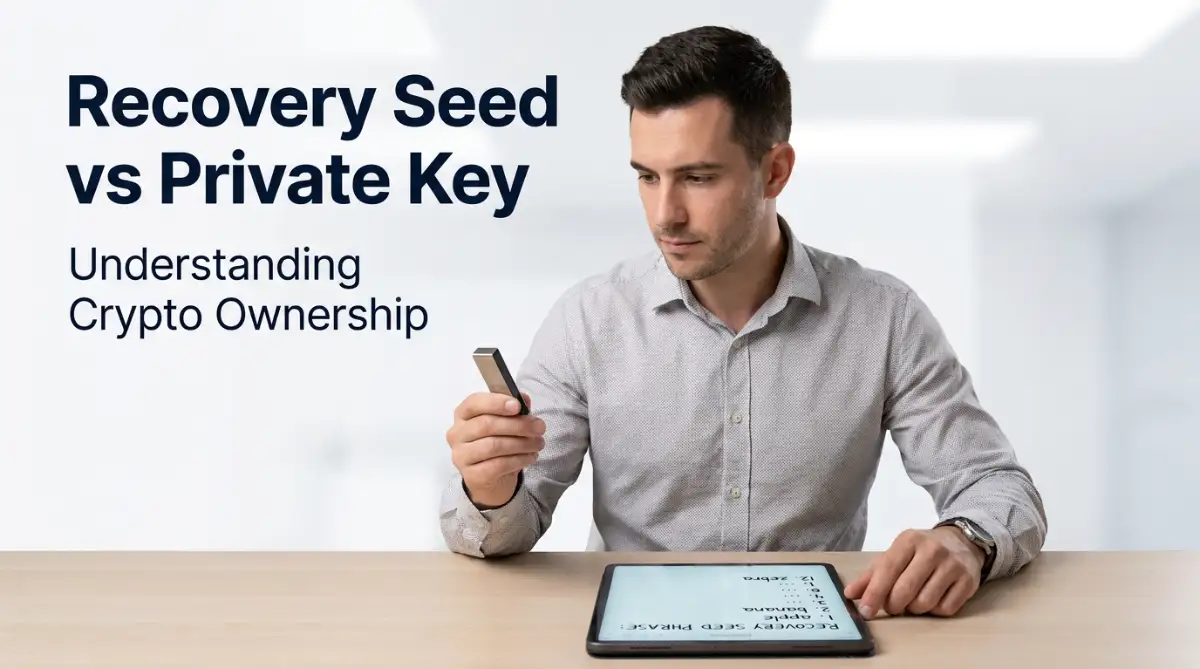
The Devastating Reality of Losing Your Digital Assets
I nearly threw up when I opened my crypto wallet and saw a balance of exactly zero. I had accidentally clicked a fake support link on Twitter the night before, and because I did not understand how smart contracts worked, I basically handed the thief my keys. If you own digital assets, this exact nightmare can happen to you if you are not careful. Let me show you how to lock down your digital property so you never have to panic like I did.
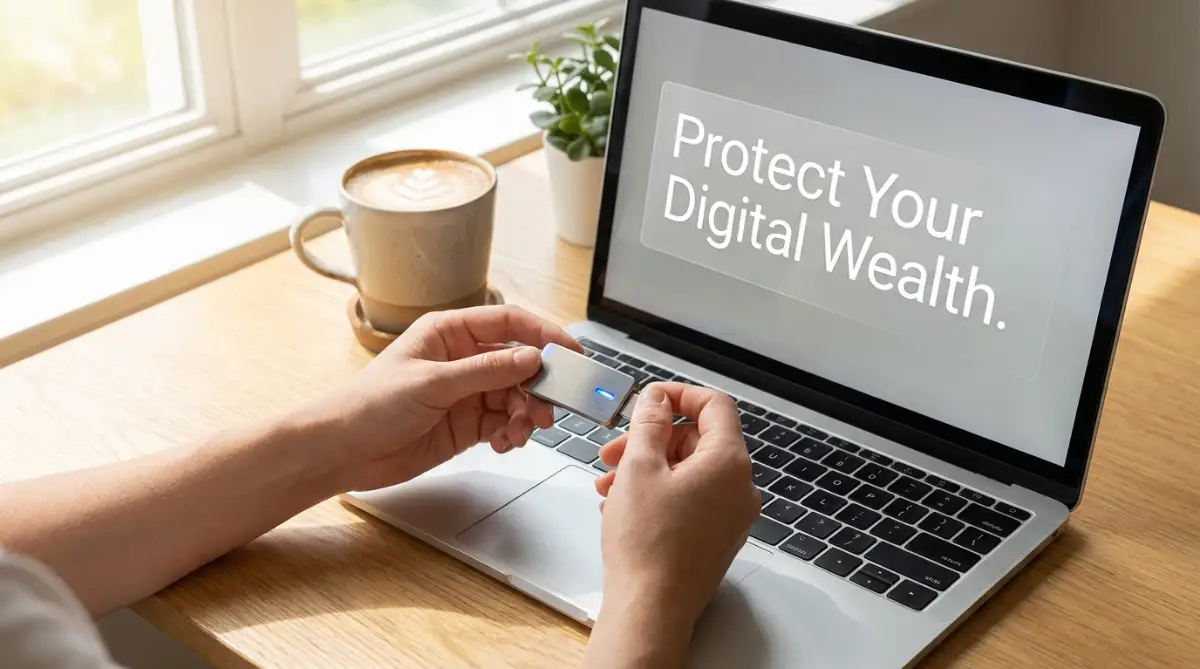
My 60-Second Wallet Protection Checklist
- Stop clicking links in emails or direct messages. Manually type the exchange URL and bookmark it.
- Never store your seed phrase digitally (no screenshots, no notes apps). Write it on paper and lock it in a safe.
- Use a physical hardware wallet for all major holdings so a remote hacker cannot touch your funds.
- Regularly check and revoke smart contract spend permissions to prevent backdoor hacks on your wallet.
Your Strategic Blueprint to Bulletproof Security
Securing your cryptocurrency does not rely on wishing for good luck. It certainly does not require an advanced degree in computer programming or cryptography.
True security relies entirely on creating strict personal habits and understanding how the technology asks for permission. If you learn the exact rules of the blockchain, you can easily organize your setup to force an impenetrable defense.
We are going to look at the three most practical, highly logical steps you must take right now. By following this strict scientific approach, you will secure your money and sleep peacefully every single night.
Step 1: Identify the Anatomy of a Modern Phishing Interface
The very first thing you must do is train your eyes to spot a digital trap. Modern phishing attacks no longer look like poorly written emails with terrible spelling mistakes.
Today, scammers create exact, pixel-perfect copies of the most popular cryptocurrency exchanges and wallet websites. They steal the official logos, the exact color codes, and the precise layout of the real platforms you trust.
Let us use a very practical analogy. Imagine walking down your local street and seeing your favorite bank building.
The signs are identical, the tellers wear the same uniforms, and the front door looks perfectly normal. But when you walk inside and hand the teller your cash, they take your money out the back door and disappear.
This is exactly how a homograph attack works on the internet. A scammer will buy a web domain that looks almost identical to the real website you want to visit.
For example, they might replace the regular letter "i" with a special foreign character that looks like an "i" but has a tiny, almost invisible dot underneath it. When you click a link from an email or a search engine advertisement, your brain assumes you are on the safe, official website.
You confidently type in your username and your secret password. The fake website immediately records your keystrokes, instantly sending your login details directly to the hacker's computer.
Your Actionable Advice for Today:
You must completely stop clicking on links found in emails, text messages, or direct messages. Even if an email looks like it came directly from the official security team, do not click the blue button inside the message.
Instead, open a brand new tab in your internet browser. Type the official website address manually using your own keyboard.
Once you know you are on the correct, authentic page, save it as a bookmark in your browser immediately. From that day forward, only use your saved bookmark to access your wallet or your exchange.
By refusing to use outside links, you completely eliminate the possibility of landing on a cloned, malicious website. You shut down the hacker's entire operation before they even get a chance to trick you.
Step 2: Isolate Your Seed Phrase from Digital Environments
Once you know how to avoid fake websites, you must protect your most highly important asset. In the world of cryptocurrency, your "seed phrase" or "recovery phrase" is the absolute center of your security.
A seed phrase is usually a random list of twelve or twenty-four English words generated when you first create a wallet. Many beginners deeply misunderstand what this list of words actually does.
Your seed phrase is not a simple password to log into an app on your phone. It is the absolute master cryptographic key that controls the actual ownership of your coins on the blockchain network.
Think of this practical analogy to understand its power. Imagine you own a massive physical safe filled with heavy gold bars.
You can put a dozen complex locks on the front door of the safe to keep burglars out. However, your seed phrase acts exactly like a magical spell that completely melts the walls of the safe away.
If a hacker gets their hands on those specific twelve words, they do not need your phone, your email, or your daily password. They can simply recreate your wallet on their own computer on the other side of the world and drain your funds in exactly five seconds.
The absolute biggest mistake people make is storing this master key in a digital format. They take a quick photo of the words with their smartphone or type the list into a cloud-based note application.
When you store your seed phrase on an internet-connected device, you make it highly vulnerable to background spyware and invisible data leaks. Hackers routinely scan cloud storage accounts specifically looking for pictures of twenty-four-word lists.
Your Actionable Advice for Today:
If your seed phrase is currently sitting in a digital file, you must delete it permanently today. You need to transition to a completely analog, offline storage method.
Take a clean piece of heavy paper or a durable notebook. Write down your specific recovery words carefully using a dark, waterproof pen.
Double-check every single spelling to ensure absolute accuracy. Once the list is written down, place that piece of paper inside a fireproof envelope or a waterproof protective sleeve.
Hide this physical document in a highly secure location inside your house, like a locked safe or a hidden security box. By keeping your master key completely disconnected from the internet, a digital hacker has absolutely zero mathematical way to steal your ultimate ownership rights.
Myth vs. Reality: Seed Phrase Security
- The Myth: Taking a quick screenshot of my seed phrase is safe because my phone is locked.
- The Reality: Phone cameras automatically upload photos to cloud servers. If your cloud account or phone is ever hacked, thieves will instantly find that picture and drain your wallet in seconds. Always write it down on physical paper.
Step 3: Implement Hardware-Level Physical Checkpoints
We have removed your master key from the internet and stopped you from clicking fake links. Now, we are going to add the ultimate, unbreakable layer of daily security to your workflow.
When you make a transaction on a normal software wallet, the approval process happens entirely in the background of your computer. If a piece of hidden malware infects your internet browser, it can easily alter the receiving address right before you click the send button.
You think you are sending money to your best friend, but the invisible software sends it directly to a thief instead. To completely stop this terrifying trick, you need to use a physical hardware checkpoint.
Let us look at a highly practical scenario.
Imagine throwing an exclusive party at a private nightclub.
You can print all the tickets you want inside the club, but nobody can actually walk through the front doors without passing the massive physical bouncer standing outside. A hardware wallet acts exactly like that massive, uncompromising bouncer.
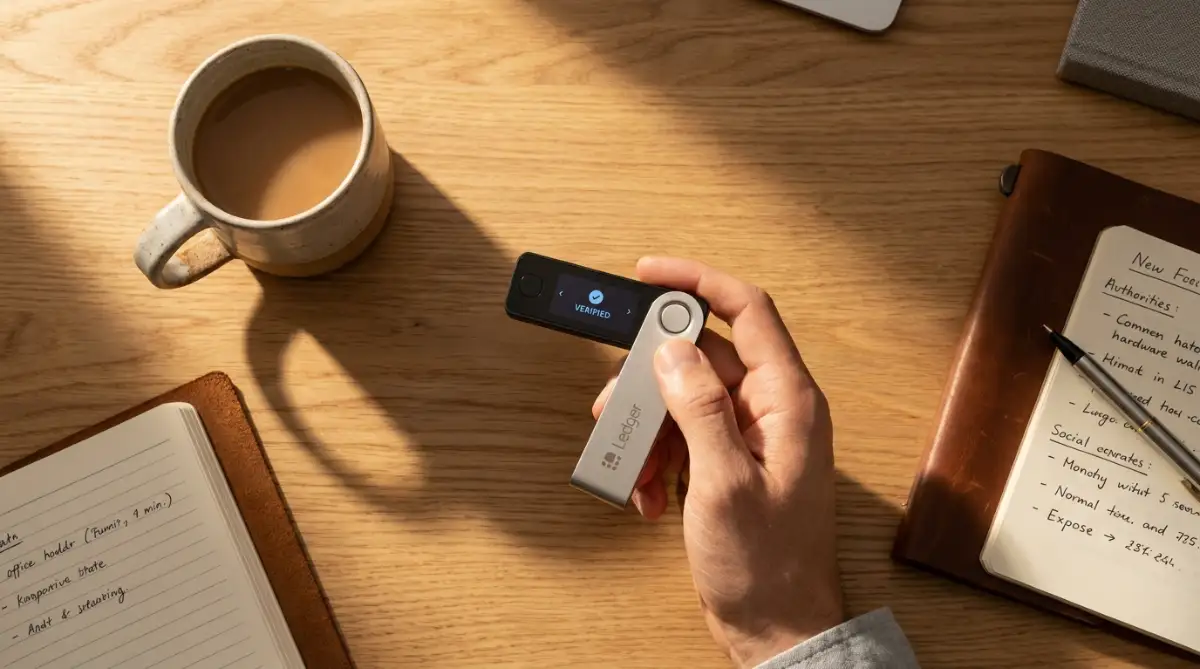
A hardware wallet is a small, physical electronic device that looks somewhat like a standard USB thumb drive. It stores your private keys deep inside an encrypted, offline microchip.
When you want to send your digital assets, you plug this physical device into your computer. You set up the transaction on your screen, but the money cannot physically leave your account yet.
The hardware device requires you to physically push a hard plastic button with your actual human finger to approve the transfer. The tiny screen on the physical device will display the exact destination address for you to verify.
Your Actionable Advice for Today:
If you hold a significant amount of digital wealth, you must transition to using an offline hardware device. Research a reputable, well-known hardware manufacturer that has been audited by professional security teams.
When your device arrives, always set it up as a completely new wallet and write down the new offline seed phrase. Transfer your funds from your vulnerable mobile application over to your newly secured hardware address.
A hacker sitting thousands of miles away in another country cannot physically reach through the internet and press the plastic confirmation button sitting on your desk. By forcing a physical human action for every single transaction, you make it mathematically impossible for a remote phishing attack to drain your account.
Choosing Your Hardware Wallet:
My absolute biggest mistake was taking a quick photo of my twenty-four-word recovery phrase because I was too lazy to find a pen and paper. I had no idea my phone was automatically uploading that photo to a cloud server, leaving my entire life savings completely exposed to automated hackers. The very day I finally deleted that photo, wrote the words on a piece of paper, and locked it in a fireproof safe, I slept peacefully for the first time in months.
Advanced Defense Tactics Against Invisible Hackers
You already know how to identify fake websites and why you must keep your recovery phrase completely offline. Now, we need to completely upgrade your technical defense strategy to a professional level.
I want to share the exact security habits that institutional investors use to protect millions of dollars in digital wealth. According to cybersecurity analysts at Investopedia, phishing attacks constantly adapt and evolve to bypass modern software filters.
Because hackers are always changing their methods, your personal defense system must be proactive rather than reactive. The Federal Trade Commission (FTC) frequently warns investors about the rising sophistication of blockchain fraud targeting everyday people.
Setting up a highly secure computer network requires discipline and precision. By taking a proactive approach to your cybersecurity, you can safely protect your digital wealth from remote attacks.
Step 4: The Dedicated "Burner Device" Strategy
One of the most dangerous things you can do is manage your cryptocurrency on the exact same computer you use for daily entertainment. Your daily laptop is highly exposed to thousands of random websites, email attachments, and social media links.
Every time you download a free software program or click a funny video link, you risk inviting hidden malware into your hard drive. If you type your wallet password on a compromised machine, a hidden keylogger instantly sends that password to a hacker.
Let me give you a very practical real-life analogy.
Imagine preparing a highly sterile surgical room for a major medical operation.
You would never allow people to eat messy sandwiches or play in the mud inside that sterile operating room. Your cryptocurrency management requires that exact same level of extreme sterility and cleanliness.
Your Actionable Advice for Today:
You need to purchase a cheap, entirely separate laptop or tablet that is used exclusively for financial transactions. We call this a dedicated burner device.
Do not install any video games, social media apps, or entertainment software on this specific machine. Only install the official wallet software and use a highly secure internet browser.
When you are not actively making a transaction, turn this device completely off and store it away. By physically separating your money from your daily internet browsing, you make it mathematically impossible for casual malware to infect your digital bank.
Step 5: Master Smart Contract Revocation Habits
Even if you use a secure hardware device, you can still lose your money if you do not understand smart contract approvals. When you use a decentralized exchange to swap tokens, the application asks for permission to access the funds inside your wallet.
To save you time in the future, these applications usually ask for an "unlimited spend approval." This means you are legally giving the computer code permission to withdraw an unlimited amount of tokens from your address at any time.
If that specific decentralized application gets hacked six months later, the hackers can use your old, forgotten approval to drain your account. You might be sleeping peacefully while a bad smart contract empties your entire life savings.
Here is a highly practical scenario to help you understand. Imagine giving a local valet driver the permanent master key to your luxury car.
They might park it safely today, but if they get robbed next year, the thief now holds the master key to your vehicle. You must take your keys back immediately after the transaction is completely finished.
Your Actionable Advice for Today:
You must build a strict habit of revoking smart contract permissions immediately after completing any token swap. There are many highly reputable, free blockchain explorer tools designed specifically for checking your active token approvals.
Connect your wallet to a trusted revocation tool and review the list of applications that currently have access to your money. Click the "revoke" button next to every single application you are not actively using today.
Making careless errors while managing your money is incredibly risky. Cleaning up your digital permissions on a regular basis is the only way to ensure your portfolio remains perfectly safe and untouched.
Establish a Professional Weekly Security Audit
Getting your security perfectly set up today is a great feeling of accomplishment. However, keeping your money safe is an ongoing, lifelong journey that requires a solid routine.
The absolute secret to long-term financial security is performing a simple, five-minute audit every single weekend. Your consistency is your strongest weapon against clever internet thieves.
Pick one specific day of the week, like Sunday morning, to sit down with a cup of coffee and review your digital footprint. Check your hardware device for any new, unexpected firmware updates released by the manufacturer.
Review your internet browser extensions to ensure no strange, unapproved add-ons were installed by accident. Keep a physical notebook logging your weekly checks so you never miss an important security step.

Five Fatal Security Traps That Will Drain Your Funds
Even highly intelligent people make terrible choices when they get lazy or overly confident with modern technology. The massive thrill of watching a coin go up in value often blinds investors to basic internet safety rules.
If you fall into these incredibly common traps, your bulletproof security setup will completely collapse. This frustrating cycle can easily ruin your financial future and destroy your retirement plans.
Here is exactly what you must avoid to keep your digital wealth completely safe from invisible predators.
Before you dive into the list of things you must avoid, watch this eye-opening video that breaks down the most common traps new investors fall into. It clearly explains the technical mistakes in plain English, so watch it carefully and then read the list below to fully secure your money!
1. Taking Digital Photographs of Your Recovery Phrase
When people create a new wallet, the software gives them twenty-four secret recovery words to write down. Because writing takes effort, many beginners simply take a quick picture of the screen with their smartphone.
This is an absolute disaster waiting to happen. If your computer or phone suddenly stops working and you have no physical backup, you will have to deal with the heavy stress of trying to figure out what to do if your hard drive crashed how to rescue your lost files before it's too late. The moment you take a photo, your smartphone automatically syncs that image to cloud storage servers like Apple iCloud or Google Drive.
Hackers routinely run automated scripts that scan millions of cloud accounts looking for pictures containing the words "seed phrase" or "recovery." Never let a digital camera lens look at your master key.
2. Trusting Search Engine Advertisements Blindly
When you want to download a specific wallet software, your first instinct is to type the name into a search engine. You naturally click the very first link that appears at the absolute top of the page.
Scammers frequently buy expensive advertising space to place their fake websites above the real, official websites. They copy the official logo and trick you into downloading a compromised version of the application.
Always scroll past the "Sponsored" tags on search engines and carefully read the actual web address before clicking. Better yet, find the official link from the project's verified social media profile. Downloading these fake apps is a major risk, just like making dangerous password management mistakes that leave your digital identity exposed to unknown servers.
3. Bragging About Your Portfolio on Social Media
When the market is booming, it is highly tempting to post screenshots of your massive profits on Twitter or Reddit. You want to share your financial success with your friends and followers.
This innocent bragging instantly paints a massive red target directly on your back. Hackers actively search social media for people posting large dollar amounts.
Once they identify you as a wealthy target, they will launch highly personalized, aggressive phishing attacks against your email and phone number. Always keep your financial success completely private and invisible to the public internet.
4. Using Public Wi-Fi for Financial Transactions
Imagine sitting in a busy coffee shop and deciding to quickly buy a new coin using the free, public internet connection. Public Wi-Fi networks are notoriously insecure and heavily monitored by bad actors.
A hacker sitting in the corner of the same coffee shop can easily intercept the data traveling between your laptop and the router. This is known as a "man-in-the-middle" attack.
They can secretly capture your passwords or alter your transaction details without you ever noticing. Always use a secure, private home network or a cellular data connection when handling your digital assets.
5. Blindly Signing Unreadable Contract Messages
When interacting with new web applications, a pop-up box will appear asking you to sign a digital message. Many users simply click the bright blue "Confirm" button without actually reading the text on the screen.
Scammers cleverly disguise malicious transactions as simple login requests or simple identity verifications. If you blindly sign a message you do not understand, you might be mathematically transferring ownership of your coins to a thief.
If the text in the signature box looks like random, confusing computer code, reject the transaction immediately and leave the website.
Your Master Plan for Unbreakable Financial Peace
Navigating the scary world of cryptocurrency security does not have to be an overwhelming or stressful experience. You now hold the exact same technical knowledge that professional security researchers use to defend millions of dollars.
By taking a few hours to separate your devices and clean up your smart contracts, you completely remove the heavy fear of getting hacked. You are no longer crossing your fingers and begging the internet to leave you alone.
Instead, you are confidently commanding your digital wealth behind an impenetrable, offline fortress. This simple shift in your mental approach gives you incredible power over your entire financial destiny.
You are fully capable of investing in digital assets without feeling paranoid, panicked, or confused by the technology. Remember that the blockchain is simply a financial tool that requires a strict, disciplined operator to function safely.
Like a sharp knife in a kitchen, it can help you build a beautiful meal, or it can cause massive damage if you handle it carelessly. Take a deep breath and start with the very first step today.
Delete any digital photos of your seed phrase, revoke your old smart contracts, and buy a cheap burner device for your trading. You have the total ability to handle digital money smoothly and intelligently from the comfort of your home.
Protect your private keys, read every transaction prompt slowly, and take complete, fearless control of your financial future starting right now.
Looking back, losing my first crypto portfolio taught me to treat my digital security with absolute respect. You can easily build a fortress around your money without needing a computer science degree, so do not let the fear of hackers push you away. Just take a deep breath, grab a pen, write down your offline recovery phrase tonight, and take back control of your financial freedom!
Common Questions About Securing Your Digital Assets
What is a cryptocurrency seed phrase and why is it so important?
Your seed phrase is a random list of twelve to twenty-four words that acts as the ultimate master cryptographic key to your digital wallet. Whoever holds these specific words has absolute ownership of your coins on the blockchain, which is why you must always keep them completely offline.
Is it safe to store a photo of my seed phrase on my smartphone?
No, storing a picture of your recovery phrase on your phone is extremely dangerous because it automatically syncs to cloud storage accounts. If a hacker breaches your cloud account or if spyware scans your gallery, they can instantly steal your entire portfolio.
How does a hardware wallet protect my crypto from hackers?
A hardware wallet stores your private keys deep inside an offline physical device that a remote hacker cannot reach over the internet. To complete any transfer, you must physically press a hard plastic button with your actual human finger, ensuring you always approve every single transaction.
Why should I avoid clicking search engine ads when downloading a crypto wallet?
Scammers frequently buy sponsored search engine advertisements to place fake, cloned websites at the very top of the results page. Clicking these malicious links can trick you into downloading a compromised wallet application designed to steal your login details.
What are smart contract approvals and why do they pose a risk?
When you use decentralized applications to trade tokens, you give them code permission to access the funds inside your wallet. If an application you used months ago gets hacked, hackers can use your old approval to drain your account unless you manually revoke those permissions.
Financial & Health Disclaimer:
The content provided on globalsinfo regarding finance, crypto, real estate, health, and legal topics is strictly for informational and educational purposes only. We are not licensed financial advisors, doctors, or attorneys. Any decisions made based on our articles are at your own risk. Always consult with a certified professional before making any financial or health-related decisions[1].
FTC Affiliate & Earnings Disclosure:
We may receive compensation when you click on links to our affiliate partners or complete third-party offers. This financial compensation helps us maintain the site to provide free educational content, but it does not affect our reviews or recommendations[1].