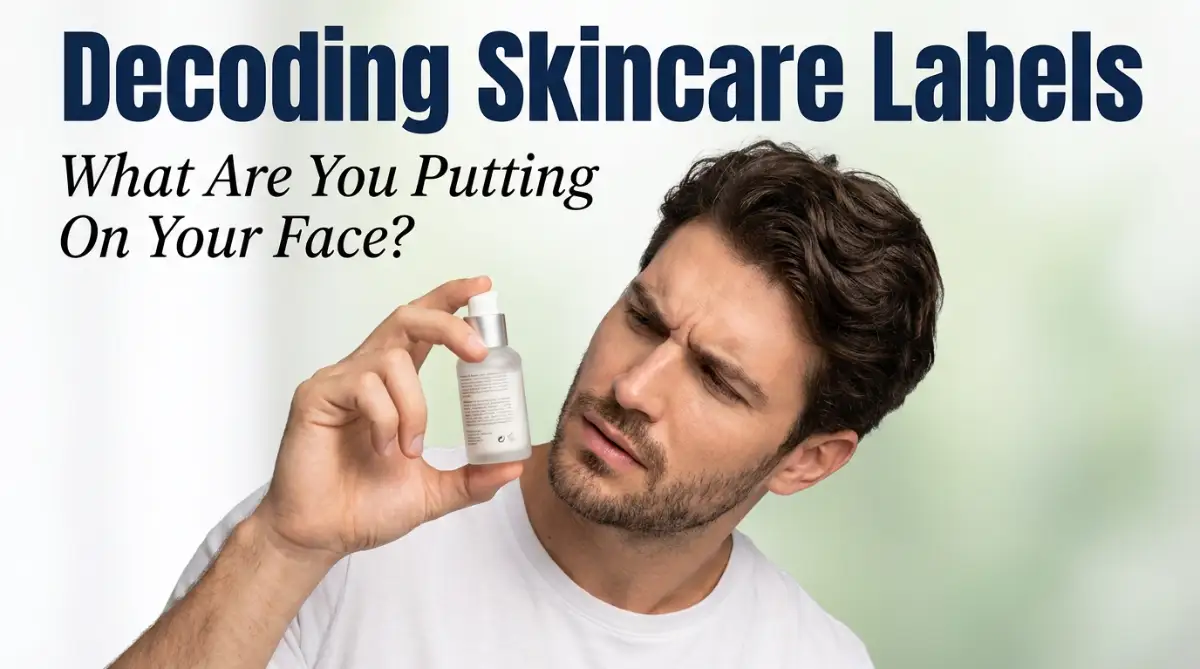
Have you ever flipped over a bottle of face cream and felt like you were trying to read an alien language? I used to just grab whatever looked pretty on the shelf, until a so-called "natural" moisturizer left my face covered in angry red bumps. That was my wake-up call to stop trusting the shiny marketing claims and start decoding the tiny scientific words on the back. Today, I am going to share my personal cheat sheet for spotting hidden chemicals, so you never waste your hard-earned money on toxic skincare again.
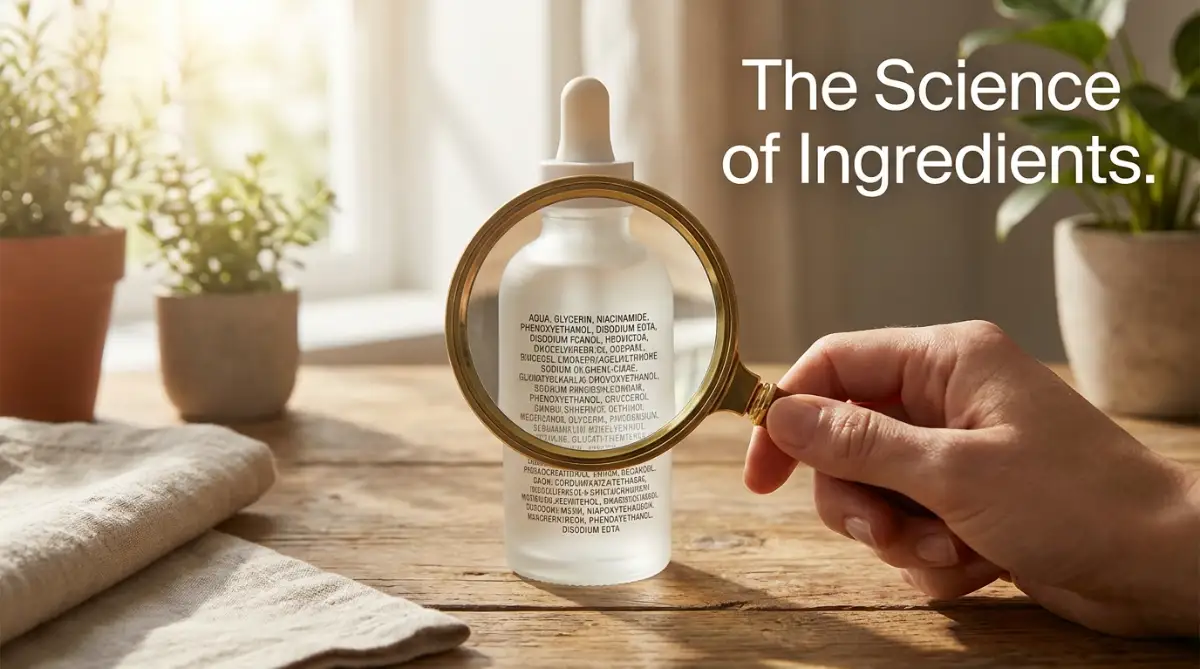
In a Rush? Here is Your Skincare Label Cheat Sheet:
- The first five ingredients usually make up 80% of the formula—always judge a product based on those top spots.
- "Fragrance" or "Parfum" is a legal loophole that can hide thousands of irritating chemicals; stick to fragrance-free options if you have sensitive skin.
- Avoid foaming face washes with harsh sulfates (like SLS), as they aggressively strip your face of its natural moisture barrier.
- Always check the tiny open-jar symbol (PAO) on the back of the bottle to know exactly when your cream expires and becomes unsafe to use.
The FDA Loophole: Why Labels Are So Confusing
Before you can spot the dangerous ingredients, you have to understand why cosmetic labels look so incredibly complicated in the first place. You might assume that companies use these long names specifically to trick you.
While some companies definitely try to hide cheap ingredients, the actual reason for the complex language is a strict federal law. According to regulations established by the guidelines from the U.S. Food and Drug Administration (FDA) cosmetic companies are legally required to use the official scientific name for every single ingredient.
This standardized naming system is called the International Nomenclature of Cosmetic Ingredients (INCI).
The Salt Water Analogy:
Imagine you want to sell a simple bottle of salt water. You cannot just write "Salt and Water" on the label.
By law, you have to write Aqua (the official INCI name for water) and Sodium Chloride (the official INCI name for salt). The product is perfectly safe and natural, but the label makes it sound highly artificial and terrifying.
Because of this strict legal requirement, you cannot simply panic every time you see a long, hard-to-pronounce word. You have to learn how to actively translate the INCI code into plain English.
Let us look at the fundamental rules of how to read the back of the bottle like a professional dermatologist.
The Rule of Descending Order: Where Is the Truth?
The absolute most important secret to reading a skincare label is understanding the order of the ingredients. Companies cannot just list their ingredients randomly or put the best-sounding ingredients at the top of the list.
By law, ingredients must be listed in descending order of concentration. This means the ingredient that weighs the most is listed first, and the ingredient that weighs the least is listed last.
How to Use This Rule Today:
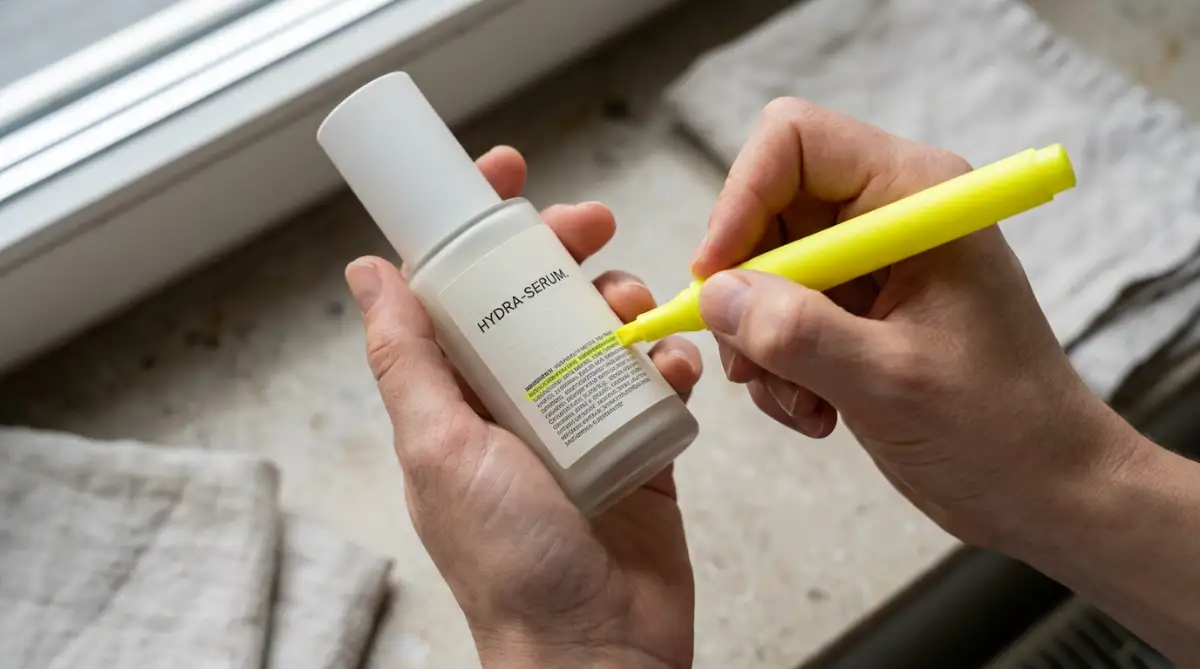
When you pick up a bottle of lotion, only look at the very first five ingredients. These top five items usually make up around eighty percent of the entire product.
If the front of the bottle advertises "Made with Pure Argan Oil," but Argania Spinosa Kernel Oil is listed at the very bottom of the ingredient list, you are being scammed by the marketing department. The company likely added a single, tiny drop of the expensive oil just so they could legally print the word on the front label.
Always judge the actual value and safety of a product based strictly on the first five ingredients, not the shiny marketing text on the front of the box.
My absolute biggest mistake early on was buying a premium serum because the front label claimed it was "packed with pure vitamin C." I did not realize that the active vitamin C was listed at the very bottom of the ingredient list, meaning there was barely a single drop of it inside the entire bottle. The very second I started judging products strictly by their first five ingredients, my skin cleared up and I stopped wasting hundreds of dollars on cheap fillers.
Quick Check: Myth vs. Fact on Skincare Labels
- Myth: If a product says "Dermatologist Tested," it means it is 100% safe for my skin.
- Fact: "Tested" just means they put it on someone's skin; it does not mean it actually passed the test! Always trust the real ingredient list over the front-of-box claims.
- Myth: If an ingredient name is hard to pronounce, it is definitely a toxic chemical.
- Fact: Not at all! Butyrospermum Parkii sounds incredibly scary, but it is literally just the official scientific name for natural Shea Butter.
Identifying the "Chemical Fillers" vs. "Active Ingredients"
To truly understand what a product is going to do to your skin, you have to separate the active workers from the cheap biological fillers.
Active Ingredients are the specific chemicals that physically change your skin. For example, Salicylic Acid actively dissolves acne, and Hyaluronic Acid actively pulls water into your dry cells.
Filler Ingredients are the cheap, bulky liquids and waxes that carry the active ingredients onto your face. They dictate how the lotion feels, smells, and spreads, but they do not actually heal your skin.
If you are paying fifty dollars for a premium anti-aging cream, but the first three ingredients are just cheap fillers like Water (Aqua), Mineral Oil (Paraffinum Liquidum), and synthetic wax, you are wasting your money.
Pro Tip / Expert Insight:
Many beginners panic when they see the word "Acid" on a skincare label. In chemistry, the word acid simply means a substance with a low pH level. Hyaluronic Acid is a perfectly safe, natural sugar found inside your own eyeballs and joints. Ascorbic Acid is just vitamin C. Do not let the scary word prevent you from using highly effective, safe hydration products.
Spotting the Dangerous "Fragrance" Loophole
Now that you know how to find the good ingredients, we must look at the single most dangerous word on any cosmetic label. That word is simply "Fragrance" or "Parfum."
You might think that seeing the word fragrance just means the lotion will smell like nice, fresh roses. This is a massive, heavily guarded corporate secret that ruins millions of complexions every year.
Under current federal trade secret laws, a company does not have to tell you what specific chemicals they used to make that specific smell. The single word "Fragrance" can legally hide a mixture of over three thousand different, highly toxic chemical compounds.
The Trojan Horse Scenario:
Imagine buying a beautiful wooden horse, completely unaware that heavily armed soldiers are hiding inside its stomach. The word fragrance acts exactly like that wooden horse.
Many of the hidden chemicals used to create artificial smells are known endocrine disruptors. This means they actively seep through your skin, enter your bloodstream, and completely mess up your natural hormones.
They are the leading cause of sudden, severe allergic reactions, aggressive contact dermatitis, and painful chronic eczema.
Your Actionable Strategy:
If you have sensitive skin or constantly deal with mysterious rashes, you must become absolutely ruthless about this single word. Turn the bottle around and scan the very bottom of the ingredient list.
If you see the word "Fragrance" or "Parfum," put the bottle back on the shelf immediately. Always look for products that specifically state they are "100% Fragrance-Free," not just "Unscented."
(Note: "Unscented" is another marketing trick. Unscented products actually contain heavy masking chemicals to hide the ugly smell of the raw ingredients. Only "Fragrance-Free" guarantees a truly clean, chemical-free product.
The Safe vs. Sketchy Cheat Sheet
Whenever I go shopping, I keep this quick mental list handy. Feel free to take a screenshot of this simple table for your next pharmacy run:
Advanced Strategies for Identifying Hidden Preservatives
Once you understand the basic order of ingredients and how to spot synthetic fragrances, we must look much deeper into the actual preservation chemistry. Your skincare bottle is essentially a dark, wet environment filled with organic materials like plant oils and water.
Without a strong chemical defense system, that specific bottle would grow thick, black mold within five days of opening it. According to the cosmetic safety guidelines published by the Environmental Working Group (EWG), preservatives are absolutely necessary, but not all preservatives are created equal.
You must learn to distinguish between safe, gentle stabilizers and highly aggressive, outdated industrial chemicals. Research shared by clinical dermatologists at the American Academy of Dermatology (AAD) reveals that specific older preservatives are the leading cause of severe allergic contact dermatitis globally.
Knowing how to spot these aggressive chemicals is incredibly important before you apply any new cream to your sensitive skin. Many consumers trust popular television commercials instead of reading actual medical dermatology guides.
You must avoid these aggressive ingredients just as you would avoid the silent DIY solar mistakes that destroy your home insurance payout to protect your wealth and peace of mind. Additionally, you must actively protect your skin from invisible environmental damage.
Just as bad software configurations lead to unseen security flaws hidden inside popular free productivity applications, bad daily habits leave your skin completely exposed to dangerous UV rays. Let us explore the advanced, pro-level secrets you can use to build an unbreakable wall of protection around your daily skincare routine today.
Exposing the Paraben Family
For decades, the absolute cheapest and most popular way for companies to preserve lotions was by using a family of chemicals called parabens. You will see them listed on older or cheaper products as Methylparaben, Propylparaben, or Butylparaben.
While they are incredible at stopping mold from growing in a bottle, they are heavily suspected of acting as powerful endocrine disruptors inside the human body. They easily absorb through the skin and mimic the hormone estrogen, which can completely throw your natural internal balance into chaos.
The Safe Alternative Strategy:
Modern, high-quality skincare brands have completely abandoned parabens. Instead, they use much safer, food-grade preservatives to keep their products fresh.
When you scan the bottom of an ingredient list, actively look for safe alternatives like Phenoxyethanol, Sodium Benzoate, or Potassium Sorbate. These specific chemicals are highly effective at preventing bacterial growth but are large enough in molecular size that they do not easily penetrate deep into your bloodstream.
By specifically choosing products that use these safe alternatives, you protect your long-term hormonal health without sacrificing the shelf life of your favorite moisturizer.
Decoding the Hidden Foaming Agents (Sulfates)
If you use a face wash that creates a massive, satisfying cloud of white foam, you are likely using a product packed with sulfates. The most common and aggressive foaming agent in the world is called Sodium Lauryl Sulfate (SLS).
SLS is the exact same harsh chemical used in industrial garage floor cleaners and heavy-duty car wash soaps. It is an incredibly cheap ingredient that completely strips away every single drop of natural oil from a surface.
The Dish Soap Analogy:
Think of washing your face with SLS like washing a delicate silk shirt with heavy-duty dish soap. The soap will certainly remove any stains, but it will also permanently destroy the soft, delicate fibers of the silk.
When you use SLS on your face, it aggressively rips away your natural lipid barrier, leaving your skin feeling tight, shiny, and physically painful to touch. Your skin will panic and try to compensate by overproducing massive amounts of thick, sticky sebum, leading directly to a massive acne breakout the next morning.
Your Actionable Strategy:
You must throw away any face wash that contains Sodium Lauryl Sulfate or Sodium Laureth Sulfate. Replace it immediately with a gentle, non-foaming cream cleanser or an oil-based cleanser.
Look for safe, coconut-derived cleansing agents like Cocamidopropyl Betaine or Decyl Glucoside. These gentle ingredients easily dissolve dirt and makeup while leaving your skin's protective moisture barrier perfectly intact.
Silent Cosmetic Mistakes That Will Destroy Your Complexion
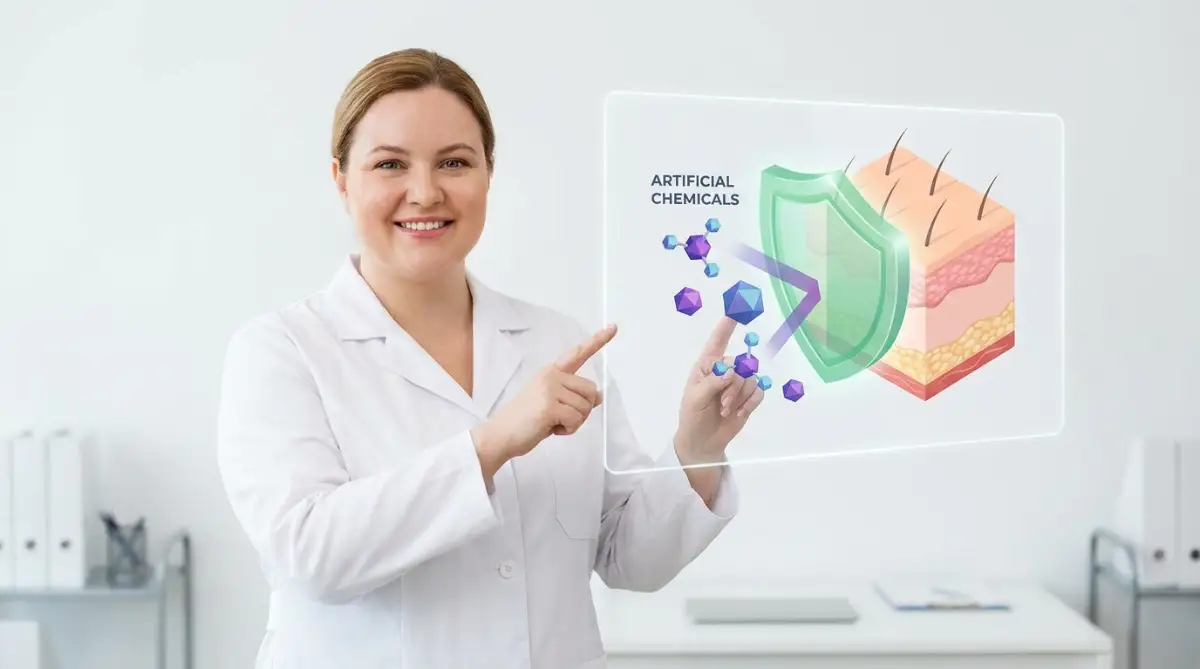
Before you buy another product with a green leaf on the cover, watch this highly helpful video that shows you the exact cosmetic mistakes and label traps that quietly ruin your skin. It breaks down the most dangerous ingredients in a simple, visual way, so check it out and then read the guide below!
Even highly intelligent shoppers make terrible choices when they are feeling desperate to fix an immediate skin problem like acne or severe dryness. The heavy emotional stress of dealing with an unexpected breakout often blinds us to basic scientific logic.
If you fall into these incredibly common traps, you will severely damage your skin's natural healing ability. This frustrating cycle can easily ruin your daily confidence and force you to spend thousands of dollars on expensive dermatology appointments.
Here is exactly what you must avoid to keep your skin safe, calm, and perfectly healthy.
The "All Natural" Marketing Illusion
One of the most dangerous mistakes consumers make is blindly trusting a product simply because the box has the word "Natural" printed in big green letters. In the cosmetic industry, the word "natural" is completely unregulated by the government.
A company can legally fill a bottle with ninety-nine percent cheap, synthetic mineral oil, add a single drop of natural green tea extract, and legally call the product "Natural."
You might think you are buying a pure, healthy product, but you are actually rubbing refined crude oil directly into your pores. If you rely on these fake natural products, your skin will quickly become congested, dull, and highly irritated.
Maintaining your skin's true health requires you to be a strict investigator. Just like using natural home remedies to fix extremely dry and flaky skin heals your face gently with actual raw ingredients, keeping a clean skincare routine protects your physical appearance.
Never buy a product based on the front label; always turn the bottle around and let the actual INCI ingredient list dictate your purchasing decision.
DO's and DON'Ts For Safe Skincare Shopping:
- DO check the first five ingredients to determine the actual base of the product.
- DO NOT ever buy a product that lists "Fragrance" or "Parfum" near the bottom of the list.
- DO choose gentle, non-foaming cleansers to protect your natural lipid barrier.
- DO NOT mix strong chemical exfoliants like AHAs with Retinol in the exact same routine.
Ignoring the Expiration Symbol (The PAO Jar)
Many people have a dark corner in their bathroom cabinet filled with half-empty lotions and serums they bought three years ago. When their skin feels dry, they reach into the back of the cabinet, open an old jar, and apply the thick cream to their face.
This is a massive biological hazard. Every single cosmetic product has a specific expiration date, and using expired skincare is exactly like drinking expired milk.
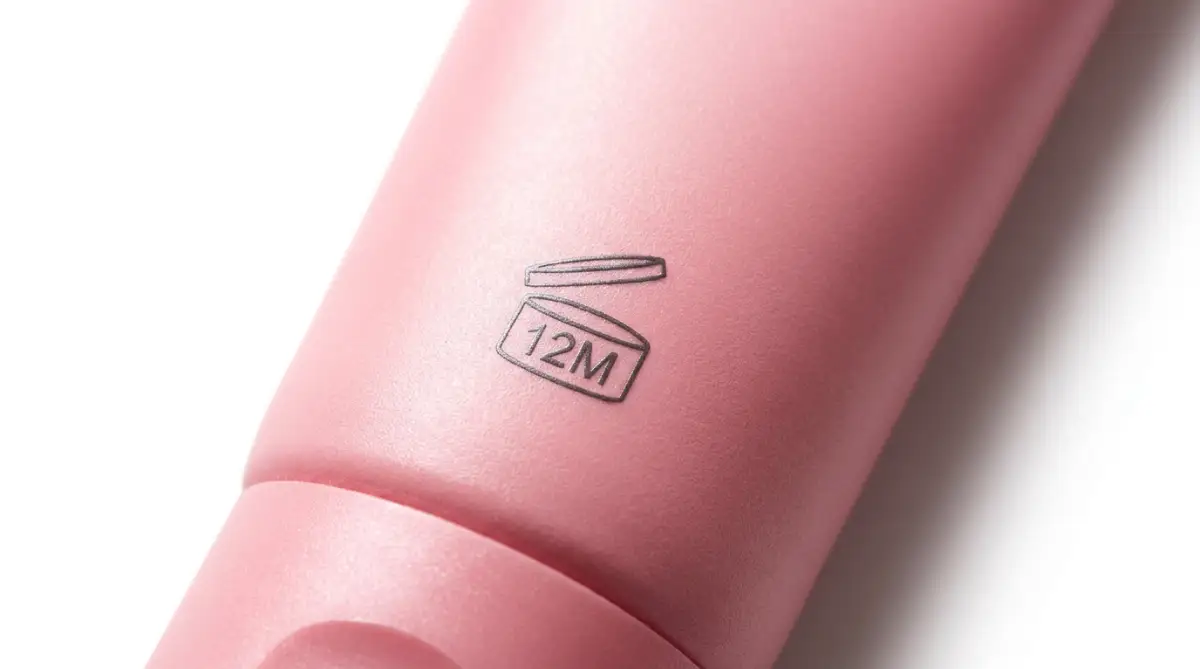
If you look at the back of any cosmetic bottle, you will see a tiny symbol that looks like an open jar with a number inside it, such as "12M" or "24M." This is the Period After Opening (PAO) symbol.
It tells you exactly how many months the product remains safe and active after you break the physical seal.
If you use a face cream that has been open for three years, the chemical preservatives have completely failed. The jar is now a breeding ground for dangerous, invisible bacteria and black mold.
Always take a permanent marker and write the exact date you opened the product directly on the bottom of the bottle to keep yourself safe.
A Word from the Expert: Your New Skincare Standards
Decoding the complex chemical language on the back of your beauty products does not have to be a scary, mysterious, or overwhelming experience. You now hold the exact same strategic knowledge that professional cosmetic chemists use to formulate high-end brands.
By taking a few short minutes to read the first five ingredients, spot hidden fragrances, and avoid harsh sulfates, you completely remove the fear of damaging your skin. You are no longer crossing your fingers and hoping a massive corporation is looking out for your health.
Instead, you are confidently commanding your own daily routine and protecting your body from toxic exposure. This simple shift in your shopping habits gives you incredible power over your entire physical well-being.
Your Bathroom Cabinet Audit For Tonight:
- Check the Front Runners: Grab your favorite daily moisturizer and read the first five ingredients. Ensure the base is built on water or natural plant oils, not cheap mineral oil.
- Hunt for Hidden Fragrance: Look at the very bottom of the list on your face wash and throw it away if it contains the generic word "Parfum."
- Audit Your Expiration Dates: Find the tiny PAO open-jar symbol on all your products and throw away anything that has been open longer than twelve months.
- Switch Your Cleanser: If your face feels tight and squeaky after washing, replace your harsh sulfate cleanser with a gentle, hydrating alternative tomorrow.
Your skin is a highly intelligent, living organ that protects you from the harsh outside world every single day. Do not let basic shopping laziness or clever marketing tricks force you into absorbing dangerous chemicals.
Read your ingredient labels slowly, manage your daily routines carefully, and take complete, fearless control of your long-term skin health starting right now.
Looking back, taking the time to decode these complex chemical labels did not just save my skin—it completely cured my daily shopping anxiety and put the power back in my hands. You do not need to have a degree in advanced chemistry to protect your body from dangerous cosmetics, so please do not let the scary words stop you from taking action today. Audit your bathroom cabinet tonight, throw away those hidden fragrances, and take complete, fearless control of your healthy skin journey today!
Common Questions About Reading Skincare Labels
Why do cosmetic ingredient lists use such complicated scientific names like Aqua and Tocopherol?
Cosmetic companies are legally required by federal regulations to use the official scientific naming system called INCI (International Nomenclature of Cosmetic Ingredients). This means simple, safe items like water and vitamin E must be listed by their universal chemical names, which can make them sound intimidating.
What is the most important rule to remember when checking a skincare product's label?
The most crucial rule is to look strictly at the first five ingredients on the list, which make up about eighty percent of the entire product. If an expensive ingredient advertised on the front of the box is listed at the very bottom, it means the product is mostly cheap filler.
Why is the word "Fragrance" or "Parfum" considered dangerous on a cosmetic label?
Under current trade secret laws, a company does not have to disclose the specific chemicals used to create a scent, allowing the single word "Fragrance" to hide thousands of toxic compounds. These hidden chemicals act as endocrine disruptors that can easily trigger severe allergies, contact dermatitis, and hormonal imbalances.
What is the difference between "Unscented" and "Fragrance-Free" skincare products?
"Unscented" products actually contain hidden masking chemicals designed to neutralize the unpleasant raw smell of the ingredients, meaning they are not chemical-free. Only products labeled explicitly as "Fragrance-Free" guarantee a truly clean formulation without hidden scent additives.
How do I know when my skincare products expire and become unsafe to use?
You can check the Period After Opening (PAO) symbol on the back of any cosmetic bottle, which looks like a tiny open jar with a number like "12M" or "24M" inside. Using creams past this timeframe means the chemical preservatives have failed, turning your jar into a breeding ground for bacteria and mold.
Disclaimer: The information provided in this article is for educational and general informational purposes only and does not constitute professional dermatological, medical, or chemical formulation advice. Skincare reactions, chemical sensitivities, and individual allergies vary heavily by person, genetic background, and specific environmental factors. Always consult with a board-certified dermatologist, licensed esthetician, or primary healthcare provider regarding the exact safety requirements, allergy testing, and product suitability for your personal skin type.