Have you ever stared out your office window on a rainy Monday morning, dreaming about ditching your commute to work from home? If you do not have a computer science degree, the remote job market can feel like a locked vault. But the truth is, remote companies urgently need everyday operational skills, not just coders. Let me show you how to translate your local experience into a high-paying remote career without going back to school.
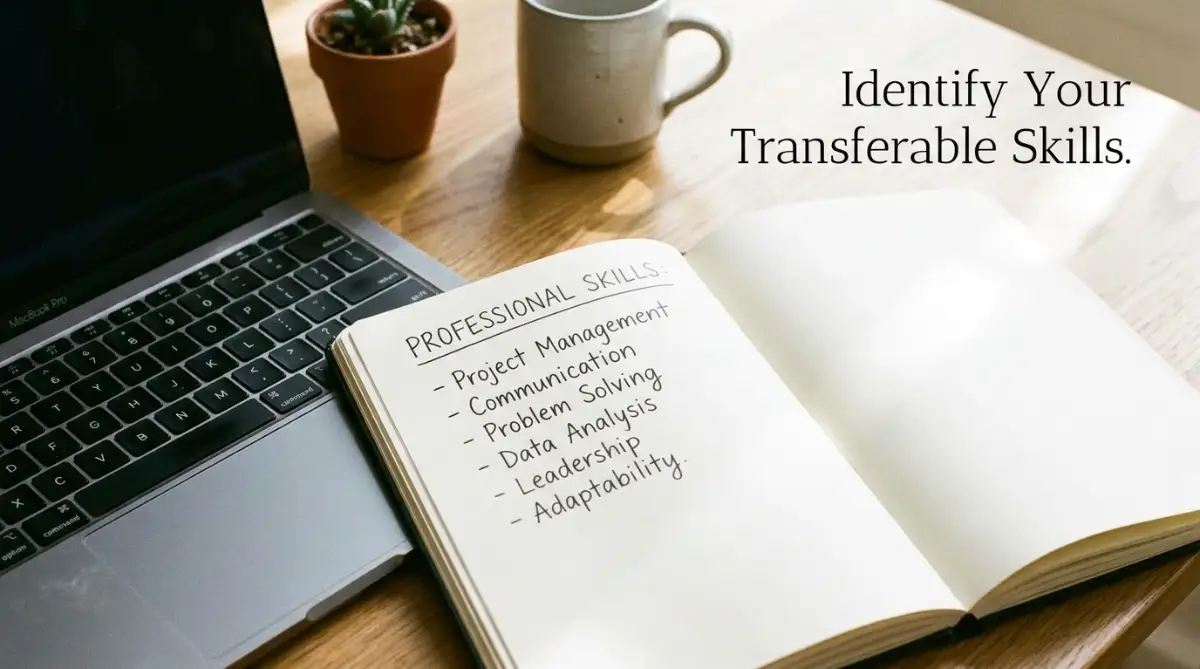
📌 Quick Summary: How to Land a Remote Job
- Translate Local Skills: You do not need a tech degree. Retail, teaching, and admin skills easily translate into high-demand remote support roles.
- Bypass the ATS Robot: Avoid fancy graphic resumes. Use a clean, single-column text format loaded with exact keywords from the job description.
- Build a Micro-Portfolio: Show, do not just tell. Create mock projects (like a cleaned-up calendar or sample emails) to prove your self-discipline.
- Spot the Scams: Never pay an employer for training materials or software, and always avoid unverified interview apps like Telegram.
The Hidden Vault: Translating Your Local Skills Into Digital Wealth
The absolute biggest mistake people make when trying to transition into a remote career is assuming they have to go back to school to learn computer programming. They look at job boards filled with listings for "Software Engineers" and "Cloud Architects," and they assume the remote world is only for tech geniuses.
This is a massive, highly expensive misunderstanding. While tech companies certainly hire programmers, they also need a massive army of non-technical professionals to manage their daily operations, assist their customers, and organize their digital files.
Your past work history is likely packed with highly valuable, non-technical skills that remote employers are actively searching for. You just need to learn how to translate those local skills into digital language.
Expert Insight: The Non-Tech Advantage
Remote hiring managers often look for EQ (emotional intelligence) and clear written communication over technical coding skills. If you can handle an angry customer or organize a chaotic schedule, you already have the core traits of a successful remote worker.
The Translation Analogy:
Think of your career transition exactly like moving to a foreign country. You do not need to invent a completely new language from scratch to survive; you just need to translate your current vocabulary so the local citizens can understand you.
If you worked as a manager at a local retail store, do not write "opened the shop and managed the cash register" on your resume. Instead, write: "Coordinated daily operations, resolved complex customer disputes, and managed real-time inventory databases to ensure business efficiency."
This simple change in language instantly tells the remote hiring manager that you have excellent communication, problem-solving, and organization skills. It proves you have the exact administrative foundation needed to manage a digital workspace.
Identifying the Easiest Non-Technical Entry Points
When you are starting from zero, you must be highly strategic about the types of roles you target. You cannot afford to waste your time applying for highly competitive positions that require years of remote experience.

You need to focus on entry-level remote roles that have a low barrier to entry and are always in high demand across almost every industry. Let us look at the three best entry-level paths for beginners.
1. Customer Support Specialist
If you have a friendly personality and enjoy helping people solve problems, this is one of the absolute best ways to start your remote career.
As a customer support specialist, your job is to answer customer questions via email, live chat, or phone. Companies will gladly train you on how to use their specific products, so you do not need any prior technical experience to get hired.
2. Digital Virtual Assistant
Busy executives, online business owners, and startup founders are constantly overwhelmed by administrative tasks. They desperately need organized people to manage their emails, schedule their meetings, and coordinate their calendars.
If you are highly organized and can manage your time independently, you can easily find work as a virtual assistant. This role allows you to gain valuable experience in the online business world while working directly with company leaders.
3. Online Operations and Data Entry
Many businesses have massive amounts of raw data that must be entered into their systems, updated in their databases, or organized for their sales teams.
If you can type quickly, have great attention to detail, and can use basic spreadsheet tools like Microsoft Excel, data entry is a highly accessible path. This role requires almost zero customer interaction, making it perfect for introverted people who want a quiet, focused work environment.
Rebuilding Your Resume for the Digital Eyes of Underwriters
Once you have identified your transferable skills and chosen your target role, you must rebuild your resume. The biggest mistake beginners make is using highly colorful, graphic-heavy resume templates they find on the internet.
While these templates look beautiful to human eyes, they are an absolute disaster for the automated systems used by modern hiring departments. These systems are called Applicant Tracking Systems (ATS).
The ATS software scans your resume for specific keywords before a human ever looks at it. If you use columns, custom graphics, or non-standard fonts, the software's reader will get confused, and your resume will go straight into the digital trash can.
Your Actionable Strategy:
You must create a clean, simple, single-column text resume using standard fonts like Arial or Times New Roman. Save your resume as a clean PDF or a Word document.
Read the job description of your target role slowly and carefully, identifying the exact keywords they use. If the description says "ticketing system" or "data organization," write those exact words directly into your skills section.
Matching your resume keywords to the job description ensures that your application passes the automatic check and reaches a real hiring manager. It is a highly effective, simple way to secure an interview.
My absolute biggest mistake early on was sending out the exact same colorful, graphic-heavy resume to fifty different remote job listings because I wanted to save time. I did not realize that the automated Applicant Tracking System (ATS) was blocking my application instantly because I lacked the specific keywords they wanted. The very second I started using a clean, single-column text format and customizing my resume keywords to match the exact wording of the job description, my inbox finally started filling up with interview requests.
Establishing Trust: The Micro-Project Strategy
When you have zero remote experience, the employer's biggest fear is that you will not know how to manage your time independently. They worry that without a boss watching you in a physical office, you will get distracted and fail to complete your work.
To destroy this doubt, you must proactively show them proof of your self-discipline. You can do this by building a portfolio of small micro-projects.
How to build your portfolio today:
If you want to be a virtual assistant, do not just say you are organized. Create a fake project where you organize a messy calendar, write a sample travel itinerary for an executive, and save those documents as clean PDFs.
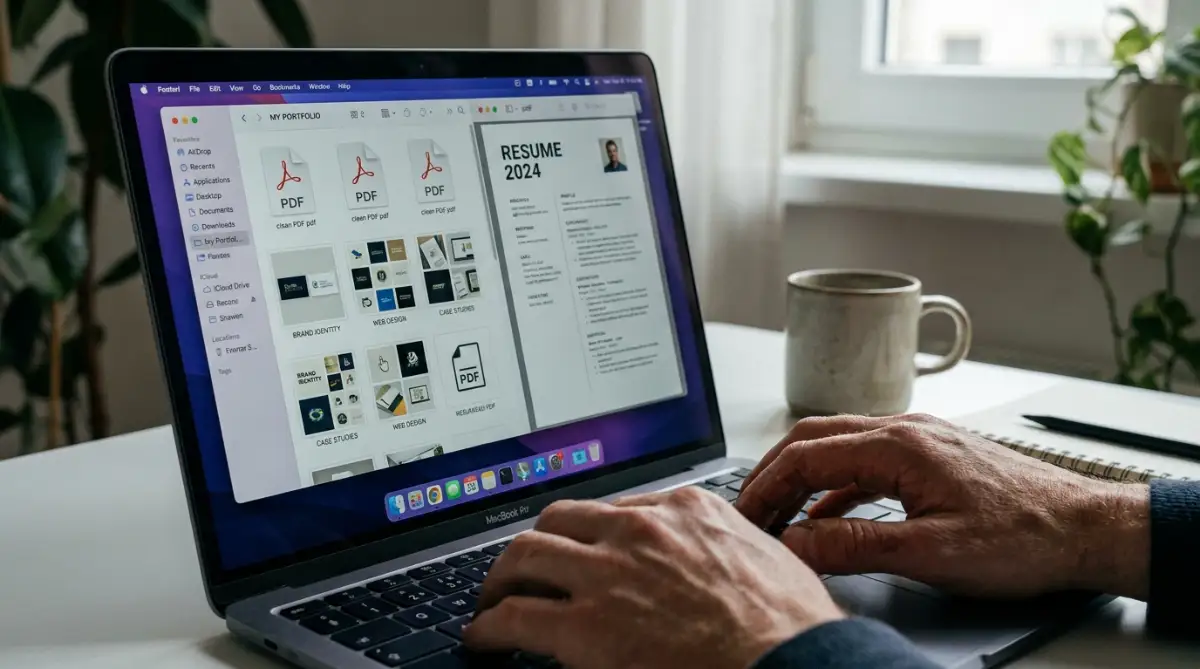
If you want to be a writer, create three highly detailed mock articles and save them in a shared Google Drive folder.
When you apply for a job, include the link to your portfolio folder in your application. This active proof of your work tells the employer that you are a highly proactive self-starter who does not need constant supervision.
Advanced Secrets to Strengthen Your Remote Career Authority
Once you understand the basic process of using remote-friendly language and targeting entry-level roles, we must look much deeper into your application strategy. Your online job search is not a simple activity to complete passively; it is a highly active engine that dictates your professional survival.
According to independent workforce surveys published by the Pew Research Center, more than half of all modern businesses now rely on remote contractors and teleworkers to scale their daily operations safely [1]. You must learn to use these established digital marketplaces to protect your personal economy from sudden local job losses.
Labor statistics shared by the U.S. Bureau of Labor Statistics reveal that remote-first hiring is one of the fastest-growing sectors in the global economy [2]. Knowing how to monitor your digital visibility is highly important before you send out your very first application.
Before you build your remote career online, you must protect your digital representation. Just as silent freelance profile mistakes that keep you from getting your first client can completely destroy your professional credibility, a poorly formatted resume will get you rejected instantly.
Additionally, you must manage your daily habits to prevent burning out. Staying up late at night reading negative news causes overlooked consequences of doomscrolling on your mental focus and daily productivity that ruin your performance during job interviews.
Let us explore the advanced, pro-level secrets you can use to build an unbreakable wall of protection around your career search configuration today.
The Secret to Optimizing Your Resume for Applicant Tracking Systems (ATS)
When you apply for a remote job online, your resume does not go directly to a human hiring manager. Instead, it is processed by an automated software system called an Applicant Tracking System (ATS).
This software has one major job: scan your resume for specific keywords and filter out eighty percent of the applicants. If your resume does not match the exact keywords the software is looking for, a human will never even look at your application.
The Digital Gatekeeper Analogy:
Think of the ATS software exactly like a highly secure, automated keycard reader standing at the front door of a private building. If you try to open the door using a keycard that has the wrong digital code, the gate remains locked, and you are kept outside.
You must code your resume correctly for the software. Research the exact terms your target employers use when they write job descriptions.
If the listing uses the phrase "customer support ticketing" instead of "resolving customer problems," you must add that exact keyword phrase to your resume. This simple, free SEO adjustment ensures that your application passes the automatic check and reaches a real hiring manager.
Quick Look: The ATS-Friendly Resume Rules
- Font Choice: Stick strictly to clean, standard web fonts like Arial, Calibri, or Times New Roman.
- Layout: Use a simple, single-column text layout. Avoid tables, columns, or graphic icons.
- File Format: Always save and upload your resume as a standard Word document (.docx) or a clean PDF.
Protecting Your Private Data From Identity Theft
Another massive factor that controls your online job search is your physical security. Because the demand for remote work is extremely high, scammers have built highly sophisticated fake job listings to target desperate job seekers.
If you try to bypass security rules or violate platform communication guidelines, you risk causing permanent damage to your career.
Always keep all communication, interviews, and files strictly inside the official platform. This protects your hard-earned money and keeps your identity perfectly safe.

Silent Platform Traps That Will Sabotage Your Career Search
Even highly intelligent job seekers make terrible choices when they are trying to find a work-from-home position quickly on a tight budget. The intense stress of wanting to make money often blinds us to basic security rules and business logic.
If you fall into these common traps, your job search will completely collapse, leaving you financially exposed. Let us look at the silent pitfalls you must avoid to keep your business and your financial future completely safe.
Before you apply for another remote role tonight, watch this highly helpful video that shows you the exact job search mistakes that quietly ruin your chances of getting hired. It breaks down the most dangerous application traps in a simple, visual way, so check it out and then read the guide below!
The Danger of Sending Generic Cover Letters
When you are applying to multiple jobs a day, it is incredibly tempting to use the exact same cover letter template for every single application. You assume that by sending out fifty applications quickly, you will easily win at least one interview.
This is a massive, highly destructive psychological trap. High-paying remote companies associate generic cover letters with low-quality, lazy candidates.
If an employer wants to hire a detail-oriented assistant, they will automatically avoid anyone sending a generic copy-paste letter. They will correctly assume that a lazy applicant will deliver sloppy, unorganized work that ruins their business.
Always customize your cover letter for every single job to show the employer that you actually understand their business needs.
The Falling for Payment-Required Job Scams Trap
When you are negotiating with an online employer, they might ask you to pay for your own training materials or software setup. They make it sound like a great deal, saying, "Once you pay for this software, we will reimburse you on your first paycheck."
You must never, under any circumstances, agree to this. Legitimate companies will always provide all necessary training and equipment completely free of charge.
If your bank account gets drained because you fell for a fake job deposit scam, your daily budget will completely freeze.
Always keep all financial transactions completely away from your job applications. This protects your hard-earned money and keeps your bank account perfectly safe.
DO's and DON'Ts For Remote Career Success:
- DO optimize your resume keywords to match the exact wording of the job description.
- DO NOT ever pay an employer for training materials, background checks, or software.
- DO maintain a professional, updated LinkedIn profile to show your credibility.
- DO NOT take interviews on unsecured, casual messaging applications.
A Word from the Expert: Your Roadmap to Digital Freedom
Launching a successful remote career does not have to be a scary, mysterious, or overwhelming experience. You now hold the exact same strategic knowledge that professional career coaches use to guide top-performing remote professionals.
By taking a few short hours to optimize your keywords, protect your private data, and present clean, customized cover letters, you completely remove the fear of getting ignored. You are no longer crossing your fingers and hoping an employer decides to call you.
Instead, you are confidently directing your own career path like a seasoned digital professional. This simple shift in your mental approach gives you incredible power over your entire professional future.
Your Remote-Job Checklist for Tomorrow:
- Optimize Your Keywords: Check your resume and ensure your main skill keywords match the exact job description.
- Verify the Employer: Research the company on LinkedIn and glass door to ensure they are a legitimate, registered business.
- Rewrite Your Cover Letter: Narrow your focus and explain exactly how your transferrable skills will solve the employer's specific problems.
- Audit Your Security: Keep your personal identification numbers and bank details safe until you have a signed, verified employment contract.
Your career should be a beautiful journey of freedom, growth, and personal independence. Do not let basic administrative laziness or bad application habits force you into waiting weeks for an interview.
Organize your resume carefully, protect your personal safety, and take complete, fearless control of your digital career starting right now.
Looking back, changing the way I approached my online job search did not just land me a great remote job—it completely saved my self-esteem and gave me my life back. You do not need to have years of formal remote experience to find a safe, high-paying work-from-home position, so please do not let the worry steal your peace today. Optimize your resume keywords tonight, apply on trusted job boards, and take complete, fearless control of your digital career today!
Common Questions About Transitioning to Remote Work
Can I really get a remote job without a computer science degree or tech experience?
You can easily transition to remote work without a tech background by translating your everyday local skills into digital terminology. Many remote companies actively hire non-technical professionals for roles like customer support, virtual assistance, and data entry.
What is an Applicant Tracking System (ATS) and why is it ignoring my resume?
An Applicant Tracking System (ATS) is automated software that scans resumes for specific keywords before a human recruiter ever sees them. If your resume uses custom graphics, columns, or lacks the exact wording from the job description, the software will automatically filter you out.
How can I prove to a remote employer that I can manage my time independently?
You can prove your self-discipline and reliability by building a portfolio of small micro-projects, such as a mock calendar or sample writing pieces. Providing active proof of your organized work style tells employers you do not need constant office supervision.
Are there any warning signs that indicate a remote job listing is a scam?
Warning signs of a scam include promises of massive weekly pay for simple tasks, conducting interviews over unsecured apps like Telegram, or asking you to pay upfront for training software. Legitimate companies will always provide necessary equipment and training completely free of charge.
Should I use the same cover letter template for every remote job application?
Using a generic, copy-pasted cover letter for multiple applications is a major mistake that signals laziness to hiring managers. Always customize your cover letter to address the specific company's pain points and show how your background makes you a great fit.
Disclaimer: The information provided in this article is for educational and general informational purposes only and does not constitute professional employment, financial, or legal advice. Remote hiring practices, labor regulations, and tax requirements vary heavily by country, state, and specific employer. Always consult with a certified career counselor, tax advisor, or legal professional regarding the exact regulations, payment structures, and requirements of your personal remote career.