Running an important business email through an automated translation tool feels like an easy productivity shortcut—until a subtle tone mistake insults your biggest international client. Software algorithms understand dictionary definitions, but they have zero sense of social hierarchy, workplace etiquette, or cultural respect. In this guide, I will show you why literal translations kill cross-border deals, how to feed proper cultural context into translation tools, and the simple verification habits that protect your professional reputation.
📌 What You Need to Know About Machine Translation:
-
Culture is not in the dictionary: Software translates vocabulary accurately, but it misses social hierarchies, formal honorifics, and local politeness rules.
-
Kill all slang and metaphors: Phrases like "touch base" or "piece of cake" turn into literal nonsense when translated into Asian or European languages.
-
Use reverse translation: Translate your foreign output back into English to catch weird, aggressive, or nonsensical phrasing before you hit send.
-
Never paste private data into free tools: Public online translators store your input to train their models, creating massive corporate data leaks.
The Heavy Price of Blind Machine Trust
Every single day, normal people face similar embarrassing situations because they trust software too much. You might use an app to message your foreign in-laws, hoping to make a good impression. Instead, you end up accidentally insulting them because the machine used the wrong level of formality.
For small business owners and freelancers, this is a daily nightmare. They use automated translators to pitch global clients or launch international ad campaigns. When the translation misses the cultural mark, it makes the brand look lazy and unprofessional.
The struggle is absolutely real. You want to connect with people across borders, but you are blocked by invisible cultural walls. You end up spending hours double-checking every single word on Google, stressing over hidden meanings. It is emotionally exhausting to realize that the advanced technology we rely on still lacks a basic human soul.
Why Smart Machines Are Still Culturally Blind
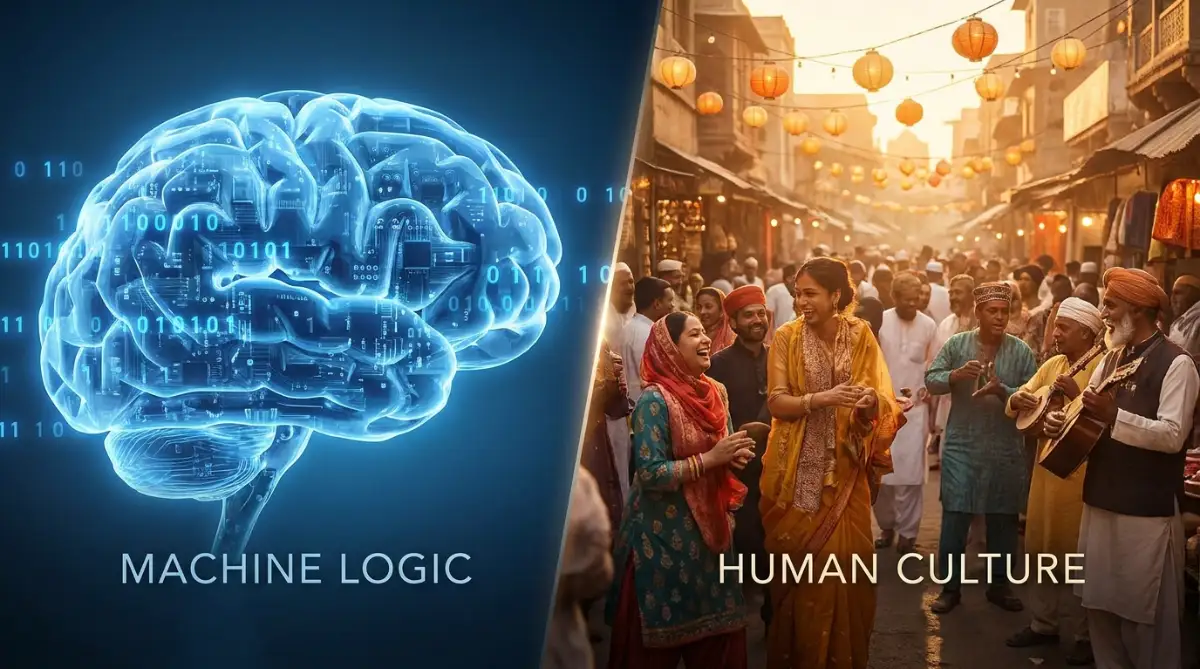
We need to understand exactly why artificial intelligence struggles so much with human connection. The problem is not the vocabulary. The software knows millions of words and grammar rules.
The real issue is that culture is not written in a dictionary. Culture is a complex web of shared history, unspoken rules, and social expectations. Let us look at why relying purely on algorithms can completely backfire on your communication.
The Invisible Rules of Politeness
In many languages, politeness is not just about saying "please" or "thank you." Languages like Korean, Japanese, and even Spanish have entirely different verb structures depending on who you are talking to.
If you are speaking to an older person or a boss, you must use a specific formal tone. If you are speaking to a close friend, that tone changes completely. AI tools often default to a neutral or casual tone because they do not know the relationship between the speaker and the listener.
When the machine ignores this social hierarchy, it creates a massive cultural disconnect. You might think you are sending a standard business update. The receiver reads a message that sounds shockingly disrespectful and arrogant.
🎬 Industry Reality Check: Can AI Ever Truly Replace Human Translators?
If you wonder whether software will ever fully replace human linguists, watch this insightful breakdown from the language specialists at wxrks. They look past the tech hype to explain why algorithms struggle with social context, emotion, and cultural nuance—and why human judgment remains essential for high-stakes business communication:
Now that you have seen why algorithms struggle with human context on video, let us look at the next major trap that ruins automated messages: literal translation.
The Trap of Literal Translation
Another major problem is how machines handle idioms, slang, and cultural references. Every language has unique phrases that make absolutely no sense when translated word-for-word.
In English, if a project is easy, we might say it is a "piece of cake." If you run that through a basic AI translator into another language, the machine will literally tell the person about a slice of baked dessert. The person reading it will be totally confused.
🌐 The Literal Trap: How Everyday English Slang Confuses Overseas Clients
My Communication Rule: If a phrase requires knowledge of American sports or childhood sayings, strip it out. Write plain, factual sentences so the software algorithm does not invent bizarre metaphors in the other language.
These literal translations destroy the natural flow of conversation. They make your writing feel stiff, robotic, and weird. It becomes instantly obvious that a human did not write the message, which completely kills any sense of personal connection.
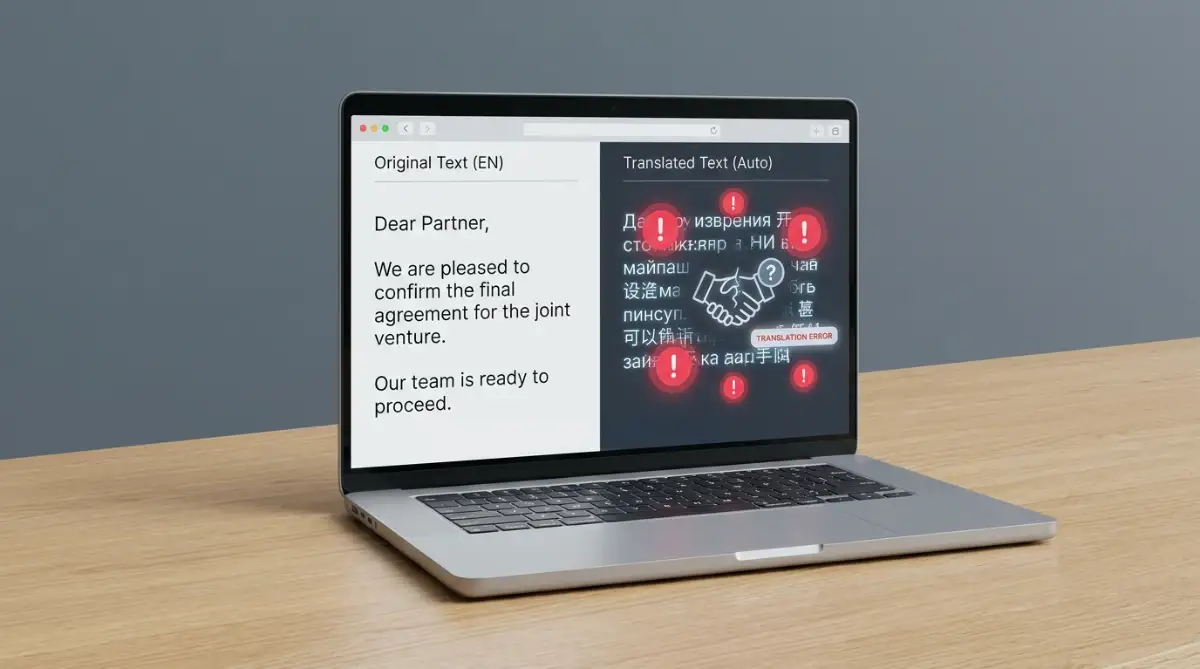
My personal realization came after losing that Japanese client. I realized that sending a robotic message is often worse than just sending the message in English. Pro Tip: If you are not completely sure about the cultural accuracy of a translated phrase, always add a polite disclaimer at the bottom of your message. I now write, "Please excuse any odd phrasing, as I used a translation tool to try and speak your beautiful language," and people are always incredibly forgiving.
Sarcasm and Humor Defeat Algorithms
Humor is arguably the most difficult thing to translate across cultures. What is considered funny in America might be highly offensive in Germany.
Sarcasm relies entirely on tone of voice and cultural context. If you say "Oh, great job" after someone makes a huge mistake, a human knows you are being sarcastic. An AI translator reads the text, assumes you are giving a compliment, and translates it as genuine praise.
This leads to hilarious, but sometimes disastrous, misunderstandings. The software simply cannot "read the room." It lacks the emotional intelligence to understand the subtle nuances of human feeling.
Actionable Steps to Protect Your Global Communication
Now that we know the risks, we have to adjust how we use these tools. You do not have to stop using artificial intelligence entirely. You just need to learn how to guide it properly.
Here are a few practical, proven strategies you can start applying today to ensure your translations hit the right cultural note.
Context Priming is Your Best Friend
Never just paste a sentence into a translator and hit enter. You have to give the machine a detailed background story.
Instead of typing "Translate this email to Spanish," you need to be highly specific. You must set the scene for the software.
Type something like: "Translate this email into professional, formal business Spanish. I am a junior employee writing to a senior executive in Mexico. Keep the tone respectful but modern." Giving the machine this deep level of context drastically improves the cultural accuracy of the output.
💡 The 3-Part Context Formula (Get Polished Translations Every Time)
Never type "Translate this to [Language]". Paste your message using this exact prompt structure:
-
1. The Hierarchy: "I am writing to a [senior client / older partner / close colleague] in [Country]."
-
2. The Goal: "The goal is to propose a project delay politely without sounding careless or blunt."
-
3. The Tone Rule: "Use formal business etiquette, match local workplace honorifics, and avoid casual conversational phrasing."
Why It Works: Adding two lines of relationship context forces the tool to select formal verb conjugations that match the cultural expectations of your reader.
The Reverse Translation Security Check
This is a powerful trick that will save you from major embarrassment. Once the AI gives you the translated text, do not copy and paste it immediately.
Take that new foreign text and plug it back into the translator. Ask the machine to translate it back into English.
Read the English result carefully. Does it still hold the exact meaning and tone you originally intended? If it sounds aggressive, weird, or off-topic, you know the foreign translation is flawed. You can then adjust your original phrasing to be simpler and try again.
Simplify Your Base Language First
Artificial intelligence struggles with long, complicated sentences filled with flowery words. If you want a clean translation, you have to write cleanly.
Before you translate anything, strip away all the idioms, slang, and complex metaphors. Use short, direct sentences.
Instead of saying, "Let's touch base next week before we drop the ball," say, "Let's meet next week so we do not miss our deadline." Clear, simple English leads to clear, accurate foreign translations.
When to Call in a Human Expert
There are certain situations where you should never rely on software. If you are dealing with legal contracts, high-stakes negotiations, or sensitive medical information, hire a human.
A native speaker understands the cultural weight of specific words. They know how to adapt your message so it resonates emotionally with the local audience.
Think of AI as a helpful assistant for casual emails and quick questions. But when your reputation or your business is on the line, nothing replaces the cultural intelligence of a real human being.
Understanding Localization vs Translation
The final concept you need to grasp is the difference between translating words and localizing a message. Translation just swaps words from one language to another. Localization adapts the entire message to fit the culture.