The Terrifying Shock of the Hidden Network Bill
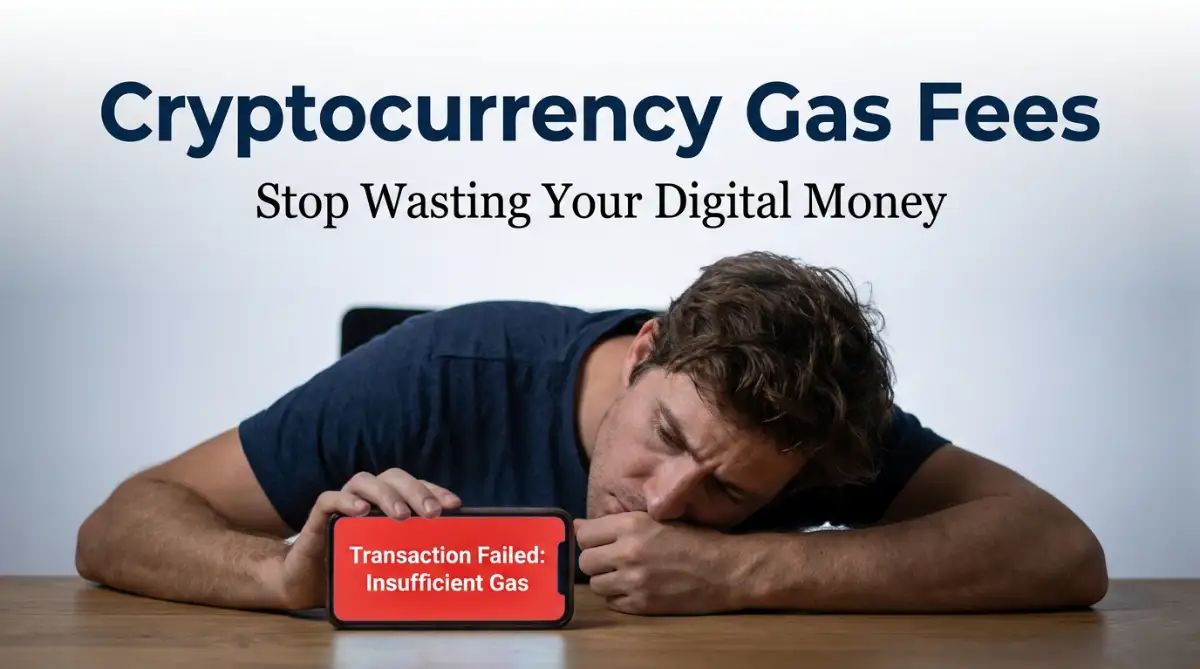
Staring at a massive $120 "Network Gas Fee" just to move $50 worth of digital coin is an incredibly sickening feeling. When I first started trading, I thought my app was broken or I was being scammed by a fake website. It turns out, this is exactly how decentralized networks operate. I had to learn the hard way that these fees are not a scam, but a highly complex mathematical system. Let's break down exactly how this digital highway works so you can stop paying premium prices and start moving your money intelligently.
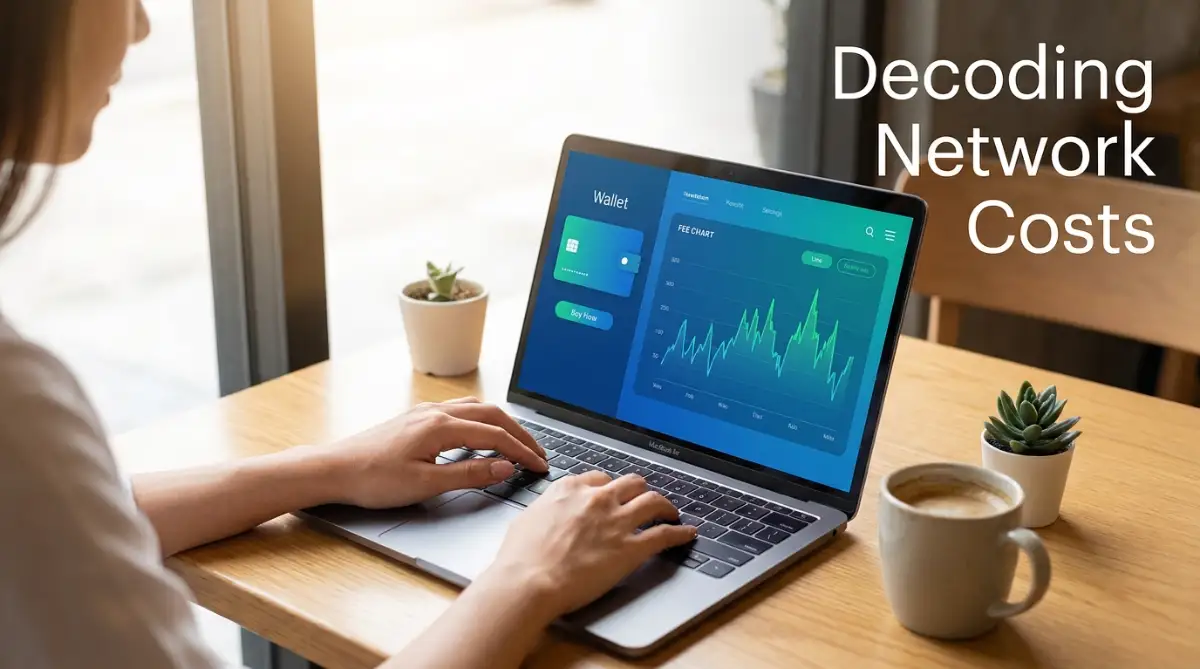
Your 4-Step Action Plan:
- "Gas fees" are not a scam; they are the required mathematical fuel paid to independent network validators to securely process your digital transactions.
- Gas prices spike heavily during network "rush hours"—avoid moving funds during busy US business hours to save massive amounts of money.
- If you set your gas fee too low during heavy traffic, your transaction will fail, and you will permanently lose that fee money without any refund.
- When generating marketing materials using AI, always use ethical, "clean data" platforms like Adobe Firefly to protect your business from sudden copyright lawsuits.
Peeling Back the Curtain: What Exactly Is "Gas"?
To stop losing your money to high fees, you have to completely reset how you view digital transactions. You cannot think of a blockchain like a traditional, centralized bank server.
When you use a normal bank, one giant computer sitting in an air-conditioned corporate basement handles all the math for free. A blockchain does not have a central basement or a single corporate boss to do the math.
Instead, a blockchain is a massive, global network made up of thousands of independent, everyday people running heavy computer software in their own homes. These independent people are officially called "Miners" or "Validators."
When you want to send a digital coin to your friend, you are essentially asking this massive group of strangers to do a lot of hard mathematical work for you. They have to use their own personal electricity, their own expensive computer parts, and their own time to verify that your money is real and safely deliver it.
The Digital Taxi Cab Analogy:
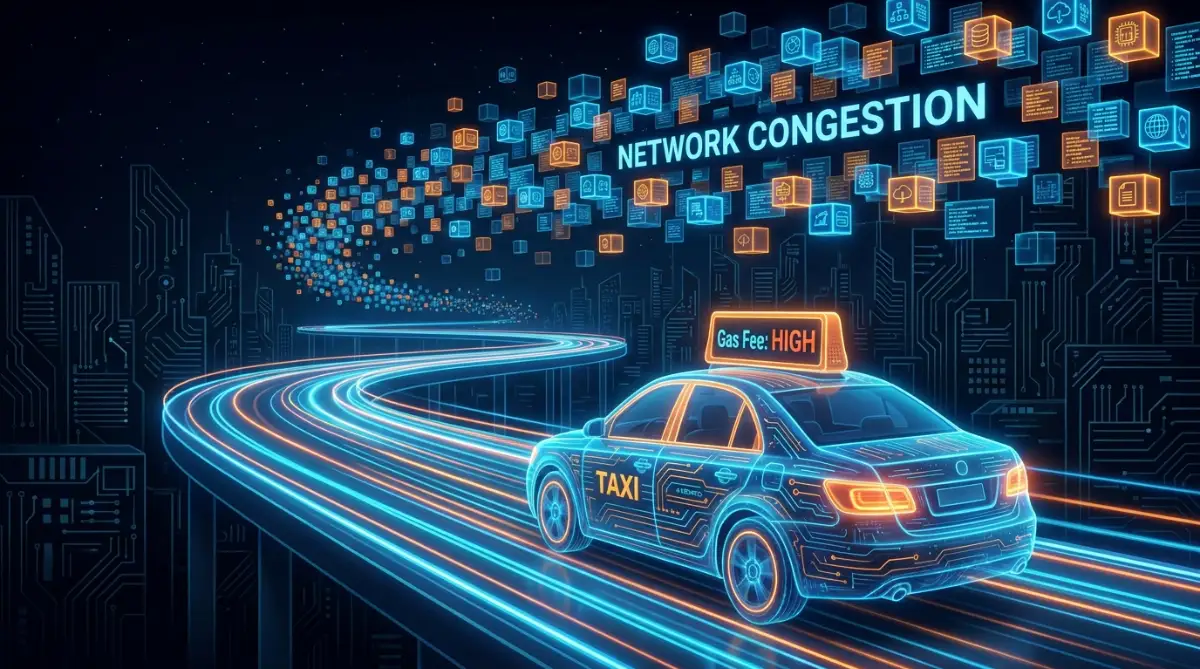
Think of the blockchain exactly like a massive, global taxi service. The digital coin you want to send to your friend is the passenger standing on the sidewalk.
The Validators are the taxi drivers waiting in their cars. You cannot simply expect a taxi driver to pick up your passenger and drive them fifty miles across town for absolutely free.
The driver has to pay for physical gasoline to make the engine run. In the digital world, the "Gas Fee" is the exact physical payment you give the Validator to cover their real-world electricity costs and reward them for their hard work.
Without this financial reward, nobody would ever leave their computer turned on, the network would completely shut down, and the entire system would instantly die.
The Economics of the Digital Highway (Why Prices Spike)
Now that you know you have to pay the taxi driver, you are probably wondering why the price randomly jumps from two dollars to one hundred dollars in a single afternoon. The answer is incredibly simple: basic supply and demand on a highly crowded highway.
Every single blockchain network has a strict, mathematical physical limit on how many passengers (transactions) it can process in a single second. The Ethereum network, for example, can only process roughly fifteen to thirty transactions per second globally.
The Rush Hour Traffic Jam:
Imagine a massive, four-lane highway leading into a major city. At two o'clock in the morning, the highway is completely empty.
If you want to hire a taxi driver at 2:00 AM, the driver will happily take your passenger for five dollars because they have absolutely no other customers waiting. This is exactly what happens on the blockchain during quiet hours; the gas fees drop to almost nothing.
But what happens at five o'clock in the afternoon on a Friday? Suddenly, ten thousand people pour out of their office buildings, all desperately trying to hire the exact same fifty taxi drivers to get home.
The highway becomes completely jammed with heavy, aggressive traffic. The taxi drivers look at the massive crowd of desperate people and realize they hold all the power.
The Bidding War:
The drivers simply say, "I will only drive the person who is willing to pay me the most money." The person who offers five dollars gets completely ignored, left standing on the cold sidewalk.
The person who desperately needs to get home offers one hundred dollars, and the driver immediately opens the car door for them.
This is exactly how a blockchain operates during a massive, trending event. If a new, highly popular digital coin launches, suddenly fifty thousand people around the world hit the "Buy" button at the exact same millisecond.
Because the network can still only process thirty transactions a second, the system gets violently clogged. Your digital wallet software automatically calculates how much money you need to offer the Validators to make them pay attention to your specific transaction.
If you offer a low fee during this massive rush hour, the Validators will simply ignore your transaction for hours, or the transaction will eventually time out and fail completely.
My Personal "Low Fee" Timing Hack ⏱️
Do not blindly accept the gas fee your app shows you. The digital highway is usually most crowded during US business hours. If you want the absolute cheapest fees:
- Try making your transfers early Sunday morning (EST).
- Use a free online "Gas Tracker" tool (like Etherscan Gas Tracker) to monitor network traffic before hitting send.
- If the tracker shows the network is busy (high Gwei), close the app and wait a few hours.
Understanding the "Failed Transaction" Penalty
This brings us to the most painful, heartbreaking reality of using a decentralized network. If you try to send money during a heavy traffic jam and you do not offer enough gas, your transaction will sit in a waiting room (called the Mempool) for a long time.
Eventually, the network will try to process it, realize it does not have enough fuel to reach the destination, and officially fail the transaction.
When the transaction fails, the network does not give you your gas money back.
I made this terrible mistake early in my journey, trying to send a large sum of money using a "Low Speed" fee setting to save ten dollars. My biggest realization was that the network still consumed my gas money trying to do the math, even though the math failed, leaving me totally empty-handed and furious.
If you are terrified of losing your money to a failed network transfer, you absolutely must watch this brilliant breakdown on how to read the gas limits before hitting send.
This happens because the Validator still had to use their computer's physical electricity and time to attempt the math, even if the math did not finish. You must always ensure you are offering enough gas to safely complete the journey, or you risk burning your money for absolutely zero reward.
Advanced Safety Practices for Pure Artistic Freedom
Once you understand the basic difference between human authorship and raw machine generation, we must look much deeper into how you actively run your daily business. Your creative agency is not just a place to experiment with fun tools; it is a highly active engine that completely dictates your financial survival.
According to intellectual property researchers at the World Intellectual Property Organization (WIPO), properly documenting your creative workflow is the absolute foundation of defending your business against copyright claims [1]. You must learn to use established legal frameworks to protect your daily operations from sudden, aggressive lawsuits.
Legal updates shared by digital rights experts at the Electronic Frontier Foundation (EFF) reveal that failing to understand a software's licensing agreement is the leading cause of massive corporate fines for small creators [2]. Knowing how to audit your software licenses is highly important before you sell a single piece of artwork to a new client.
Many amateur graphic designers trust popular social media myths instead of reading actual legal documents. Just as relying on television leads to surprising Miranda rights misconceptions from TV dramas when dealing with real-world law, relying on simple Twitter threads leads to massive intellectual property failures.
The Secret to Using Ethical "Opt-In" Software
The absolute safest way to protect yourself and respect working artists is to completely change the tools you are currently using. Not all artificial intelligence platforms scrape the public internet blindly.
A new wave of highly ethical tech companies has emerged, completely changing how machine learning operates. These ethical companies only train their software on images they legally own, such as massive databases of paid stock photography.
The Clean Kitchen Analogy:
Think of a traditional, messy AI generator exactly like a chef who sneaks into his neighbors' kitchens at night and steals their secret ingredients to make a soup. The soup might taste amazing, but the chef is still a thief.
An ethical AI platform is like a professional chef who buys every single ingredient legally from a certified local farmer. When you eat that soup, you know exactly where the ingredients came from, and you know the farmer was paid fairly for their hard work.
Your Actionable Strategy:
You must transition your business away from standard, controversial generators and start using "clean data" platforms like Adobe Firefly or Getty Images AI. These specific companies guarantee that their software was trained entirely on licensed, copyright-free material.
Because they own the raw data, they legally promise to protect you from any future copyright lawsuits if you use their generated images commercially. This simple software switch gives you complete, fearless legal protection.
Pro Tip: The Safe AI Software Breakdown 🛠️
If you are confused about which tools are legally safe for your business marketing, keep this quick list handy:
- High Risk (Avoid for Commercial Use): Midjourney v5 (trained on public internet data without direct creator permission).
- Medium Risk: ChatGPT (safe for basic brainstorming, but avoid pasting confidential client data).
- Highly Safe (Commercial Ready): Adobe Firefly (trained entirely on licensed, stock images Adobe legally owns).
Modifying Your Client Contracts Safely
If you are a freelance professional, your standard work contract probably says, "The Freelancer transfers all intellectual property rights to the Client upon final payment." This standard sentence is now a massive, highly dangerous legal trap.
If you use artificial intelligence to help build the client's website graphics, you cannot legally transfer the copyright, because you do not actually own it. If the client later discovers they do not own their own logo, they can legally sue you for breach of contract and demand a full refund.
Your Actionable Strategy:
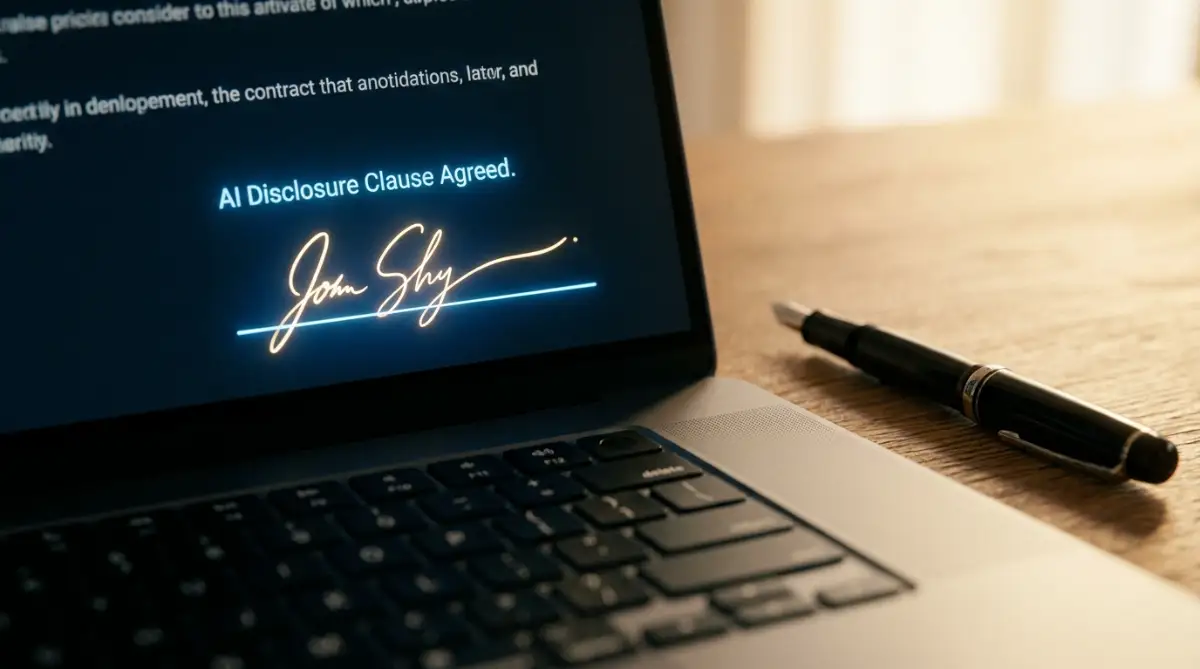
You must actively rewrite the intellectual property section of your freelance contract today. You need to add a highly specific "AI Disclosure Clause."
State clearly: "The Freelancer may use generative artificial intelligence tools during the creation process. The Client acknowledges that certain elements of the final deliverables may contain AI-generated assets, which are not currently eligible for full U.S. copyright protection."
By putting this reality directly into the contract, you force the client to accept the legal limitations upfront. If you are struggling to build a professional client list, fixing your contracts is just as important as fixing silent freelance profile mistakes that keep you from getting your first client. Absolute honesty is your ultimate legal shield.

Silent Legal Traps That Will Destroy Your Business
Even highly intelligent founders make terrible choices when they are trying to launch a marketing campaign quickly on a tight budget. The heavy stress of meeting daily deadlines often makes us ignore basic legal precautions and ethical guidelines.
If you fall into these incredibly common traps, your legal shield will completely collapse, leaving your personal assets exposed. This frustrating cycle can easily ruin your professional reputation, destroy your business confidence, and wipe out your savings.
Here is exactly what you must avoid to keep your business and your family completely safe.
The "Public Figure" Defamation Disaster
One of the most dangerous things you can do with a generation tool is create fake, highly realistic images of real, living people. You might generate a funny picture of a famous politician or a beloved celebrity endorsing your new coffee brand.
You think it is just a harmless joke that will get a lot of likes on your social media page. This is a massive, highly destructive legal mistake.
Using someone's actual face to sell a product without their written permission is a direct violation of their "Right of Publicity."
If that celebrity's legal team sees your advertisement, they will hit your company with a massive, multi-million dollar lawsuit for defamation and unauthorized commercial use.
Maintaining your company's legal boundaries requires a strong, active protective habit. Just like using natural home remedies to fix extremely dry and flaky skin heals your face gently without harsh chemicals, keeping clean administrative boundaries protects your professional reputation.
Never use the names, faces, or specific likenesses of real human beings in your generation prompts. Stick to generic descriptions like "a smiling young woman drinking coffee" to keep your marketing campaigns completely legally safe.
Uploading Highly Confidential Client Data
When you use a popular text-based artificial intelligence tool to summarize a long document, you have to paste the text directly into their chat window. Many lazy employees copy and paste highly sensitive company financial records, private client emails, and secret software code directly into the public chat box.
This is an absolute disaster waiting to happen. Most free artificial intelligence platforms actively use your chat history to train their future software models.
If you paste your company's secret marketing strategy into the chat box today, the machine might accidentally spit that exact strategy out to your biggest competitor tomorrow.
If your legal defenses collapse because you neglected your data security, the sudden financial blow can build up fast. You do not want to be forced into researching how to get unsecured loans with bad credit and actually get approved just to pay for an emergency legal defense team.
Always scrub your documents of any personal names, financial numbers, or secret business strategies before asking a public software tool to analyze them.
DO's and DON'Ts For Safe Creative Work:
- DO use "clean data" platforms like Adobe Firefly for commercial advertising projects.
- DO NOT ever try to trademark a logo that was 100% generated by a computer without human modification.
- DO keep highly detailed, dated records of your prompt history and your manual Photoshop editing layers.
- DO NOT use the names of specific, living artists in your prompts to avoid ethical theft.
Common Questions About AI Copyright Ethics
Can I legally sell t-shirts with designs I generated using an AI program?
Yes, you can physically sell the t-shirts to the public, but you cannot legally stop someone else from copying your exact design and selling the exact same t-shirts. Because the original generated image has no copyright protection, it essentially belongs to the public domain.
What happens if the AI accidentally generates an image that looks exactly like a copyrighted Disney character?
If you use a generated image that closely resembles a heavily protected trademark, like Mickey Mouse or Batman, you are committing direct trademark infringement. The machine's mistake does not protect you from a massive corporate lawsuit, so always delete those images immediately.
Do I have to tell my clients that I used artificial intelligence to build their website graphics?
While there is no strict federal law demanding transparency yet, it is an incredibly important ethical business practice. Hiding the use of these tools from a paying client destroys professional trust and can easily ruin your long-term freelance reputation.
Can I copyright a book if I wrote the story but the AI generated the cover art?
Yes, the United States Copyright Office allows you to protect the parts of the book that you created yourself. You will receive a copyright for your original written text, but the government will explicitly exclude the generated cover art from the final copyright protection certificate.
Your Creative Security Action Plan
Navigating the complicated legal language of artificial intelligence does not have to be an overwhelming or terrifying experience. You now hold the exact same strategic knowledge that professional intellectual property attorneys use to protect massive creative agencies.
By taking a few short hours to update your freelance contracts, audit your prompts, and switch to ethical software platforms, you completely remove the heavy fear of getting sued. You are no longer crossing your fingers and hoping a massive corporation does not notice your marketing campaign.
Instead, you are confidently commanding your own digital assets behind an impenetrable, organized legal fortress. This simple shift in your mental approach gives you incredible power over your entire creative future.
My personal design business grew exponentially the day I finally stopped panicking about the legal rules and actually updated my client contracts to reflect the new technology. Stop letting confusing internet rumors hold your creativity hostage; read your software terms of service right now, modify your images heavily, and start building your brand safely today.
Disclaimer: The information provided in this article is for educational and general informational purposes only and does not constitute formal legal, financial, or intellectual property advice. Copyright law and artificial intelligence regulations are rapidly evolving and vary heavily by country, state, and specific judicial rulings. Always consult with a licensed intellectual property attorney or a certified business lawyer regarding the exact legal protections, copyright applications, and commercial use requirements of your personal digital assets.