I almost made a thirty-five-thousand-dollar mistake on my very first house. I fell completely in love with the fresh paint and shiny wood floors, ignoring a tiny hairline crack in the basement wall. Two years later, that "settling" crack turned into a giant, expensive foundation nightmare. You do not need to be a professional home inspector to protect your savings. Let me show you exactly what to look for before you sign the biggest contract of your life.
My 60-Second Home Buying Checklist
- Avoid houses with freshly painted basement walls; sellers often use paint to hide giant foundation cracks.
- Step across the street and look at the roofline peak. It should be a perfectly straight, horizontal line with no dips.
- Open every door and window in the house. Sticking doors mean the walls are actively shifting out of place.
- Ensure the soil next to the concrete foundation slopes away from the house to prevent water from pooling.
The Hidden Foundation Trap: Spotting the Micro-Cracks
The absolute most important structural element of any home is the foundation. This thick, solid layer of concrete or masonry has one major job: supporting the entire weight of your house and distributing it evenly into the ground.
Without a stable foundation, the walls, roof, and floors of your home will begin to shift, warp, and eventually collapse. Keeping this structural base healthy is the absolute foundation of basic property care.
The Shifting Sand Analogy:
Think of your home's foundation exactly like your feet standing on wet sand at the beach. If you stand perfectly still on dry sand, you remain stable.
But if you stand on wet, shifting sand, one foot slowly sinks deeper than the other, causing your entire body to tilt and lose balance. Your home's foundation behaves in this exact same logical way when the soil beneath it shifts or washes away.
Your Actionable Strategy for Inspecting Foundations:
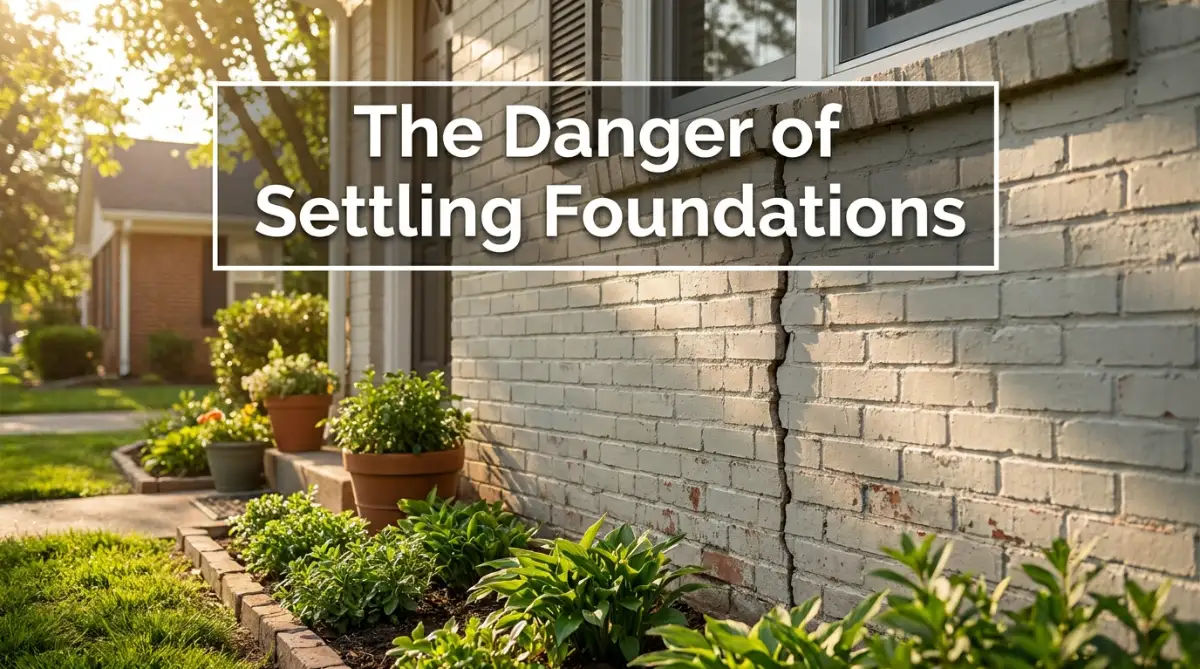
You must walk around the entire exterior of the house, looking closely at the exposed concrete base. Search for any visible cracks, especially those that run diagonally or look like a "stair-step" pattern in brickwork.
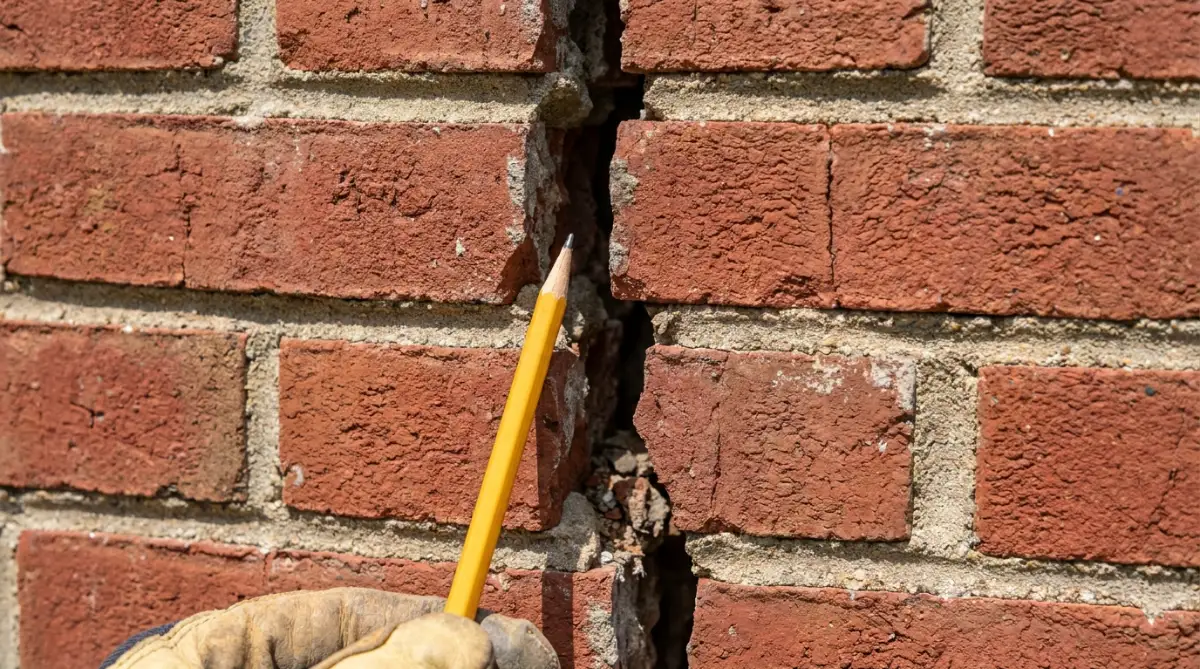
Small, hairline cracks are often normal signs of natural settling, but wide cracks (anything wider than a pencil) are a major warning sign. Look closely at the ground directly next to the foundation wall.
If you see deep gaps between the soil and the concrete, the soil is actively shrinking or washing away. This gap means the foundation is losing its physical support, which can cause the wall to sink and crack under the heavy load of the house.
Expert Insight:
Never assume that fresh drywall or new paint inside a home means everything is structurally perfect. Home sellers often use cheap mud and paint to quickly cover up large cracks right before putting their house on the market. Always inspect the exterior foundation walls and the unfinished basement first, as these areas are much harder to hide with cosmetic tricks.
My 5-Second Foundation Test:
- Q: How do I know if a basement wall crack is actually dangerous?
- A: Take a standard pencil. If you can slide the pencil flat into the crack, the gap is wider than a quarter-inch. Stop what you are doing and call a structural engineer immediately.
The Sagging Roofline: Checking the Internal Bones
While the foundation supports your home from below, the roof structure protects it from above. The roof is under constant, heavy pressure from wind, rain, and gravity.
If the internal wooden rafters or trusses begin to warp or crack, the roofline will slowly start to sag. This structural failure leads directly to pooling water, major leaks, and eventually, a total collapse of your ceiling.
The Wooden Bridge Analogy:
Think of your roof's internal structure exactly like a wooden bridge carrying heavy traffic. If the support beams underneath the bridge are strong, the bridge remains perfectly flat and safe.
But if those support beams begin to rot or crack, the center of the bridge will start to sag downward under the heavy weight. Your roof behaves in this exact same logical way when the internal framing is compromised.
Your Actionable Strategy for Checking Rooflines:
You must walk across the street from the house and look closely at the roofline from a distance. The ridge of the roof (the very top peak) should be a perfectly straight, horizontal line.
If you see any dipping, sagging, or curving along the peak of the roof, the internal support beams are actively failing. Next, you must go up into the unfinished attic space with a bright flashlight.
Look closely at the wooden rafters for any water stains, white mold, or active rot. If the wood is soft, damp, or cracked, the roof structure is highly compromised.
Your Actionable Maintenance Fix:
Always check the attic ventilation openings while you are inspecting the roof structure. Proper ventilation is essential because it allows hot, humid air to escape from your attic.
If the vents are blocked, that trapped humidity will quickly rot the wooden rafters, causing your roof to sag and fail. Keeping these vents clean and clear is one of the most effective ways to protect your home's structural health.
Quick Attic Inspection List:
Before you climb out of the attic, make sure you check these three things:
- Are the insulation blankets blocking the vents under the roof edge?
- Can you feel a gentle breeze moving through the vents when you stand near them?
- Are there dark gray spots on the wooden roof boards? (This is a sign of damp wood rot).
Sticking Doors and Windows: The Silent Alarm of Shifting Walls
You have likely visited an old, historic home and noticed that some of the doors do not close properly. The owner might smile and say, "Oh, that is just some of the classic, historic charm of this old house."
This is a very common, highly dangerous misunderstanding of basic structural engineering. Sticking doors and windows are actually one of the earliest, most reliable warning signs that your home's frame is actively shifting.
The Shifting Box Analogy:
Imagine a rectangular cardboard shoe box. If the box is perfectly straight, the lid fits onto the top smoothly and easily.
But if you push on one side of the box, the rectangular shape warps into a skewed parallelogram, and the lid will no longer fit onto the top. Your home's door frames behave in this exact same logical way when the walls shift.
Your Actionable Strategy for Checking Frames:
Walk through every single room of the house and physically open and close every door and window. They should glide smoothly and latch easily without any sticking or rubbing.
If a door rubs heavily against the top of the frame, or if a window is completely jammed shut, the wall framing has shifted out of its original alignment. Look closely at the drywall directly above the sticking door or window.
If you see a diagonal crack spreading upward from the corner of the frame, the wall is actively twisting. This movement is almost always caused by a settling foundation or rotting support joists beneath the floor.
Always trace the source of this movement immediately. Fixing a small foundation issue today is much cheaper than rebuilding a completely warped wall structure tomorrow.
Advanced Pilot Secrets for a Perfect Structural Audit
Once you understand the basic process of checking your exterior foundation walls and roof peaks, we must look much deeper into your property's structural health. Your home is not a single, isolated building; it is a highly active collection of connected systems that must remain in perfect, balanced alignment.
According to home inspection guidelines published by the American Society of Home Inspectors (ASHI), structural integrity problems are the leading cause of failed real estate transactions [1]. You must learn to use these established technical frameworks to protect your family's safety from sudden structural failures.
Safety guides shared by the Federal Emergency Management Agency (FEMA) reveal that improper water drainage is the single most common cause of severe home foundation shifting [2]. Knowing how to read your property's soil grading is highly important before you make any final purchasing decisions.
Many amateur homebuyers trust popular television myths instead of actual engineering guides. Just as relying on television leads to surprising Miranda rights misconceptions from TV dramas when dealing with real-world law, relying on simple visual inspections leads to massive, sudden structural failures.
If you try to buy a home with unrecorded additions or poor DIY modifications, your insurance company might reject future claims. You must avoid buying a house with bad structural modifications just as you would avoid the silent DIY solar mistakes that destroy your home insurance payout to protect your wealth and peace of mind.
Additionally, you must optimize your home's thermal environment. Just as bad charging habits are overlooked habits that quietly destroy your smartphone battery lifespan, poor ventilation in your attic space causes heat buildup that rots your roof's structure rapidly.
Let us explore the advanced, pro-level secrets you can use to build an unbreakable wall of protection around your home's foundation and structural framing today.
The Secret to Understanding Hydrostatic Pressure
One of the most dangerous, invisible forces acting against your home is a physical phenomenon called hydrostatic pressure. When heavy rain falls, the soil surrounding your basement walls absorbs water and expands like a giant sponge.
This wet, heavy soil pushes inward against your concrete basement walls with thousands of pounds of physical force. If your home has poor water drainage systems, this constant pressure will cause the concrete walls to bow inward over time.
The Retaining Wall Analogy:
Think of your basement walls exactly like a heavy dam holding back a massive lake. If the dam has built-in relief valves to let some water escape safely, the structure remains perfectly stable and dry.
But if you plug up all those relief valves, the water pressure will slowly build up until the concrete dam cracks and collapses under the strain. Your basement walls behave in this exact same logical way when water cannot escape from your soil.
Your Actionable Strategy:
You must walk down into the unfinished basement or crawlspace with a long, straight level or a simple plumb line. Hold the level vertically against the center of each concrete wall to check if the wall is perfectly straight.
If the center of the wall curves inward by more than an inch, the wall is actively bowing under the pressure of the wet soil. Look closely at the base of the wall for any horizontal cracks running from one corner to the other.
A horizontal crack at the base of a bowing wall is a major structural warning sign that requires immediate, expensive steel reinforcement. You must act fast to redirect your gutter downspouts at least six feet away from the house to dry out the soil.
Evaluating Floor Joists and Sill Plates
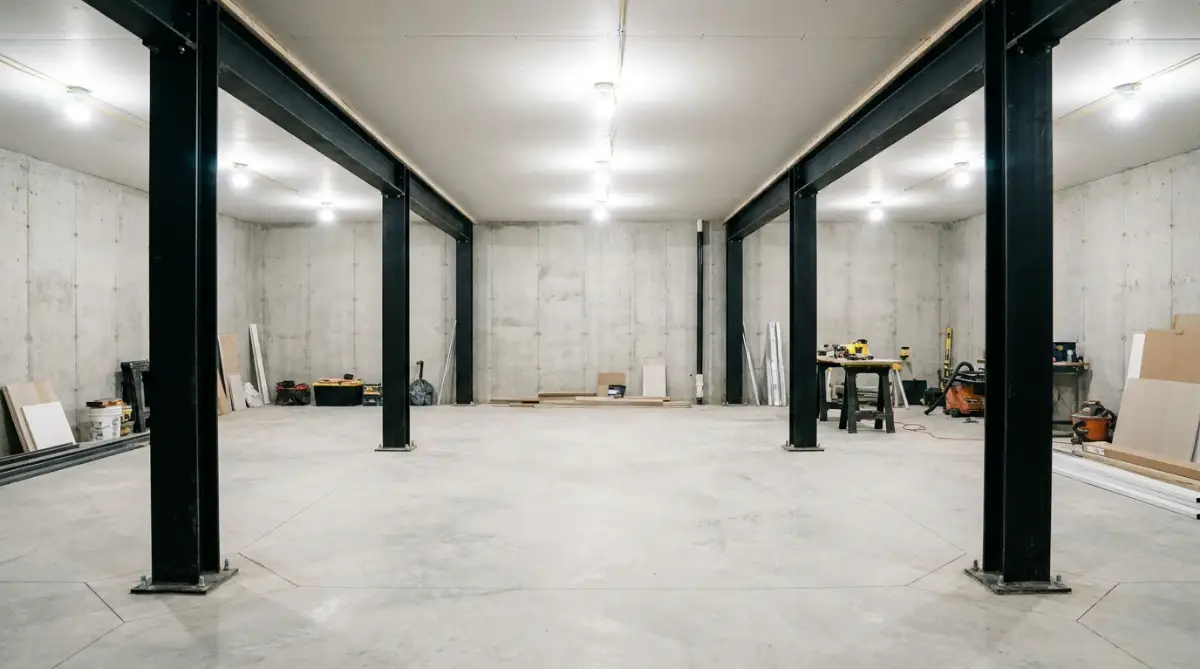
When you are inside the basement or crawlspace, you must look straight up to inspect the wooden skeleton supporting your floors. Specifically, you need to find the sill plate, which is the flat wooden beam that rests directly on top of your concrete foundation wall.
Since the sill plate is closest to the damp ground, it is the most common target for severe wood rot and termite infestations. If the sill plate rots away, the entire wooden frame of your house will slowly sag and sink into the concrete.
The Soft Wood Test:
Take a flat-head screwdriver and gently poke the wooden sill plate every few feet. The wood should feel rock-hard and solid like a piece of plastic.
If the screwdriver easily sinks into the wood like soft butter, the sill plate is suffering from severe dry rot or active wood-boring insect damage. You must also inspect the wooden floor joists for any signs of "sistering."
Sistering is when a previous owner bolts a new piece of wood next to an old, cracked beam to hide the damage. If you see sintered joists, always verify that the work was done under a certified building permit to ensure your floor will not collapse.

Silent Structural Mistakes That Will Destroy Your Home's Value
Before you make an offer on any property, watch this highly helpful video that shows you the exact structural mistakes that quietly ruin a home's value. It breaks down the most dangerous foundation and framing errors in a simple, visual way, so check it out and then read the guide below!
Even highly intelligent homebuyers make terrible choices when they get overly excited about buying a beautiful house. The heavy thrill of finding your dream home often blinds buyers to basic physical warning signs.
If you fall into these common traps, your structural foundation will eventually experience a complete, permanent failure. This frustrating cycle can easily ruin your weekend, destroy your personal confidence, and wipe out your savings.
Here is exactly what you must avoid to keep your family safe and your home's structural integrity perfectly secure.
Buying a Home with Unlicensed DIY Renovations
One of the most dangerous mistakes buyers make is falling in love with a home that has a beautifully finished basement. They see a nice home theater room, a cozy guest bedroom, and a modern bathroom, assuming it adds massive value to the property.
But they completely forget to ask if the work was completed under a certified building permit. Many homeowners do not hire licensed contractors, choosing instead to do the work themselves or hire cheap, uncertified workers to save money.
These DIY workers will often cut through structural support beams, block essential ventilation vents, and hide moldy foundation walls behind cheap drywall.
Always demand to see the official city building permits for any finished basement or modified walls before you sign any contract.
My absolute biggest mistake was buying a house with a beautifully finished basement without checking the city's official building permits first. I did not realize that the previous owner had cut through two main structural support beams just to make room for a large TV screen. The very day I had to hire a structural engineer to reinstall those support columns, I promised myself I would never trust a seller's cosmetic upgrades blindly again.
Ignoring Pooling Water Around the Foundation
You can have the most expensive foundation repair system in the world, but it will completely fail if you let rainwater pool next to your house. Water is the ultimate, silent enemy of any modern home structure.
When rainwater drips off your roof and pools directly next to your concrete base, it slowly turns the soil into soft, watery mud. This soft mud cannot support the massive weight of your house, causing the foundation to sink and crack.
DO's and DON'Ts For Homebuying Inspections:
- DO hire a specialized, licensed structural engineer if you see any diagonal foundation cracks.
- DO NOT ever buy a home with standing water or wet mud inside the crawlspace.
- DO verify that all additions and finished basements have active, certified building permits.
- DO NOT trust fresh paint in an unfinished basement, as it is often used to hide active cracks.
Your Property Safety Checklist for Tomorrow
Buying your family's dream home does not have to be a scary, mysterious, or overwhelming experience. You now hold the exact same technical knowledge that professional structural engineers use to evaluate buildings.
By taking a few short minutes to inspect foundation walls, check door frames, and evaluate attic rafters, you completely remove the fear of sudden structural failures. You are no longer crossing your fingers and hoping your house stays straight and safe.
Instead, you are confidently directing your own property's health and protecting your family's safety and investment. This simple change in your weekly routine gives you incredible power over your entire real estate future.
Your Property Safety Checklist:
- Audit Your Foundation: Walk around the outside of the house tomorrow morning and inspect the concrete base for any diagonal stair-step cracks.
- Check Every Single Door: Open and close every door and window in the house to ensure they glide smoothly without any sticking or rubbing.
- Inspect the Attic Rafters: Go up into the attic space with a flashlight and check for any sagging peak lines or damp, rotting wood.
- Clear the Water Drainage: Ensure your gutters redirect rainwater at least six feet away from your foundation walls to keep the soil dry.
Your home is a massive financial investment that keeps your family safe, warm, and happy every single day. Do not let basic procrastination or fear of checking the crawlspace force you into making incredibly expensive structural mistakes.
Read your inspection reports slowly, manage your water drainage systems carefully, and take complete, fearless control of your property's safety starting right now.
Looking back, surviving that awful foundation disaster actually forced me to stop being a passive homebuyer and start acting like a smart, proactive property manager. You do not need to be a professional home builder to protect your hard-earned money from bad investments, so please do not let the excitement of a beautiful kitchen rush you. Walk around the concrete base tomorrow morning, check the door frames slowly, and take complete control of your home buying journey today!
Common Questions About Home Foundations and Structural Integrity
What do diagonal stair-step cracks in my brickwork mean?
Stair-step cracks in brickwork usually indicate that your foundation is settling unevenly or that the soil beneath the house is shifting. While hairline cracks can be normal settling, wide cracks wider than a pencil are a major warning sign that require a structural engineer's evaluation.
Why do my doors and windows suddenly stick or fail to close properly?
Sticking doors and windows happen when your home's wall framing shifts out of alignment due to a settling foundation or rotting support joists beneath the floor. This structural movement twists the rectangular door frame into a skewed shape, causing the wood to rub and jam.
What is hydrostatic pressure and how does it damage basement walls?
Hydrostatic pressure occurs when wet soil surrounding your basement walls absorbs heavy rainwater and pushes inward with thousands of pounds of force. Without proper water drainage, this relentless physical pressure can cause concrete basement walls to bow and crack inward over time.
Is it safe to buy a house with a finished basement if there are no building permits?
Buying a home with unrecorded or unpermitted DIY renovations is extremely risky because previous owners may have cut through structural support beams to save space. Always demand to see official city building permits before signing any contracts to ensure your home will not face sudden structural failure.
How can I protect my home's foundation from shifting soil?
You can protect your foundation by ensuring proper water drainage, which includes keeping gutters clean and extending your downspouts at least six feet away from the house. Keeping the surrounding soil dry prevents the ground from expanding, shrinking, and washing away beneath your concrete base.
Disclaimer: The information provided in this article is for educational and general informational purposes only and does not constitute professional structural engineering, architectural, or home inspection advice. Building codes, soil conditions, and foundation designs vary heavily by region, state, and specific property type. Always consult with a licensed structural engineer, certified home inspector, or local building authority regarding the exact specifications, load capacities, and structural requirements of your personal home.