
Do you ever drink a massive mug of coffee at 8 AM, feel like an absolute superhero for an hour, and then crash into a brick wall by 2 PM? I know that exhausting cycle all too well. We pour giant amounts of caffeine into our bodies, hoping to stay awake, but we end up feeling wired and tired at the exact same time. Let me show you a simple trick called micro-dosing that keeps your energy perfectly smooth all day long, without the terrible afternoon crash.
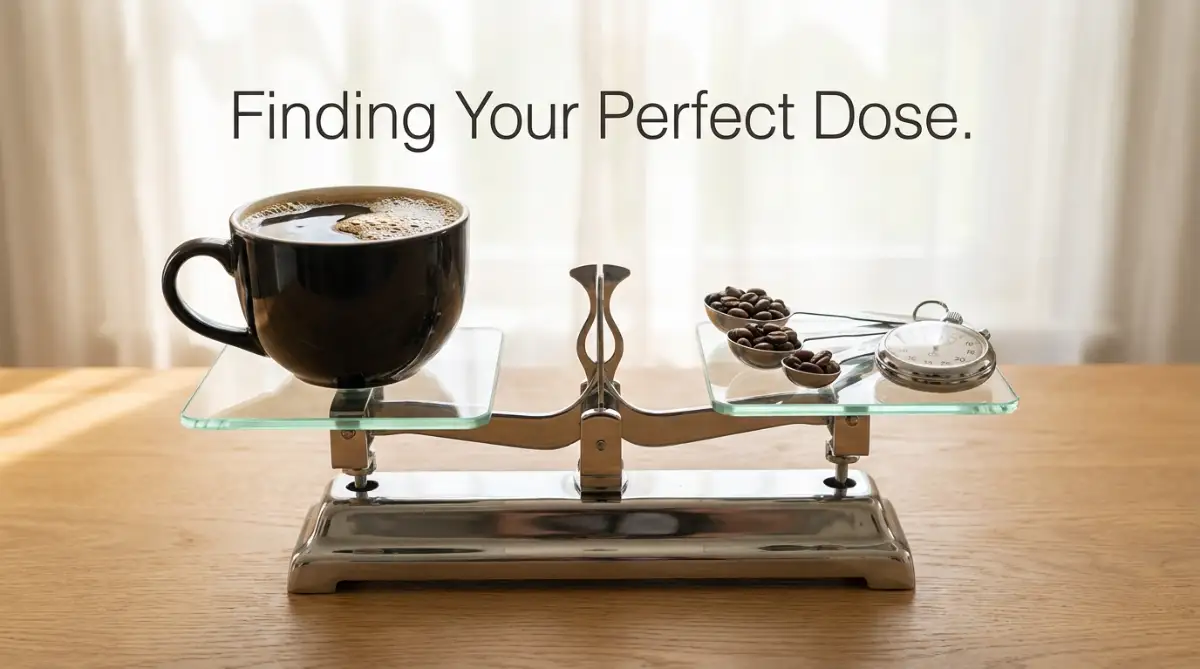
📌 Quick Summary: How to Master Caffeine Micro-Dosing
- Cut Your Intake in Half: Track your baseline daily caffeine consumption and cut that total number completely in half to reset your tolerance.
- Spread It Out: Instead of one giant morning mug, take small, measured doses (like green tea or diluted cold brew) every few hours.
- Add L-Theanine: Pair your caffeine with natural amino acids (found in green tea) to ensure a smooth, jitter-free release of energy.
- Set a Hard Cutoff: Stop all caffeine consumption strictly by 2:00 PM so it does not wreck your natural nighttime sleep cycle.
Breaking Down the Chemistry of Your Morning Cup
Before we can fix this problem, we need to understand exactly what happens inside your brain when you drink coffee. Your brain naturally produces a chemical called adenosine throughout the day. This specific chemical slowly builds up in your system, and it is the exact thing that makes you feel naturally sleepy at night.
According to clinical sleep research published by the National Institutes of Health (NIH), consistently overloading your nervous system with late-day stimulants can artificially delay your circadian rhythm, making restorative deep sleep much harder to achieve. Balancing your daily intake protects both your waking focus and your nighttime recovery.
Myth vs. Truth: Coffee Consumption
Myth: Drinking coffee faster gets you through the day better.
Truth: Chugging coffee floods your brain, blocks all your sleep receptors at once, and guarantees a severe crash. Sipping small amounts slowly is the actual secret!
When you drink a massive cup of coffee, the caffeine rushes into your brain and physically blocks those adenosine receptors. It essentially puts a piece of tape over your brain's fuel gauge, tricking your body into thinking it is not tired at all.
Did You Know? The Adenosine Trap
Adenosine is the chemical your brain naturally produces all day to signal sleepiness. Caffeine does not actually give you energy; it simply acts like a chemical bouncer, blocking your brain from realizing how tired you actually are until it wears off all at once!
But here is the massive problem: your brain does not stop producing that sleepy chemical. It just keeps building up behind the scenes, waiting for the caffeine to wear off.
When that massive dose of morning coffee finally clears your system, all that built-up sleepiness floods your brain at the exact same time. This sudden, violent flood is exactly what causes that horrible two o'clock afternoon crash.
To stop the crash, we have to stop the massive, sudden spike. We need to slowly trickle the caffeine into our system so the brain never gets overwhelmed. This is exactly where the smart science of micro-dosing comes into play.
What Exactly is Micro-Dosing in the Coffee World?
You have probably heard the term "micro-dosing" thrown around in modern tech and wellness circles recently. It sounds like a complicated medical procedure, but it is actually an incredibly simple concept. Micro-dosing caffeine simply means taking very small, carefully measured amounts of the stimulant spread out evenly throughout your entire day.
Instead of drinking one giant cup with two hundred milligrams of caffeine at eight in the morning, you change your strategy completely. You might take fifty milligrams at eight, another fifty at ten, and a final fifty at noon.
You are taking in less total caffeine, but you are distributing it in a way that your body can easily process. Think about watering a dry houseplant. If you dump a massive bucket of water onto the soil all at once, most of it just spills over the sides and makes a huge mess on your floor.
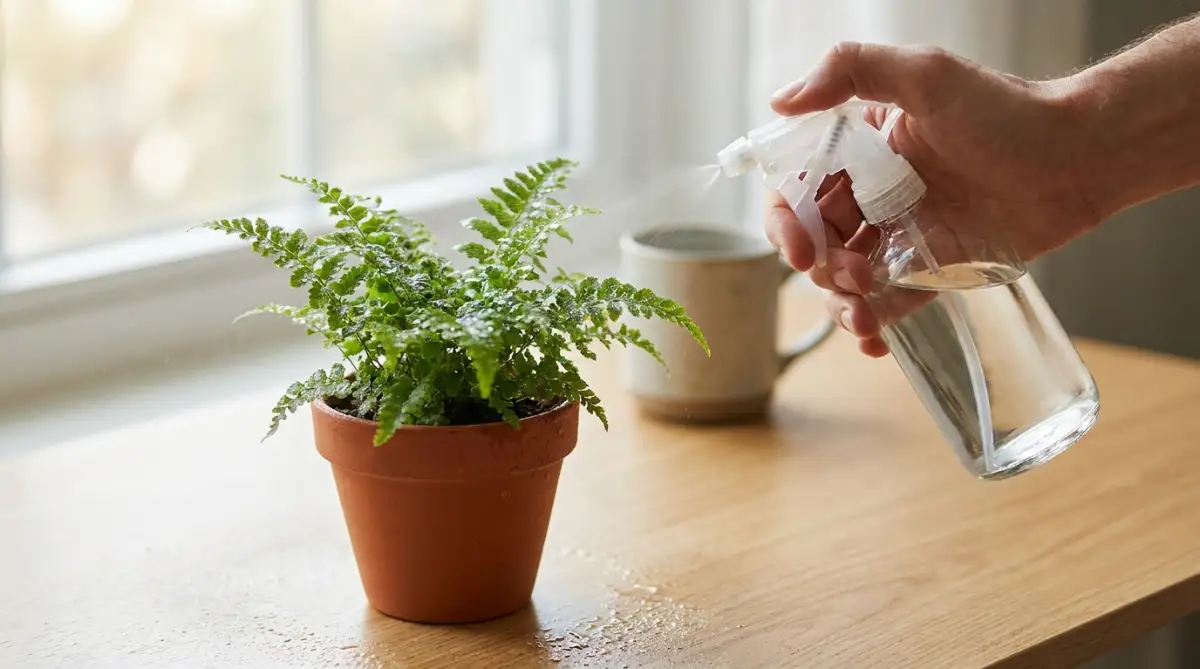
But if you use a gentle spray bottle and slowly mist the plant over several hours, the soil perfectly absorbs every single drop. Your highly sensitive nervous system reacts to stimulants in the exact same way. Small, steady drops create healthy, sustained energy.
The Massive Benefits of Steady Stream Energy
When you successfully switch to a micro-dosing routine, the changes to your daily mood are almost instantaneous. The very first thing people notice is the complete disappearance of the physical jitters. Because your heart rate is not suddenly spiking, your hands stay perfectly steady, and that tight, anxious feeling in your chest completely melts away.
You also gain access to a much deeper, more focused level of concentration. Massive doses of coffee often make you feel so wired that you cannot actually focus on a single task. Your brain bounces around aggressively from thought to thought.
My Personal Pro Tip: I used to think I had a terrible attention span because I could never read a book for more than ten minutes without getting distracted. When I finally stopped drinking giant energy drinks and switched to sipping tiny amounts of green tea, my focus completely transformed. I realized my brain was not broken; my central nervous system was just heavily overstimulated.
With micro-dosing, you hit a sweet spot called "sustained alertness." You feel awake and completely present, but your mind is calm enough to actually do deep, meaningful work. It feels exactly like a smooth, quiet train ride instead of a terrifying, shaky rollercoaster.

Perhaps the most life-changing benefit is what happens when the sun finally goes down. Because you are controlling your intake and stopping early in the afternoon, your body has plenty of time to clear the chemical from your blood. You will find yourself naturally falling asleep much faster and waking up feeling genuinely rested.
Achieving steady, calm energy during your workday requires more than just managing your morning beverage. If you constantly feel wiped out by midday, try taking a quick five-minute walk outside or stepping away from screens to let your nervous system reset naturally. Small behavioral adjustments throughout the day are often far more powerful than relying entirely on stimulants.
See The Strategy In Action
If you want to see exactly how to structure a safe, effective daily schedule for small caffeine doses, watch this incredible visual breakdown.
Finding Your Perfect Starting Point
The first strict rule is to figure out your current baseline. For the next two days, honestly track exactly how much caffeine you are currently consuming. You have to look past just your morning coffee.
Quick Look: Common Caffeine Content
Check the labels on your afternoon sodas, your pre-workout powders, and even your dark chocolate snacks. Many people are shocked to discover they are accidentally consuming over four hundred milligrams of caffeine every single day.
Once you know your normal daily total, you are going to cut that exact number completely in half. If you normally drink three hundred milligrams, your new daily maximum limit is officially one hundred and fifty milligrams. This sudden drop might cause a very slight headache on the first day, but your body will quickly adjust to the healthier level.
💡 Your 3-Step Micro-Dosing Checklist
- Find your baseline: Write down every single drop of caffeine you drink for two days to see your true intake.
- Cut it in half: Stop drinking massive mugs. Divide your new, lower limit into tiny, 50mg portions.
- Switch to Green Tea: Use the natural L-theanine found in green tea to calm your nerves and smooth out your energy flow.
Choosing the Right Delivery Vehicle
Now that you know your new, lower daily limit, you have to decide exactly how you want to consume it. Drinking a tiny sip of cold, stale coffee from a giant mug every two hours is honestly pretty gross. You need a delivery method that is easy to measure and pleasant to consume.
Many beginners find massive success by switching entirely from dark roasted coffee to high-quality green tea. According to dietary metrics shared by Healthline, a standard cup of green tea naturally contains about thirty to fifty milligrams of caffeine. This is the absolute perfect, gentle micro-dose.
Green tea also contains a natural amino acid called L-theanine. This amazing compound actually works together with the caffeine to actively slow down its absorption into your blood. It acts like a natural set of brakes, ensuring you get a slow, incredibly smooth release of energy without any sudden spikes.
If you absolutely hate the taste of tea, you can easily stick with coffee, but you must change your brewing method. Instead of making a massive pot of drip coffee, try making a small batch of cold brew concentrate. You can measure out exactly one ounce of the concentrate and mix it with a large glass of water.

The key is strict measurement. You cannot just guess how much you are pouring. Buy a small, cheap measuring cup and treat your caffeine exactly like a daily vitamin supplement. Precision is what prevents the horrible afternoon crash.
Setting Hard Boundaries and Timers
The biggest trap people fall into when trying to micro-dose is simply losing track of time. Because the doses are so incredibly small, you might barely notice them at first. You might be tempted to take your fourth or fifth tiny dose late in the afternoon because you feel fine.
This is a terrible mistake. Even tiny amounts of caffeine take several hours to fully leave your system. If you take a fifty-milligram dose at five o'clock in the evening, a large percentage of it will still be floating around your brain when you try to sleep at eleven.
You must set a strict, non-negotiable cutoff time for your final dose. For most normal adults, this alarm should be set for exactly two o'clock in the afternoon. When your phone alarm goes off at two, your caffeine consumption is officially done for the entire day.
If you feel slightly sluggish at three o'clock, you have to learn how to find natural energy instead of reaching for a chemical fix. Stand up from your desk, walk outside, and let actual sunlight hit your face for five minutes. Drink a massive glass of ice-cold water.
Often, that afternoon sluggishness is not actually a lack of caffeine; it is just simple, mild dehydration. Training your body to wake itself up with movement and water builds an incredibly resilient, healthy nervous system. You take the power back from the chemical and put it squarely in your own hands.
💧 My Golden Hydration Rule:
For every tiny cup of coffee or green tea you drink, force yourself to drink one full glass of plain water. This flushes your system, prevents headaches, and naturally boosts your energy levels when the 3 PM slump hits.
Small, consistent lifestyle adjustments compound over time to create massive health benefits. For a deeper dive into building healthy daily routines that support your overall physical stamina, check out our expert breakdown on overlooked habits that quietly boost your daily focus and physical wellness.
Your Action Plan For A Crash-Free Energy Routine
Mastering your daily energy levels does not have to be a stressful or complicated experience. You no longer have to live on a wild rollercoaster of massive caffeine spikes followed by crushing afternoon exhaustion. You now possess the exact scientific strategy needed to sustain your focus naturally.
Your assignment for tomorrow morning is very simple. Take a small measuring cup, reduce your normal morning coffee amount by half, and sip it slowly through the morning. Set your alarm for 2:00 PM as your strict daily caffeine cutoff time, and watch how quickly your evening sleep quality improves.
My Personal Action Plan: I spent years letting massive cups of dark roast dictate my anxiety levels and ruin my sleep. The exact day I switched to small, measured doses of green tea and set a strict afternoon cutoff, my daily brain fog completely vanished. Stop accepting crashes as a normal part of your workday, build your micro-dosing routine today, and finally enjoy steady, calm energy!
Common Questions About Caffeine Micro-Dosing
Will micro-dosing caffeine completely eliminate my afternoon crashes?
Yes, absolutely. By distributing your caffeine intake in small, measured amounts throughout the morning, you prevent the massive, sudden spike that always leads to a severe chemical crash later in the day.
Can I micro-dose using energy drinks instead of coffee or tea?
Energy drinks usually contain massive amounts of sugar and a dangerously high concentration of stimulants all in one can, making precise micro-dosing almost impossible. It is much safer to use measured coffee concentrate, matcha, or green tea.
What is the best time to stop consuming caffeine in the afternoon?
For most healthy adults, a strict cutoff time of 2:00 PM is ideal. This gives your body roughly eight to ten hours to process and clear the stimulant before you try to fall asleep at night.
Does green tea really help prevent the jitters?
Yes! Green tea contains a natural amino acid called L-theanine, which works synergistically with caffeine to slow down its absorption, providing a smooth, calm, and jitter-free release of energy.
Disclaimer: The information provided in this article is for general educational and informational purposes only and does not constitute professional medical, nutritional, or dietary advice. Individual caffeine sensitivities, heart rates, and sleep cycles vary significantly from person to person. Always consult with a licensed physician, registered dietitian, or healthcare provider before making major changes to your daily stimulant consumption or wellness routine.