
Hiding behind automated email sequences and expensive digital ads is the easiest way to bleed cash while waiting for leads that never show up. The internet told you that cold calling is dead, but while you wait for a busy executive to click your blog post, your hungriest competitor is already on the phone with them closing the deal. In this guide, I will show you how to ditch the sleazy telemarketer image, use simple pattern interrupts to book meetings in seven seconds, and turn cold calling into your most predictable revenue engine.
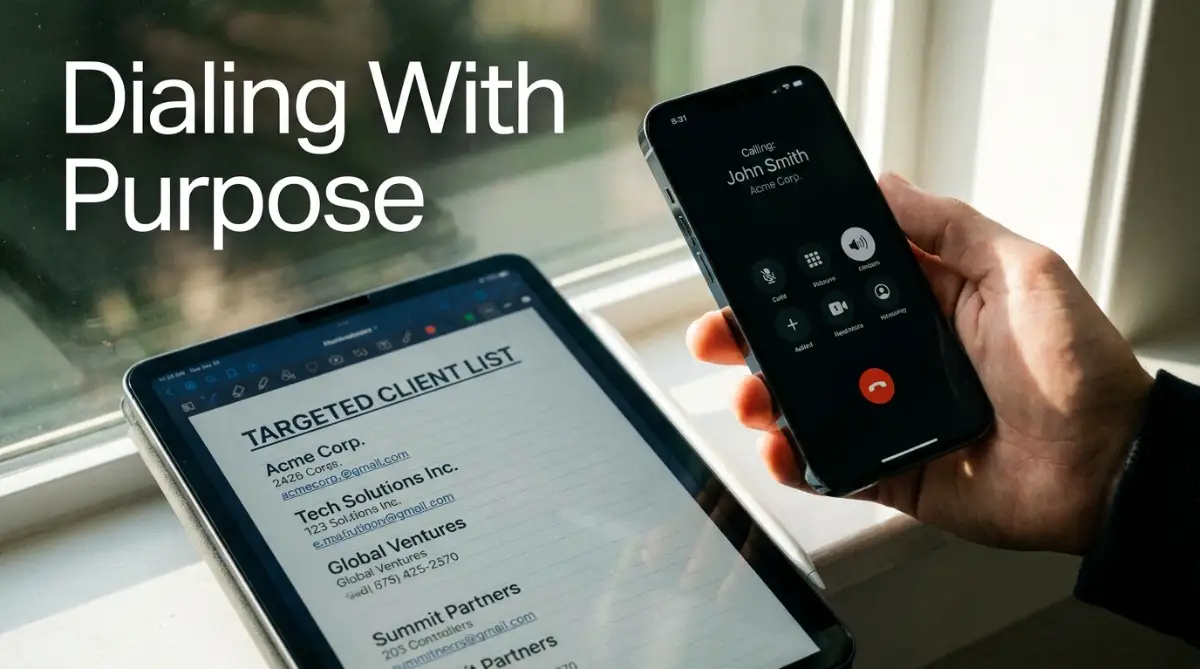
📌 What You Need to Know to Win on the Phone:
-
Cold calling is not dead, bad calling is: Live phone conversations bypass crowded email spam folders and build real human trust in seconds.
-
Break the script in 7 seconds: Skip fake pleasantries like "How are you?" and ask for thirty seconds directly so the prospect respects your time.
-
Research beats volume: Calling ten highly targeted, qualified executives yields more closed revenue than dialing two hundred random numbers blindly.
-
Treat gatekeepers as allies: Executive assistants protect the CEO’s calendar; being honest, polite, and asking for their advice turns them into your best internal champions.
Shifting Your Mindset Away from Spam
Before you dial a single number, you have to completely erase the image of the sleazy car salesman from your mind. Modern cold calling is absolutely not about tricking someone into buying something they do not need. It is about discovering a real business problem and simply asking if they are open to solving it.
When you view yourself as a problem-solver rather than an aggressive quota-crusher, the heavy anxiety instantly starts to fade away. You are essentially acting as a professional matchmaker for your own product. If the person on the other end of the line does not have the problem you solve, you simply hang up and move on.
The resistance you feel towards calling usually comes from a deep fear of annoying strangers. But think about it from the perspective of a stressed-out business executive facing a massive operational issue. If you call them at the exact right moment with a perfect solution, you are not annoying them; you are saving their day.
The Problem with Relying Solely on Inbound Marketing
Inbound marketing—like writing blog posts and running social media ads—is absolutely essential for long-term growth. However, relying on it entirely is exactly like fishing with a very small net in a massive, crowded ocean. You have to wait patiently and hope the right fish swims exactly into your path.
🎬 Sales Masterclass: The Science of Disarming Cold Prospects
If you dread picking up the phone because you hate sounding like an aggressive telemarketer, watch this practical lesson from renowned sales trainer Jeremy Miner. He breaks down why traditional hard-pitching triggers instant resistance and demonstrates how shifting your tone to genuine problem-solving gets busy executives to lower their guard:
Now that you have seen how tonality and curiosity break the ice on video, let us look at why relying solely on passive inbound leads puts your startup at serious financial risk:
When you only use inbound methods, you surrender total control of your sales pipeline to Google algorithms and ad budgets. If a search engine changes its rules overnight, your entire lead flow can completely disappear by morning. Inbound leads are fantastic when they arrive, but they are rarely consistent enough to guarantee survival in the early days.
Cold calling, on the other hand, is like grabbing a spear and hunting exactly the specific fish you want. You get to choose exactly which companies you target, which executives you speak to, and exactly when the conversation happens. This proactive approach puts the power of revenue generation directly back into your own hands.
📊 Lead Channel Reality Check: Waiting vs. Hunting
My Prospecting Rule: Never rely on a single channel. Use inbound blogs to build long-term brand credibility, but pick up the phone when you need qualified meetings on your calendar this week.
The Psychology of Immediate Human Connection
We live in an incredibly noisy digital world where the average executive receives hundreds of automated emails every single day. Their brains are naturally trained to delete any message that looks even slightly like a sales pitch. Your beautifully crafted, highly personalized email is fighting a losing battle against the simple delete button.
A live phone call completely shatters that digital barrier. When someone hears a real human voice that matches their tone and speaks to their specific industry pain points, they physically have to pay attention. You cannot "auto-delete" a live conversation that is happening in real-time.
Hearing your voice instantly builds a level of trust that written text simply cannot achieve. They can hear your empathy, your professional confidence, and your genuine curiosity about their business. You can read their tone of voice, sense their hesitations, and pivot your strategy immediately based on their actual mood.
I used to send fifty highly personalized emails a day and maybe get one polite rejection in return. The day I finally picked up the phone, I booked three qualified meetings within the first two hours. My realization was simple: hiding behind a keyboard feels safe, but stepping into the arena of live conversation actually gets you paid.
Building a Highly Targeted Call List
The biggest reason people fail at cold calling is that they just buy massive lists of random phone numbers and start dialing. If you call a restaurant owner to sell them heavy construction software, you are going to get yelled at. This untargeted, spray-and-pray method is exactly what gave cold calling a terrible reputation in the first place.
Modern phone prospecting requires intense, focused research before you ever pick up the receiver. You need to build a highly specific profile of exactly who benefits the most from your product. Are you targeting Chief Financial Officers at tech companies with fifty to one hundred employees? That is the level of specific detail you need.
Once you know exactly who you are looking for, you can use modern database tools to find their direct office lines or mobile numbers. Calling a general company switchboard and asking to speak to the boss is a massive waste of your time. You want to bypass the gatekeepers completely and land directly on the decision maker's desk.
When you only call people who logically need your product, the conversations completely change. You are no longer bothering random strangers with irrelevant offers. You are having high-level business discussions with peers who actually understand the value you bring to the table.
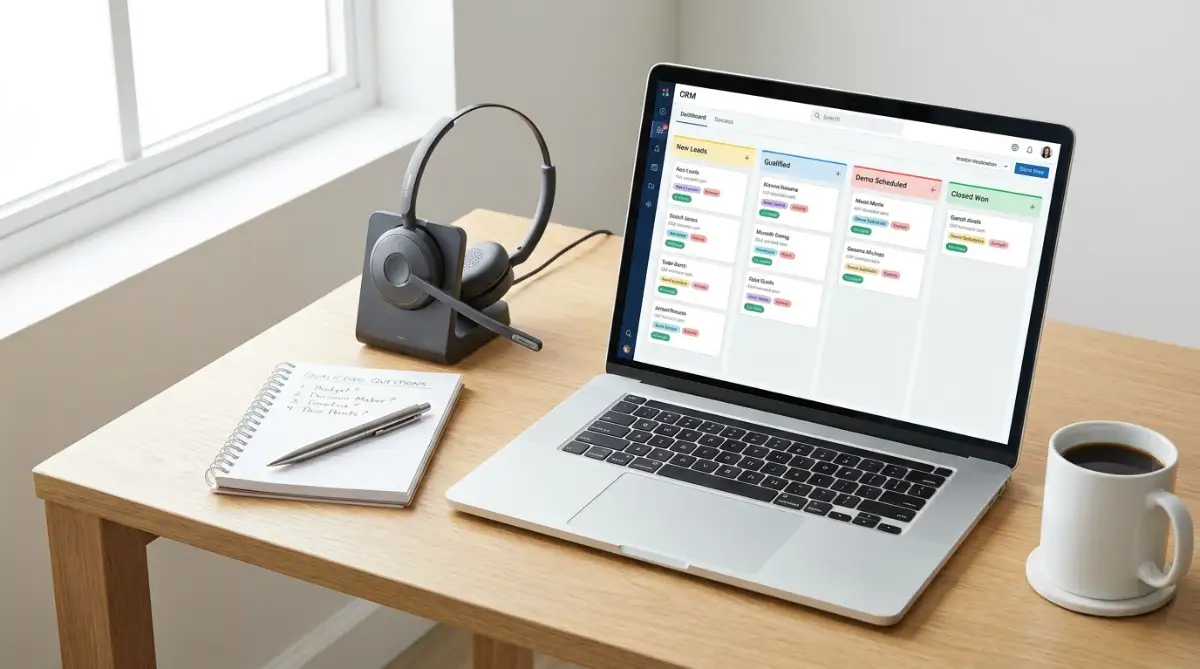
Mastering the First Seven Seconds
The human brain makes incredibly fast judgments when a stranger calls. You have approximately seven seconds to prove you are a professional peer rather than a script-reading robot. If you start the call by asking, "How are you doing today?", you instantly sound like a telemarketer, and their defenses go up.
Instead of pleasantries, you want to use a technique called a "pattern interrupt." This is a completely unexpected opening statement that breaks their normal mental script. You might say, "Hi Sarah, my name is John, and I know you were not expecting my call today. Do you have thirty seconds for me to tell you exactly why I called?"
This highly honest, direct approach completely disarms the busy executive. You are showing massive respect for their tight schedule by asking for permission to speak. When you eliminate the fake small talk, they usually appreciate the direct business approach and give you a chance to pitch.
If they say yes, you must deliver a highly focused, problem-based value statement immediately. Do not talk about your company's awards or your amazing new software features. Talk exclusively about a massive problem they are likely facing right now, and briefly mention how you solved it for someone similar.
🎯 Cold Call Openers: Amateur Clichés vs. Pro Pattern Interrupts
-
❌ The Amateur Opener: "Hi John, how are you doing today? Did I catch you at a bad time?" (Triggers instant sales defense; invites a click and hang-up).
-
🟢 The Pro Pattern Interrupt: "Hi John, my name is Alex with [Company]. I know you were not expecting my call, and I will be brief—do you have thirty seconds for me to tell you why I called, and you can tell me if it makes sense to keep talking?"
Why It Works: High-level executives respect honesty and time. By acknowledging that your call is an unexpected interruption, you sound like a busy professional peer rather than a script-reading robot.
Advanced Tactics to Keep Your Sales Pipeline Full
Once you conquer your initial fear of the phone, you need to build a system that makes calling highly efficient and repeatable. The best salespeople do not just randomly dial numbers throughout the day; they treat their phone time like a sacred, protected block on their calendar. You must aggressively defend this prospecting time from internal meetings, random coffee breaks, and endless slack messages.
If you treat cold calling like a casual side task, your results will be equally casual and disappointing. Dedicate two specific hours every morning entirely to dialing, and physically remove your smartphone from your desk to avoid distractions. This level of extreme focus is similar to avoiding dangerous morning routine mistakes that secretly destroy your daily productivity.
Another highly effective secret is leaving the absolute perfect voicemail when your prospect inevitably does not answer. Most salespeople either hang up immediately or leave a rambling, pathetic message begging for a callback. A professional leaves a crisp, ten-second voicemail stating their name, the specific business problem they solve, and a promise to send an email with more details.
Do not ask them to call you back, because busy executives absolutely will not return a cold voicemail. Instead, use the voicemail as a verbal trailer for the email you are about to send them. When they see your name in their inbox five minutes later, they will already recognize it, drastically increasing your open rate. Reviewing professional sales communication standards published by the Harvard Business Review proves exactly why multi-channel follow-ups convert at a much higher rate.
You also need to become a master at handling the word "No." When a prospect says they are not interested, amateur reps panic and immediately start arguing about product features. A true professional simply agrees with them, pauses for a second, and asks a gentle clarifying question like, "I completely understand. Is this simply bad timing, or are you already using a different solution?"
This simple, non-aggressive pushback completely disarms the prospect and often restarts the conversation. They expect you to fight them, so when you agree with them instead, their natural defenses lower instantly. Mastering this psychological pivot is just like knowing how to get unsecured loans with bad credit and actually get approved; it is all about understanding the other side's fears and addressing them calmly.

Toxic Habits That Destroy Your Phone Success
Watching a new business founder sabotage their own sales calls is a truly painful experience. It breaks my heart because I know how desperately they need the revenue to keep their dream alive. These massive failures usually happen because founders let their own ego and anxiety completely take over the conversation.
The most dangerous pitfall is talking way too much and completely dominating the airtime. When people get nervous, they naturally start rambling, word-vomiting every single feature their software has into the phone. You might think you are building massive value, but the prospect actually feels like they are being aggressively lectured by a desperate stranger.