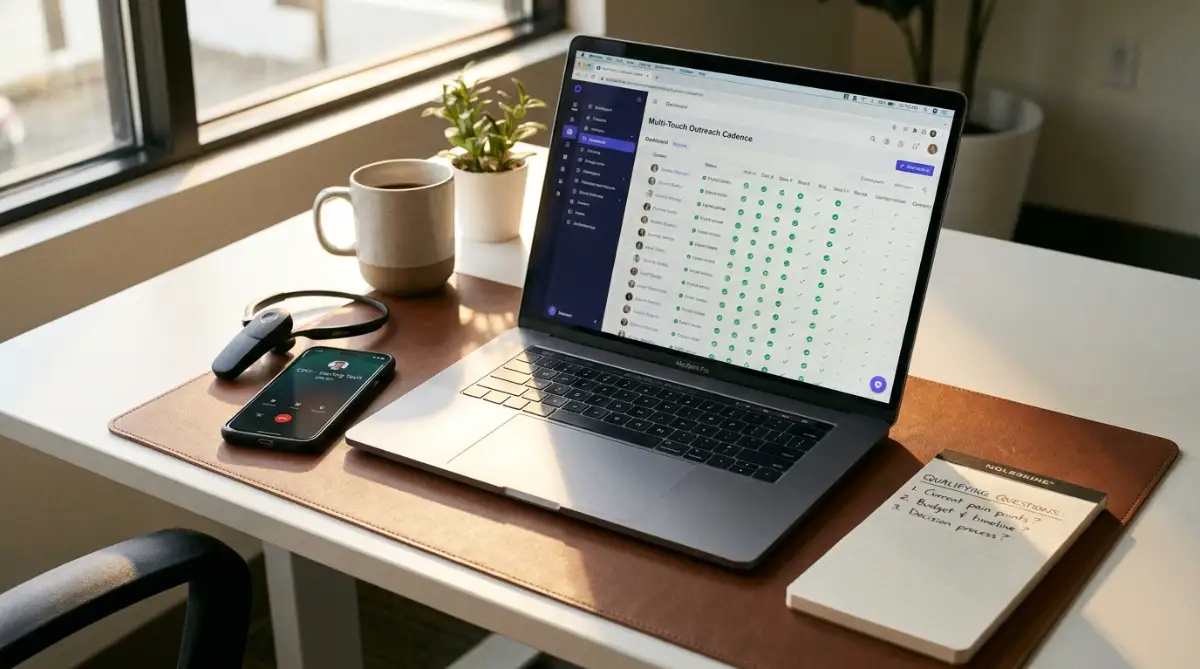
Waiting for passive inbound leads to save your business is like watching water boil—it takes forever, costs serious ad money, and leaves you completely at the mercy of algorithms. The internet loves telling founders that cold calling is dead, but while you wait for a busy director to stumble upon your blog post, your hungriest competitor is already on the phone booking a demo with them. In this guide, I will show you how to ditch the robotic telemarketer vibe, use honest pattern interrupts to win thirty seconds of attention, and build an outbound engine that fills your calendar every week.
📌 What You Must Know to Win on the Phone:
-
Cold calling is not dead, bad calling is: Live phone conversations bypass crowded email spam folders and build real human trust in seconds.
-
Diagnose before you prescribe: Treat your first touch like a doctor—ask questions about their specific industry pain points instead of pitching software features.
-
Break the script in 7 seconds: Skip fake pleasantries like "How are you today?" and ask for thirty seconds honestly to earn immediate respect.
-
Combine calls with email and LinkedIn: Cold calls convert significantly better when integrated into a multi-touch sequence where prospects already recognize your name.
Why the "Inbound Only" Dream Fails Most Startups
We need to talk about why you are stuck in this painful cycle. The truth is, the internet has become incredibly noisy. Decision-makers at B2B companies receive hundreds of automated emails and LinkedIn pitches every single day.
Their spam filters are aggressive. Their assistants delete cold emails before the CEO even sees them. When you rely solely on passive inbound methods, you are basically throwing a tiny pebble into a massive ocean and hoping someone hears the splash. It just does not work when you are trying to scale fast.
The biggest mistake founders make is treating the telephone like a bomb waiting to explode. They avoid it because they are scared of rejection. They hide behind keyboards, hoping a clever email template will do the hard work for them.
But hiding behind a screen removes the one thing B2B sales desperately needs: human connection.
📊 B2B Channel Reality Check: Time, Cost, and Lead Speed
My Prospecting Rule: Do not ditch inbound marketing entirely, but never let it be your only lifeline. Use your blog to build brand authority, but pick up the phone when you need revenue to hit payroll this month!
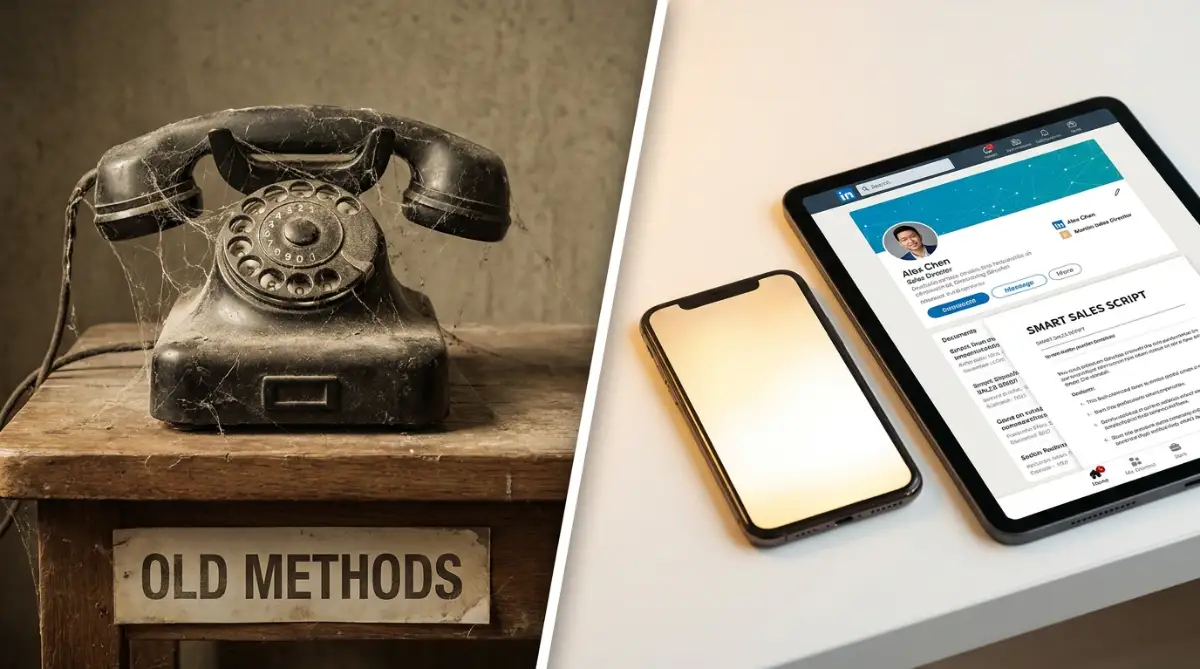
When you hear that cold calling is dead, you are listening to people who are simply doing it wrong. They are thinking of the old days, where telemarketers read robotic scripts from a dusty phone book, interrupting family dinners to sell cheap insurance.
That is not what modern B2B outreach looks like.
Today, smart prospecting is highly targeted, deeply researched, and incredibly conversational. It is about picking up the phone to have a peer-to-peer business discussion. And I can tell you from my own painful experience, the moment I stopped hiding behind my email outbox and actually picked up the phone, my entire business completely transformed.
The Modern Approach to Picking Up the Phone
Let us break down exactly how you can shift your mindset and start using the phone as your most powerful revenue-generating tool. We are going to move away from the robotic telemarketing approach and build a strategy that actually earns respect from high-level executives.
🎬 Real-World Demo: Watch a Live B2B Meeting Get Booked
If you are tired of textbook theory and want to hear what an effective outbound call sounds like in real time, watch this live demonstration from B2B sales strategist Dylan Rich. He dials real corporate prospects live on camera, showing you exactly how maintaining a calm, conversational tone turns an unexpected interruption into a booked calendar meeting:
Now that you have heard how relaxed delivery disarms busy executives on tape, let us shift your fundamental objective from pitching features to diagnosing real business pain:
Shift Your Goal from "Selling" to "Learning"
The very first thing you need to change is your intention when the prospect answers the phone. If you launch into a breathless, 60-second pitch about your software features, they will hang up on you immediately. They do not care about your features.
Your only goal during a cold call is to figure out if they actually have a problem you can solve. You are not trying to close a deal on the first touch. You are trying to start a conversation.
Think of yourself as a doctor trying to diagnose a patient. You wouldn't prescribe medicine before asking where it hurts, right?
When the prospect answers, keep it brief and relevant. Mention a specific challenge that companies in their industry are facing right now. Ask a smart, open-ended question that forces them to think about their current processes. If you can get them to admit they are struggling with a specific issue, you have earned the right to suggest a longer meeting.
Do Your Homework Before You Dial
The days of making 100 random dials an hour are completely over. Quality absolutely beats quantity in modern B2B outreach.
Before you even think about calling a CEO or a VP of Sales, you need to spend three minutes researching them. Look at their company's recent news. Did they just secure funding? Did they hire a new executive team? Check their personal LinkedIn profile. What topics are they posting about?
Use this information to craft a highly personalized opening line.
Instead of saying, "Hi, I want to sell you my marketing service," you should say, "Hi Sarah, I saw your company just opened a new branch in Texas. Most expanding teams struggle to keep their local marketing consistent. Is that something you are actively trying to figure out right now?"
That level of personalization proves you are not a robot reading a list. It shows you have done your homework, which instantly earns you a baseline level of respect.
Master the Art of the "Permission Pattern Interrupt"
Decision-makers are incredibly busy. When they answer an unknown number, their guard is immediately up. They are waiting for you to sound like a typical salesperson so they can politely end the call.
You have to break this expected pattern immediately.
One of the most effective ways to do this is by asking for permission to speak, but doing it in a slightly unconventional way.
I used to start my calls by aggressively rushing through my introduction. I sounded nervous, and the prospects could hear the desperation in my voice. They hung up on me constantly.
Then I changed my approach.
Now, when they answer, I say something like, "Hi David, it's Arif. I know I am catching you completely out of the blue right now. Do you have 30 seconds for me to tell you why I called, and then you can decide if we should hang up?"
Pro Tip: I resisted using this exact opening for months because I thought it sounded too submissive. But the very first day I tried it, three different CEOs actually laughed and said, "Sure, you have 30 seconds, go." Giving them the power to hang up actually makes them want to listen to you.
It works because it is honest. You are acknowledging that you are interrupting their day. You are respecting their time, and you are giving them an easy out. Surprisingly, this level of transparency disarms them, and they usually give you the floor.
Embrace the Rejection as Data
You are going to hear the word "no." You are going to hear it a lot. You have to understand that a rejection is not a personal attack on you or your business.
In B2B sales, "no" usually just means "not right now" or "you haven't hit my specific pain point yet."
Instead of getting discouraged, treat every rejection as a data point. Why did they say no? Did they mention they are locked into a contract with a competitor? Great, now you know who your competitor is. Note when their contract expires and call them back three months before that date.
Did they say they don't have the budget? That might mean you didn't clearly communicate the return on investment.
Every single call, even the bad ones, makes you sharper. It helps you refine your messaging. You learn what words trigger interest and what phrases cause people to shut down.
🛡️ The Reflex Objection Playbook: What to Say When They Push Back
Most initial rejections are just automatic defense habits. Here is how to handle the two most common brush-offs without arguing:
- "I'm too busy right now:" Reply: "I completely understand, and I did not expect you to drop everything for me today. When would be a better 3-minute window later this week for me to catch you?"
- "We already have a vendor for this:" Reply: "That makes total sense. Most of our happiest clients already had a vendor when we first spoke. We never ask people to switch upfront; we simply act as an emergency backup. Would you be open to an introductory 10-minute overview so you have options if your current provider slips up?"
Build a Multi-Channel Cadence
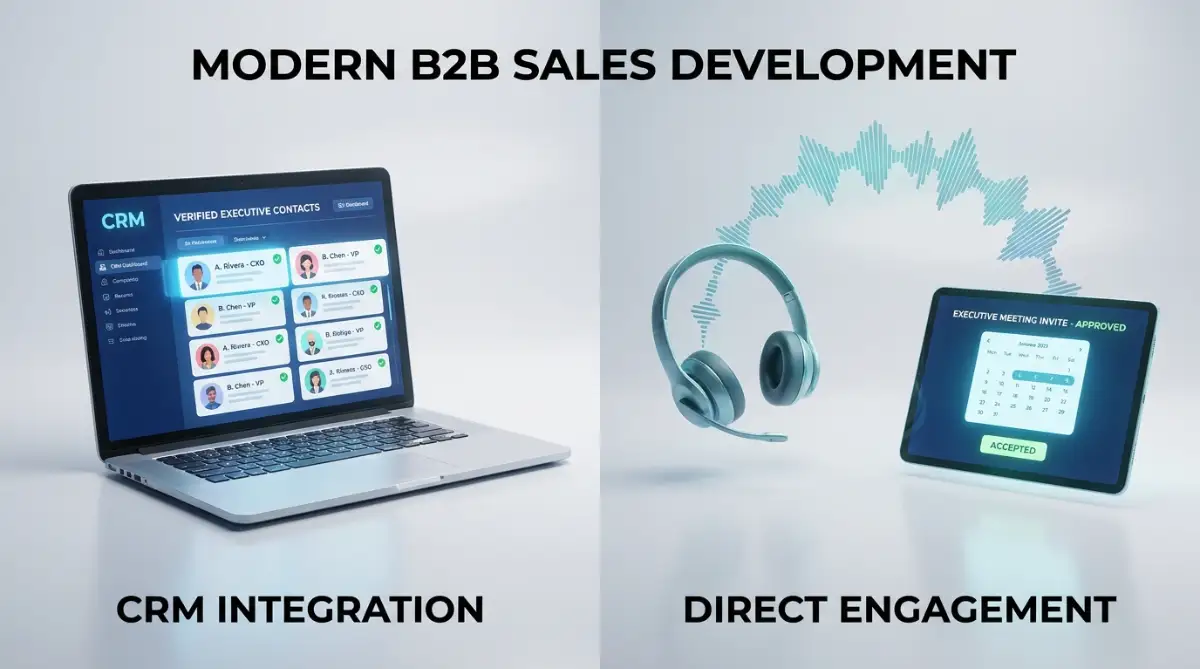
Cold calling should never exist in a vacuum. It is most effective when it is part of a broader, multi-channel approach.
If you call someone and leave a voicemail, follow it up immediately with a brief email referencing the voicemail. Send them a connection request on LinkedIn the next day.
When a prospect sees your name in their inbox, on their caller ID, and in their social media feed, you stop being a stranger. You become a familiar presence.
By the time you get them on the phone on the fourth or fifth attempt, the call is no longer "cold." They know who you are, and they are much more likely to have a real conversation with you.