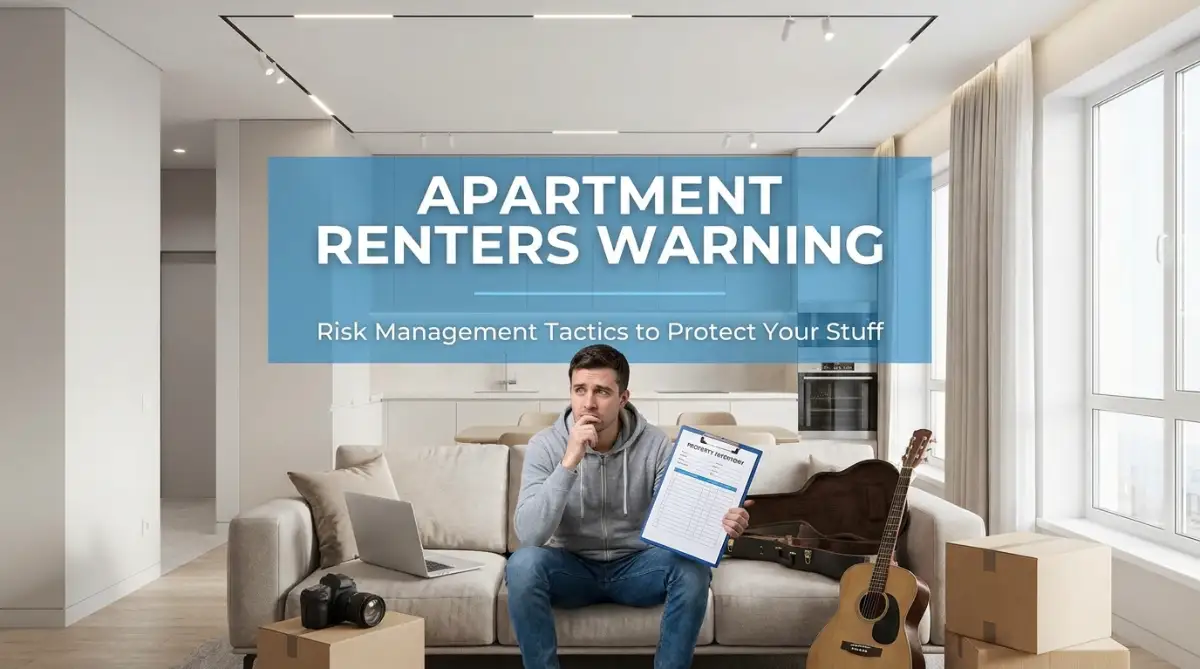
📌 What Every Renter Must Know About Protecting Their Home:
-
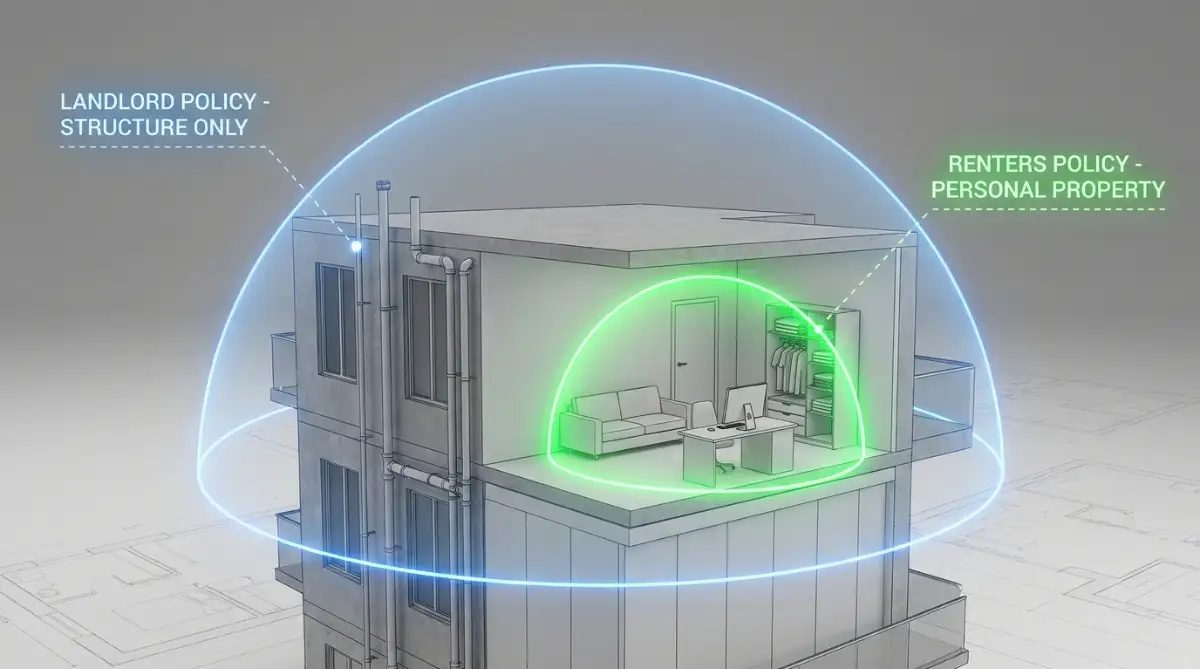
Landlord insurance covers zero personal items: Building policies only fix walls and pipes; your electronics, clothes, and furniture are entirely on you.
-
Always pick Replacement Cost Value: Avoid "Actual Cash Value" policies that deduct heavy depreciation, leaving you with pennies for your destroyed belongings.
-
Film a 10-minute video inventory: Record an unedited walkthrough showing serial numbers and closet contents, then back it up to cloud storage immediately.
-
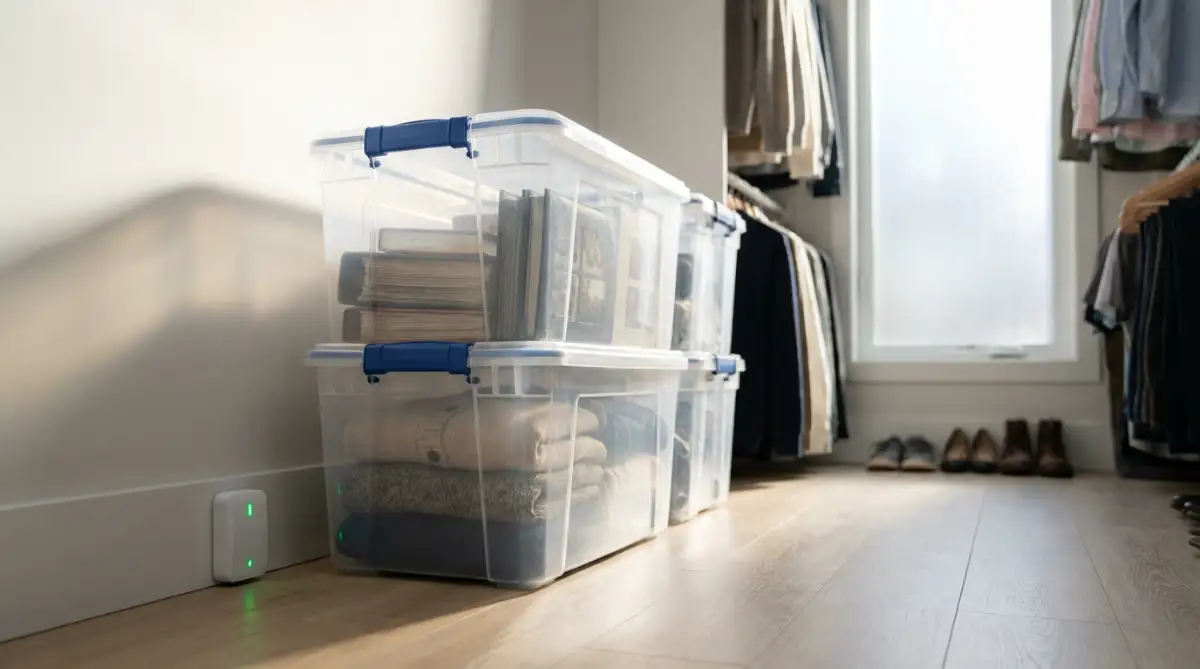
Ditch cardboard boxes on the floor: Store sentimental items in heavy-duty plastic bins to protect them from burst pipes and water heater leaks next door.
Building Your Personal Protection Fortress
When most people hear the phrase "risk management," they instantly think of massive corporate boardrooms and Wall Street bankers in expensive suits. However, risk management simply means recognizing bad things can happen and making a smart, proactive plan to minimize the financial bleeding. You need to treat your rental apartment exactly like a small business, and your personal belongings are your valuable inventory.
You cannot prevent a heavy rainstorm from flooding the basement, but you can absolutely prevent that water from destroying your childhood photo albums. By making a few tiny changes to your daily habits and purchasing a few inexpensive tools, you completely change your level of vulnerability. Let us start with the absolute most powerful financial shield you can possibly acquire as a tenant.
The Ultimate Value of a Renters Insurance Policy
I completely understand why most young renters ignore the idea of buying a specialized insurance policy. You are already paying a massive amount of money for monthly rent, utilities, and internet access; adding another bill sounds totally exhausting. But refusing to buy renters insurance is arguably the absolute worst financial mistake you can make while leasing a property.
Your landlord's expensive insurance policy only protects the physical drywall, the wooden floors, and the copper pipes hiding inside the walls. If an electrical fire burns the entire apartment building straight to the ground, the landlord gets a massive check to rebuild the structure. You, on the other hand, get absolutely nothing to replace your burnt clothing, your melted television, or your destroyed bed.
🏢 The Coverage Divide: Who Pays for the Damage?
My Rule of Thumb: Never trust a building manager who casually says, "Don't worry, the building is fully insured." Their insurance protects the landlord's investment, not a single pair of your shoes.
Renters insurance steps in specifically to cover everything that you physically carried through the front door on moving day. If someone breaks a window and steals your expensive camera gear, a good policy will literally hand you the cash to buy new replacements. The most shocking part is that this massive financial safety net usually costs less than fifteen dollars a month—roughly the price of two fancy cups of coffee.
🎬 Security Spotlight: Where Burglars Look First (And Where to Hide Valuables)
An insurance policy can replace a stolen laptop, but it can never replace family heirlooms or spare you the shock of a break-in. Watch this practical walkthrough from former CIA officer Jason Hanson. He exposes the common hiding spots every burglar checks within sixty seconds of entering an apartment—and shows you the smartest places to stash your cash, jewelry, and passports:
Now that you know how to physically hide your most sensitive items from intruders, let us look at the single most important clause to demand in your insurance paperwork: replacement cost coverage.
When you shop for a policy, you must specifically demand "Replacement Cost Coverage" rather than "Actual Cash Value." If your five-year-old laptop gets stolen, an actual cash value policy will only pay you the tiny amount a used, outdated laptop is worth today. Replacement cost coverage guarantees the insurance company will hand you enough money to go to the store and buy a brand-new equivalent laptop tomorrow morning.
Creating an Undeniable Digital Inventory
Having a great insurance policy is completely useless if you cannot actually prove to the insurance adjuster what you owned before the disaster. If your apartment burns down, the insurance company will demand a highly detailed list of every single item you lost before writing a check. Trying to remember exactly how many pairs of expensive shoes you owned while standing in a pile of ashes is practically impossible.
You must create a rock-solid digital inventory of your apartment today, while everything is perfectly calm and normal. Do not grab a pen and paper; a physical notebook will burn in a fire right alongside your furniture. You need a digital record that lives safely in the cloud, far away from any potential apartment disasters.
Grab your smartphone, turn on the video camera, and slowly walk through every single room in your apartment. Open all your closet doors, pull out your kitchen drawers, and physically narrate what you are pointing the camera at. Say things like, "This is my Samsung 65-inch television, purchased last year for eight hundred dollars."
Make sure you zoom in very closely on the tiny serial number stickers hiding on the back of your expensive electronics. Once you finish the video, upload it immediately to a secure cloud drive like Google Drive or Dropbox. If you ever have to file a heavy theft or fire claim, you simply email this single video link to the adjuster, completely eliminating any arguments about what you actually lost.
📱 The 10-Minute Video Inventory Checklist (Proof Adjusters Cannot Deny)
Take your phone and record this single continuous video before disaster hits:
-
1. The Slow Room Sweep: Start at the front door, walk clockwise through every room, and narrate brand names out loud.
-
2. The Serial Number Macro: Zoom in closely on the small silver manufacturer stickers on the back of TVs, monitors, and gaming consoles.
-
3. Open Every Door: Open closets and kitchen drawers; adjusters need visual proof of your wardrobe and small appliances.
-
4. Instant Cloud Sync: Immediately upload the file to Google Drive or Dropbox and email the link to yourself.
The Physical Protection of Fireproof Safes
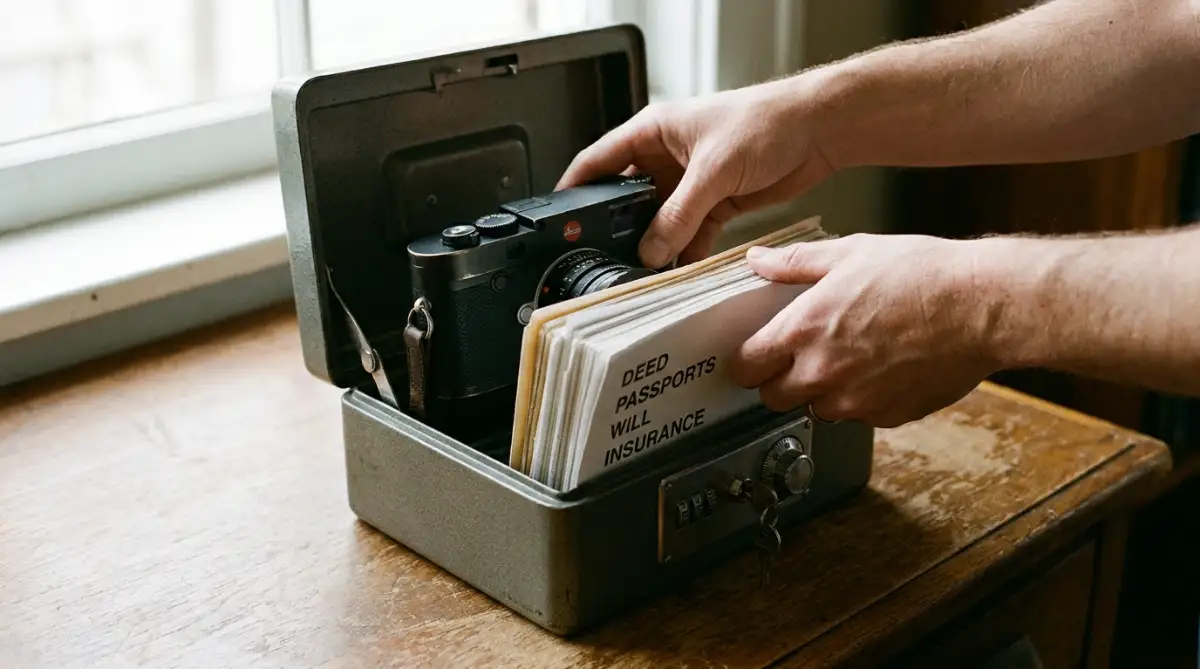
While insurance can buy you a new television, it can never replace your grandmother's vintage necklace or your original birth certificate. Every renter has a small collection of items that are highly sentimental or incredibly difficult to legally replace. You cannot trust a cheap cardboard shoebox sitting in your closet to protect these highly sensitive items from a sudden disaster.
You need to purchase a heavy-duty, highly rated fireproof and waterproof lockbox for your apartment. These small safes are specifically engineered to survive temperatures over a thousand degrees for at least thirty minutes without burning the paper inside. They also feature heavy rubber gaskets that keep the inside completely dry even if the fire department floods your room with heavy water hoses.
This safe is the exact place you should store your passport, your physical social security card, any emergency cash, and your most valuable jewelry. Because you live in a rental, you usually cannot bolt a heavy safe directly into the concrete floor like a homeowner would. To prevent a casual burglar from simply picking up the lockbox and walking away, hide it deep inside a heavy box of boring winter clothes at the very bottom of your closet.
Defending Against Silent Water Damage
We often worry about dramatic fires or aggressive burglars, but silent water leaks actually cause significantly more damage to renters every single year. A slow leak under your kitchen sink can quietly ruin thousands of dollars of electronics sitting on the floor before you even notice a puddle. Because you do not own the plumbing, you are entirely at the mercy of aging pipes and cheap landlord repairs.
Your first line of defense is completely changing how you store your valuable items inside your storage closets. You should never, ever store cardboard boxes directly on the bare floor of a rental unit, especially if you live on the bottom floor. A single ruptured water heater in the unit next door will instantly soak through the cardboard and destroy the contents.
Go to the hardware store and buy cheap, heavy-duty plastic storage bins with tight-fitting, locking lids. Plastic bins naturally elevate your items slightly off the ground and create an impenetrable barrier against creeping floodwaters. If the maintenance team has to enter your apartment to fix a massive pipe explosion, your seasonal clothes and old photographs will remain perfectly dry inside their plastic shells.
Elevating Your Personal Property Defense
Once you have your heavy physical lockbox and a basic digital video inventory, you need to upgrade your strategy to handle complex insurance loopholes. Most renters do not realize that standard insurance policies place strict monetary limits on specific categories of high-value items. If you own three thousand dollars worth of professional camera lenses, a standard policy might strictly limit electronics payouts to just one thousand dollars.
To completely bridge this dangerous gap, you need to call your insurance agent and ask to add a "scheduled personal property endorsement" to your policy. This is basically a small add-on that specifically protects individual, high-value items for their exact appraised value. Reviewing expert advice on scheduled personal property coverage from NerdWallet proves that scheduling your expensive jewelry and electronics is the only way to guarantee a full payout after a targeted burglary.
Another incredibly smart tactic is intentionally keeping your most valuable electronic chargers and original cables completely separate from the actual devices. Burglars are usually in a massive rush, trying to grab quick, highly profitable items before the police arrive. If a thief steals your expensive gaming laptop but cannot find the proprietary charging brick, the stolen laptop becomes significantly harder for them to sell online.
This simple separation technique acts as a quiet, physical barrier against casual theft, very similar to avoiding dangerous password management mistakes that leave your digital identity exposed. You want to make stealing your stuff as annoying and complicated as physically possible.
You should also become incredibly friendly and proactive with the apartment building's main maintenance supervisor. When a pipe breaks in the middle of the night, the supervisor will always respond much faster to a tenant who treats them with genuine respect all year long. Building strong local relationships is exactly like knowing how to get unsecured loans with bad credit and actually get approved; having a trusted human connection often bypasses strict bureaucratic rules.


The Tragic Mistakes That Empty Bank Accounts
Watching a hardworking tenant lose everything they own because of a simple misunderstanding is incredibly heartbreaking to witness. These massive financial losses usually happen because renters blindly trust that their modern apartment building is completely indestructible. They ignore the basic warning signs, assuming the landlord's maintenance team has everything under perfect control.
The absolute worst mistake you can make is placing a heavy trust in cheap, unverified power strips bought from a local discount store. You might plug your expensive television, gaming console, and laptop into a ten-dollar plastic strip hidden behind your desk. When a heavy winter storm causes a sudden power surge through the building, that cheap strip will instantly fry every single device attached to it.