What to Do When Someone Dies: The Step-by-Step Estate & Probate Guide
Losing a family member is heartbreaking enough, but suddenly finding yourself in charge of their estate can make you feel like you were thrown into a complex legal maze without a map. Most people assume that having a signed will avoids probate court entirely, but the reality is that closing bank accounts, paying debts, and protecting family assets requires a strict legal process. In this guide, I will show you what to do during the first seventy-two hours, how to get your official Letters of Administration from the court, and how to settle debts without risking your own money.
📌 What Every Executor Must Know Before Starting Probate:
-
A will does not avoid court: A will simply states who should inherit; a probate judge must officially validate the will and grant you legal authority through Letters Testamentary.
-
Never distribute property early: Handing out jewelry or cars before debts, court costs, and taxes are settled makes you personally liable for any financial shortfalls.
-
Open a separate estate bank account: Never mix personal funds with estate money; get an IRS Estate EIN and deposit all liquidated assets into a dedicated estate account.
-
Unsecured debts usually die with the estate: You are not personally responsible for credit card or medical bills; if the estate runs out of money, those unpaid debts are wiped out.
Making Sense of the Initial Legal Confusion
Before you can take any real action, you need to understand what this entire legal procedure actually means. Think of the court system as a very strict librarian who needs to verify every single book before it can be taken off the shelf. The judge simply wants to make sure all debts are paid and the right people get the right property.
Many people assume that having a signed will automatically skips the court system entirely. That is a very common misunderstanding that catches families off guard. A will is basically a set of written instructions, but the judge still needs to read those instructions and make them legally binding.
If you understand that the court is just a neutral referee, the paperwork starts to feel a little less intimidating. You are not on trial, and nobody is actively trying to make your life harder. The system is just built to prevent fraud and protect the final wishes of the person who passed away.
You do not need a law degree to get through the coming months. You just need patience, a good organizational system, and a clear understanding of the immediate next moves.
The Physical Search for Important Paperwork
Your very first practical move has nothing to do with judges or lawyers at all. Your job right now is to become a gentle detective inside your family member's home. You need to locate the original copies of their most important life documents.
Start by looking for the original signed will, which is usually tucked away in a safe deposit box, a home safe, or a bottom desk drawer. Do not remove staples from the original will, as courts are very suspicious of tampered documents. If you only find a photocopy, the court process becomes much more complicated.
You also need to order multiple certified copies of the death certificate from the local health department. I highly recommend ordering at least ten to fifteen copies right away. Almost every bank, insurance company, and government office will demand an official copy before they will even speak to you on the phone.
I made a huge error early on by only ordering three death certificates to save a little money. I quickly learned that waiting weeks for more copies to arrive completely stalled my ability to close accounts. Spending a few extra dollars upfront will save you hours of immense frustration later.
🛡️ The 72-Hour Estate Freeze: What You Must Do Immediately
Before you hire an attorney or step into a courtroom, lock down these four non-negotiable protections within three days:
-
1. Secure the Real Estate: Change the deadbolts on the house immediately. Do not allow well-meaning relatives to walk in and "take keepsakes" before the court inventory is filed.
-
2. Notify the Property Insurer: Call the home insurance carrier and inform them the home is vacant so they do not cancel coverage over an unmonitored pipe leak.
-
3. Stop Automatic Bank Drafts: Identify streaming services, auto-renewals, and gym memberships to stop cash from bleeding out of checking accounts.
-
4. Pause Vehicle Operation: Park all estate cars and lock up the keys. If an unauthorized relative drives the car and causes an accident, the estate faces massive legal liability.
Securing the Physical Property and Assets
While you are gathering paperwork, you also have a major responsibility to protect the physical belongings left behind. This is often an emotional task, but it is an absolute necessity to prevent theft or accidental damage. If the person lived alone, their empty house becomes a major target for trouble.
You should immediately change the locks on all exterior doors of the property. Even if you trust your family, you never know which neighbors, old friends, or former workers might still have a spare key. Locking things down protects the estate's value and prevents family arguments over missing items.
Next, you need to locate the homeowner's insurance policy and make sure the premiums are fully paid. If a pipe bursts or the roof leaks while the house is empty, you need to know the insurance company will cover the damages. Some insurance policies require you to notify them if a house sits vacant for more than thirty days.
You also need to contact the post office and forward all incoming mail to your own address. The daily mail is like a treasure map; it will show you exactly which banks they used, what subscriptions they paid for, and what debts they owed.

Taking the First Steps Inside the Courtroom
Once the property is secure and you have the original will, it is time to formally introduce yourself to the local legal system. You will need to visit the local county clerk's office to file a specific document known as a petition. This document officially asks the judge to open the estate and give you the legal authority to act.
Filing this petition usually requires paying a processing fee, which varies depending on where you live. You will hand over the original will and a death certificate, and the clerk will assign you a specific case number. From this moment on, every piece of paper you touch will have that exact case number written on it.
🎬 Financial Roadmap: CNBC’s Guide to Settling an Estate
When you are grieving, figuring out which financial accounts to freeze first can feel totally overwhelming. Watch this practical, compassionate walkthrough from CNBC Senior Personal Finance Correspondent Sharon Epperson. She outlines the immediate financial checklist you must follow after a loss to keep estate paperwork organized and protect your family’s assets:
Now that you have seen the practical roadmap on screen, let us look at what happens during the court's mandatory waiting period before your official letters are granted:
After filing, the judge does not just hand you the keys to the bank accounts immediately. There is usually a mandatory waiting period where you must notify all the heirs and beneficiaries named in the paperwork. This gives anyone who might want to challenge the document a fair chance to step forward and speak up.
In many places, you are also required to publish a small notice in the local newspaper. This public announcement tells any unknown creditors that the person has passed away and the estate is now open. It feels strange to put private family news in the paper, but it is a strict legal requirement you cannot skip.
Getting Your Official Permission Slip
If nobody objects to the will and your paperwork is filled out correctly, the judge will officially approve your petition. This is the moment you have been waiting for, because the court will hand you a document often called "Letters Testamentary" or "Letters of Administration."
Think of this document as your ultimate golden ticket. It is an official piece of paper with a court seal that proves you are the legal representative of the estate. When a bank teller asks why you want to access someone else's money, you simply slide this document across the desk.
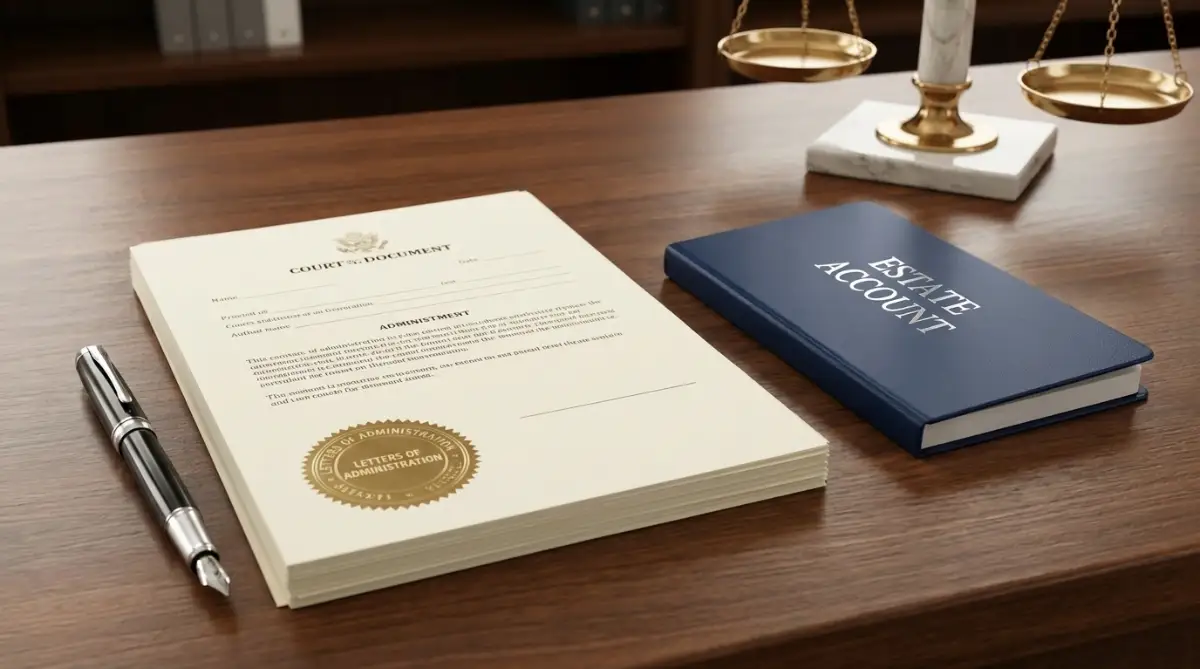
Once you have this legal backing, you must immediately go to the IRS website and request an Employer Identification Number (EIN) for the estate. Even though it is not a business, the estate becomes its own separate financial entity for tax purposes. You cannot use the deceased person's Social Security number anymore.
With the EIN and your court letters in hand, you will visit a local bank to open a brand-new checking account in the name of the estate. Every single dollar you collect from selling cars, cashing out investments, or finding loose cash goes directly into this specific account.
The Detective Work of Building an Inventory
Now that your administrative foundation is rock solid, the heavy lifting truly begins. The judge expects you to create a massive, highly detailed list of absolutely everything the person owned on the day they passed away. This list is formally known as the estate inventory.
You will need to write down the exact balance of every bank account, the value of their stock portfolios, and the estimated worth of their real estate. This is not the time to guess or estimate numbers in your head. You must collect exact bank statements that show the balance on their specific date of death.
For high-value items like jewelry, antique furniture, or classic cars, you might need to hire a professional appraiser. The court wants a fair market value for these items, not just what you personally think they are worth. Getting professional appraisals prevents family members from arguing over who gets what later on.
This inventory phase takes an incredible amount of time and patience. You will likely spend weekends digging through dusty filing cabinets and reading confusing investment summaries. Just remember to record everything clearly on a digital spreadsheet so you can print it out for the judge later.
Managing the Mounting Pile of Debts
Before a single piece of jewelry or a single dollar is handed out to your family members, the outstanding bills must be paid. This is often the most stressful part of the journey for people who are acting as the executor. You are now responsible for fielding phone calls from credit card companies and medical billing departments.
You will use the money sitting in that new estate bank account to pay off these valid debts. It is extremely important to know that you are not personally responsible for paying these debts out of your own pocket. If the estate runs out of money, the remaining debts usually just disappear.
However, there is a very strict order in which debts must be paid according to local laws. For example, funeral expenses and court fees almost always get paid before an old credit card bill. If you pay the wrong creditor first and run out of money, the court can actually hold you personally liable for the mistake.
⚖️ The Priority Ladder: Who Gets Paid First From Estate Funds?